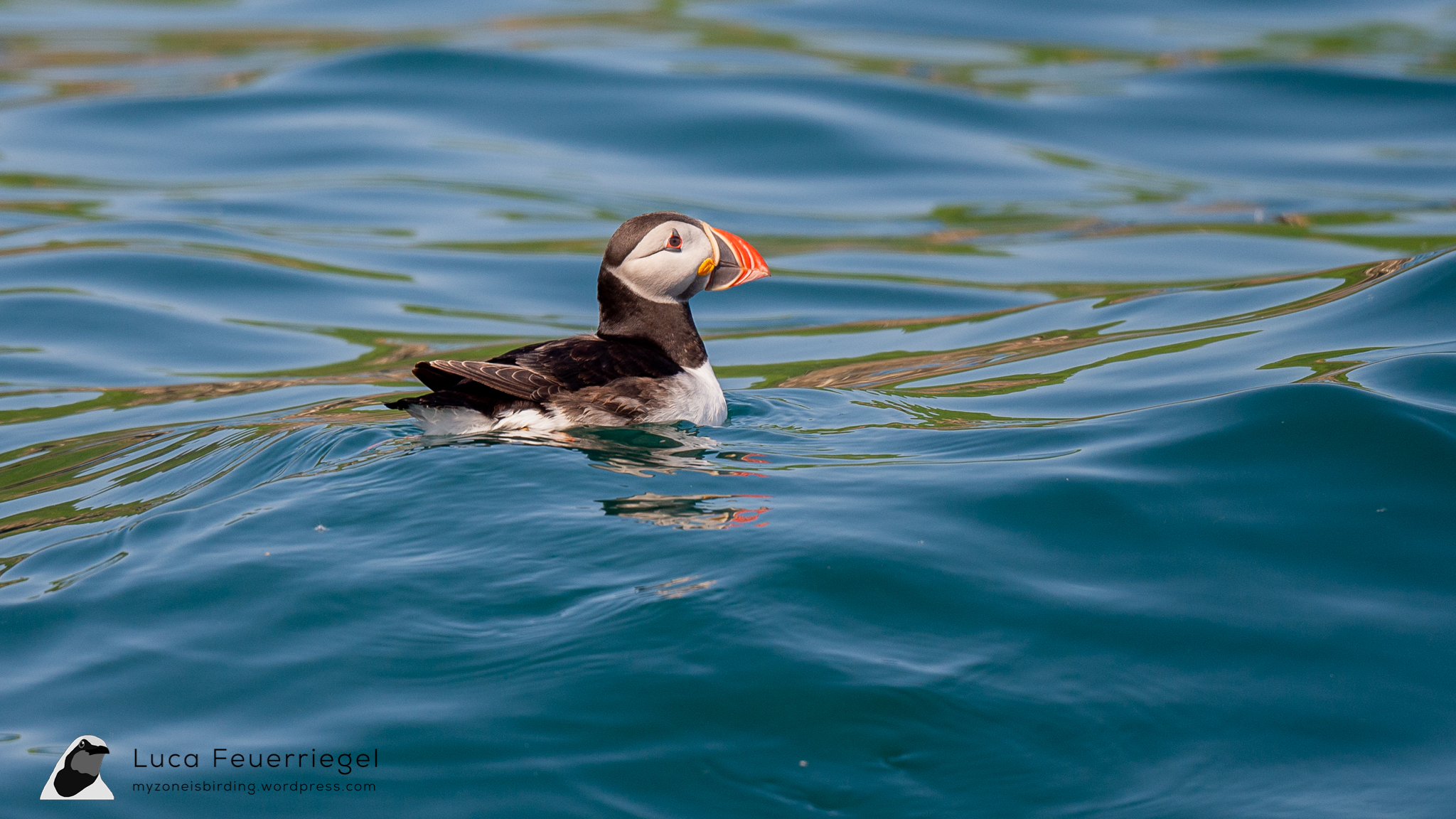

As a child, one of my favourite books was that of a young polar bear named Lars, coming across an oil-stained puffin. Rendered flightless by the black sludge, the polar bear led the puffin to warm springs whose hot water relieved the bird of its slick of crude. This plot should’ve been pretty gripping to a five year-old, but the main reason I repeatedly leafed through the book was to admire the puffin’s spectacular bill, the only part of its body not oozing in oil. Since then, the Atlantic Puffin has been a dream bird for me. When I moved to the UK last year, one of the priorities for me was to visit a puffin colony in spring. Finally finding the time with David, a friend and fellow birder in my MSc, we headed off to Pembrokeshire in May. So, on the hottest days of May ever recorded in the UK, we squeezed into a tiny AC-less hatchback that a friend had graciously lent us and battled our way to the coast.
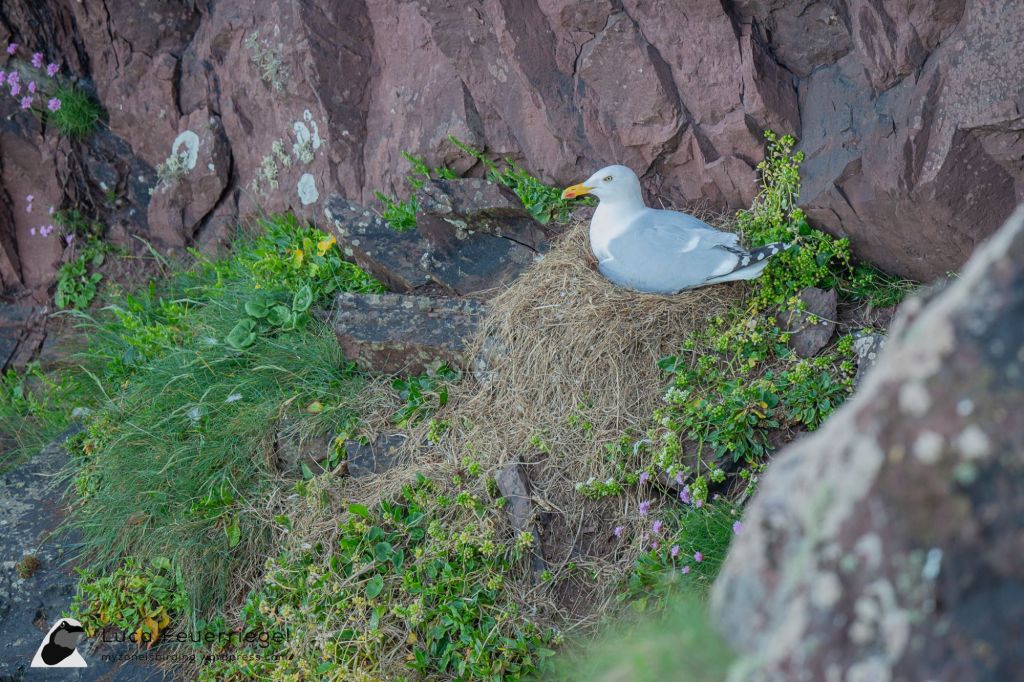
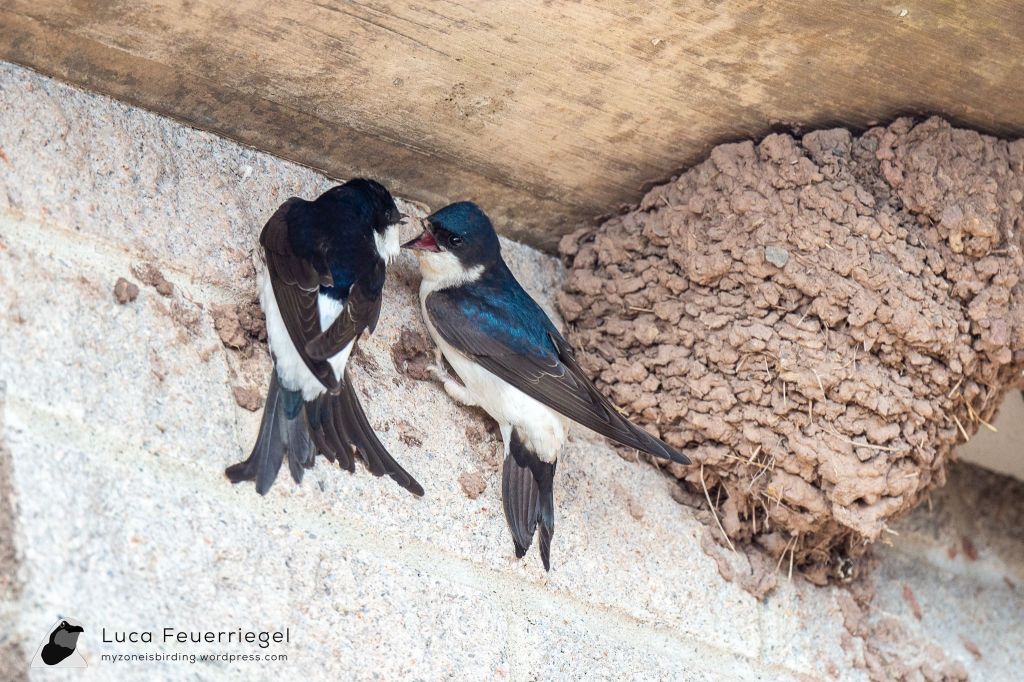
We stayed at the FSC Hostel in Dale, which was an amazing accommodation. Picture a biological field station built into a 19th-century fort overlooking the sea. The hostel was not staffed but an envelope containing information on check-in was left by the entrance door. Upon parking our car, one of the first birds we saw was a Red-billed Chough, a lifer and the other target bird for me besides the puffins. From the hostel’s parking lot, we also saw Rock Pipit, Northern Gannet, Razorbill, Eurasian Oystercatcher, and lots of Common Linnets. A European Herring Gull was nesting right below the car park, eyeing us suspiciously. A small colony of Western House-Martins nesting on the hostel buildings were entertaining to watch, while a walk along the approach road to the hostel, delivered the usual suspects like Dunnock, Eurasian Wren, Eurasian Blackbird, Eurasian Jackdaw, Common Chaffinch, and European Goldfinch.
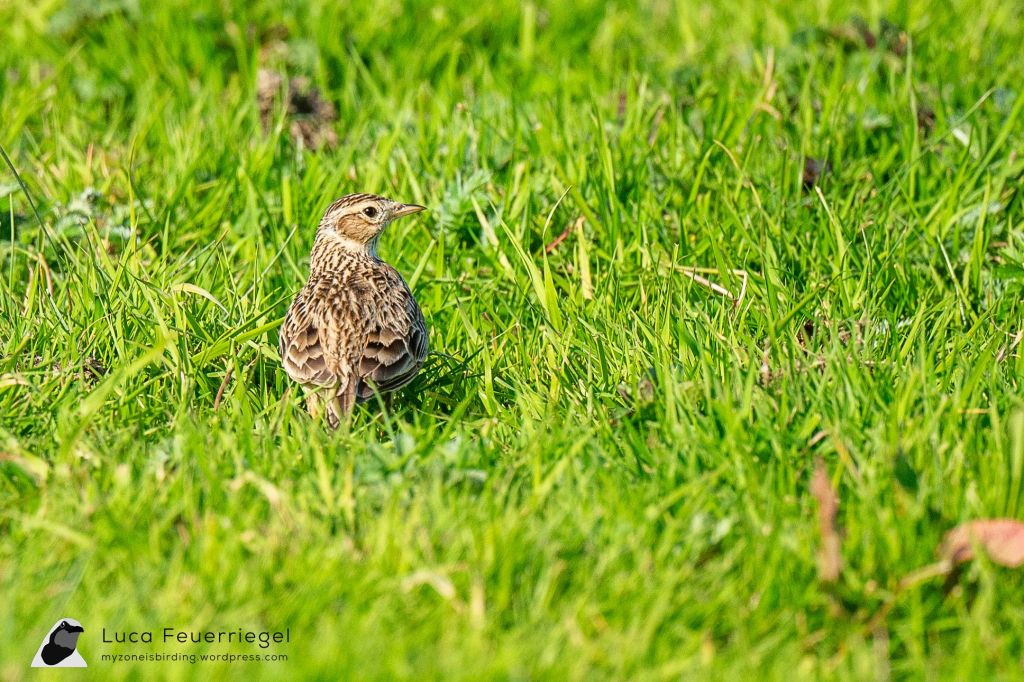
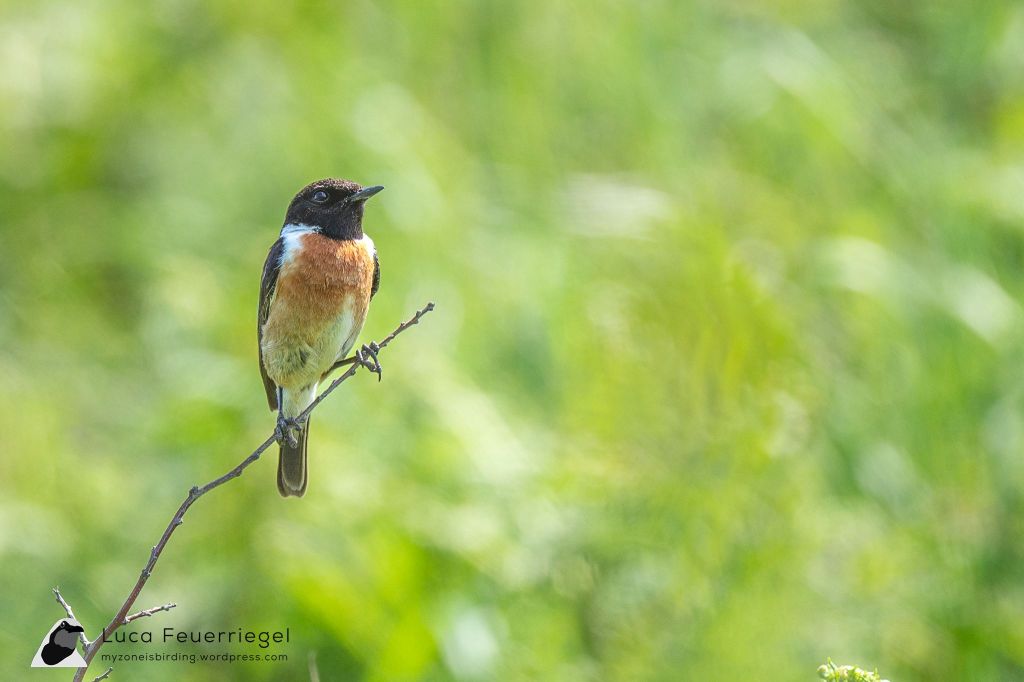
A quick stop at the Wash on the way to Skomer delivered some waders including Common Whimbrel, with the fields in the area brimming with Eurasian Skylarks. After an en-route breakfast at St Ishmael’s Garden Centre, we completed the easy check-in at the office and walked down to the boat landing, where an approachable Common Stonechat provided some distraction.
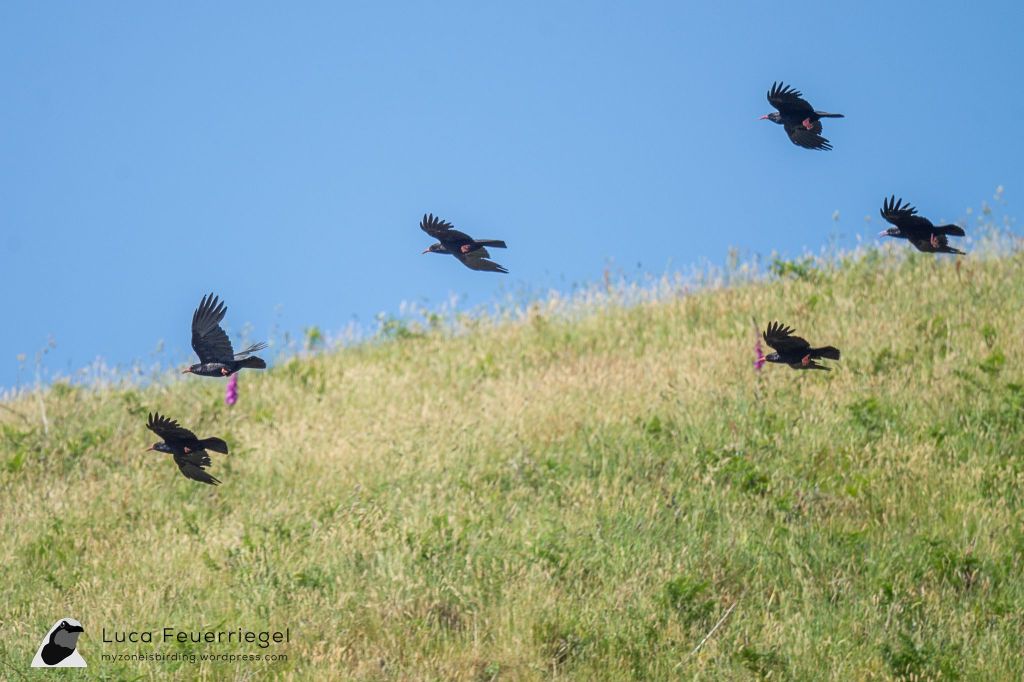
We had booked a boat trip around the island, rather than a landing. The latter get fully booked very early on and we did not possess the planning capacities to ensure we’d get this sorted on time. Retrospectively though, spending several hours on this barren island during the midday heat would’ve been exhausting – incompetence, it turns out, can be rewarding. The first birds off the boat were a flock of fifteen Red-billed Choughs, providing better views than the bird at the hostel the day before. A few Razorbills flew by before I spotted my first Atlantic Puffin, a diminutive front-heavy ball zipping low over the water with tiny wings. I knew they were small birds, having seen taxidermy specimens in museums. Still, I was shocked how small this beast was.
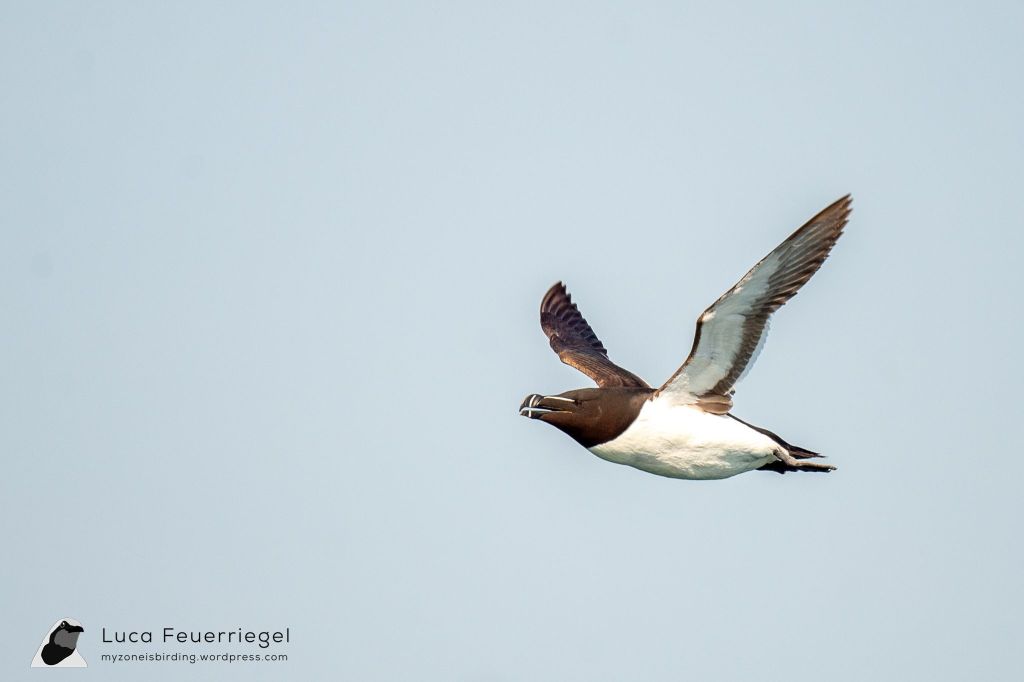
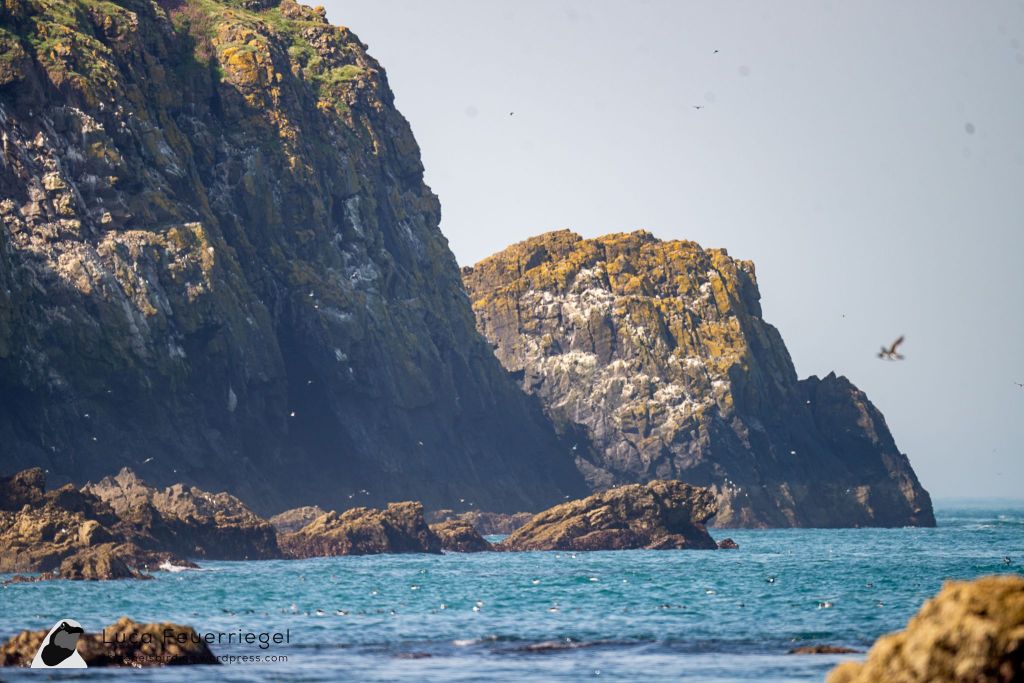
Circling the island, we were surrounded by flotillas of Atlantic Puffins, Common Guillemots, and Razorbills. At the same time, birds were flying to and fro, some puffins returning to the island from sea, their bills stuffed with sand eels – very on brand for this species. It was exciting to be surrounded by all this commotion, and photographing the birds from the moving boat was not easy. This was only the second time I’d been to a seabird colony, the first being on Heligoland, which was much less busy as most birds had already left.
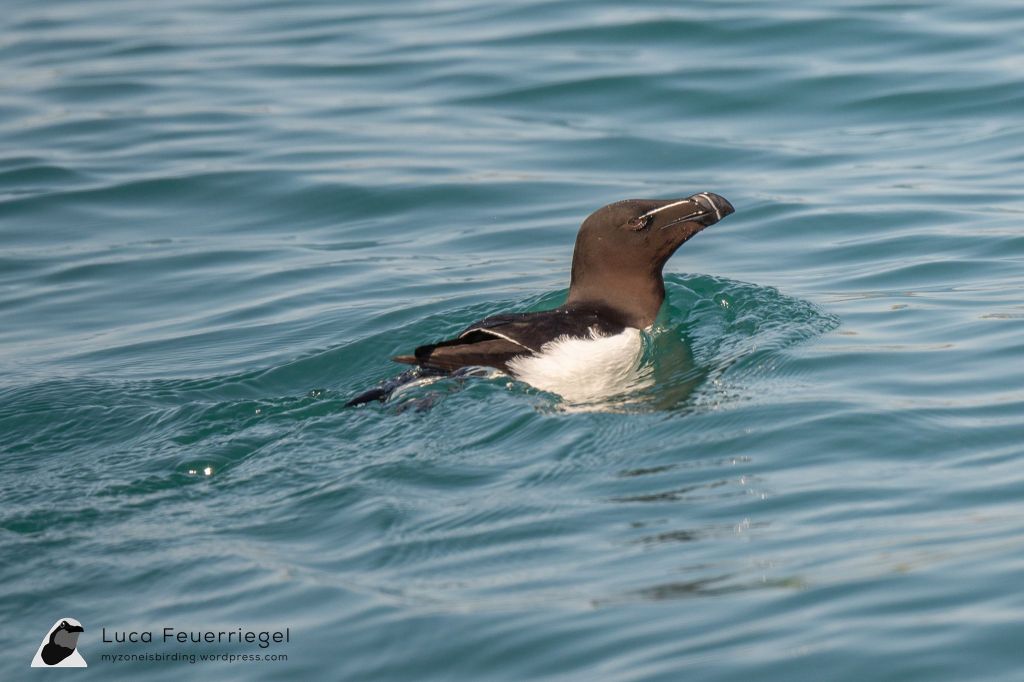
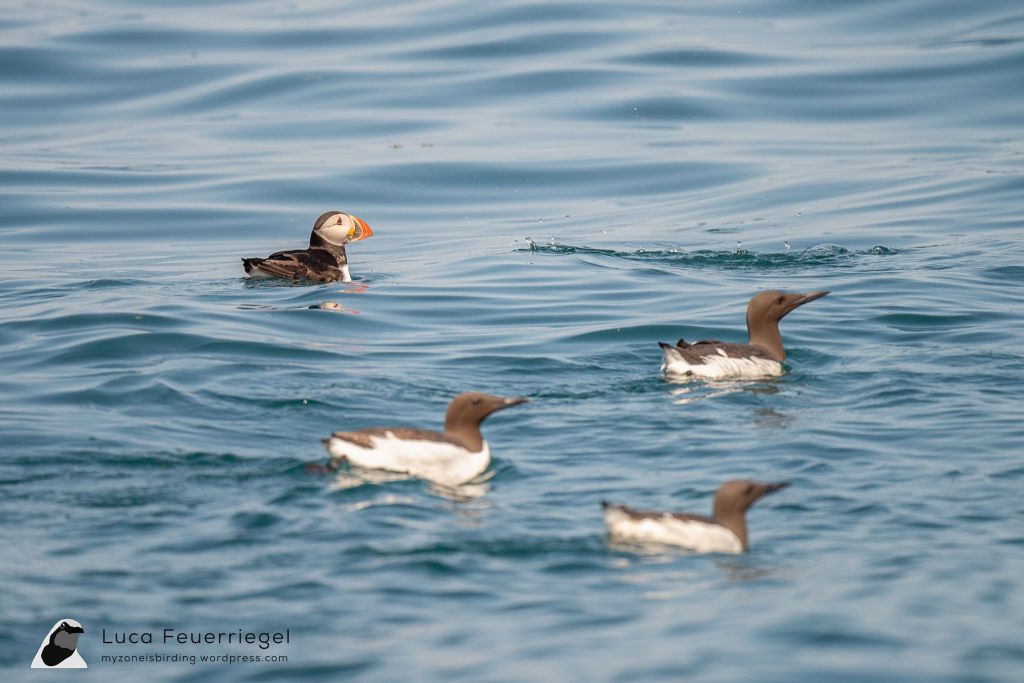
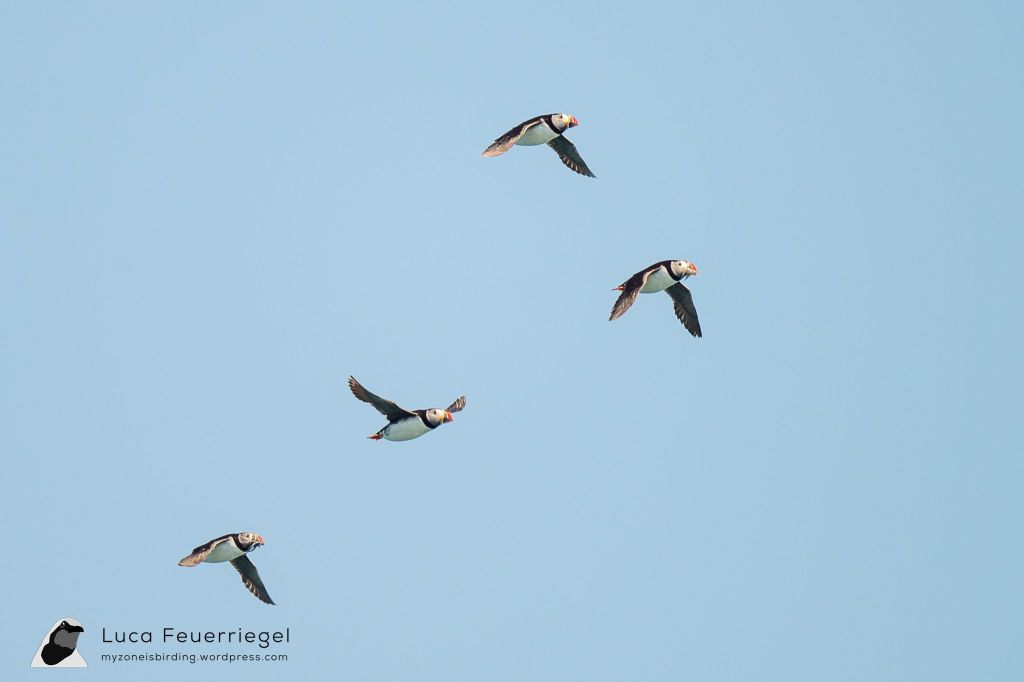
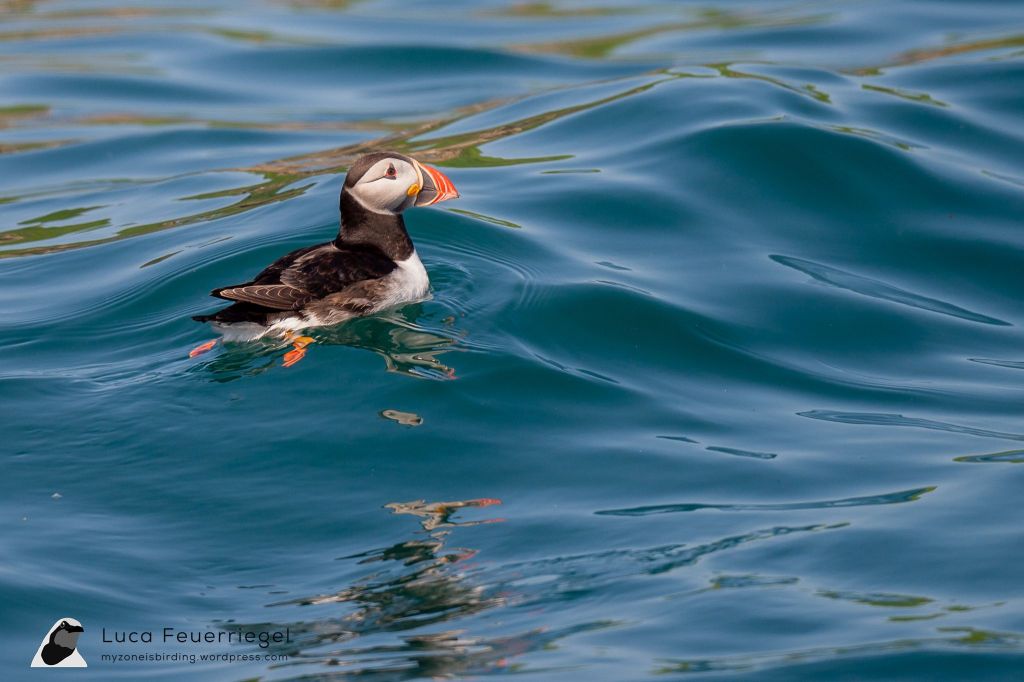
These auks were complemented by a supporting cast of Great Cormorant, European Shag, Northern Fulmar, and Black-legged Kittiwake. Birding from a moving boat with so much bird activity was vaguely reminiscent of my attempts to keep up with fast-moving bird parties in miombo woodland in Zimbabwe and Zambia, with things happening too quickly to know where to look.
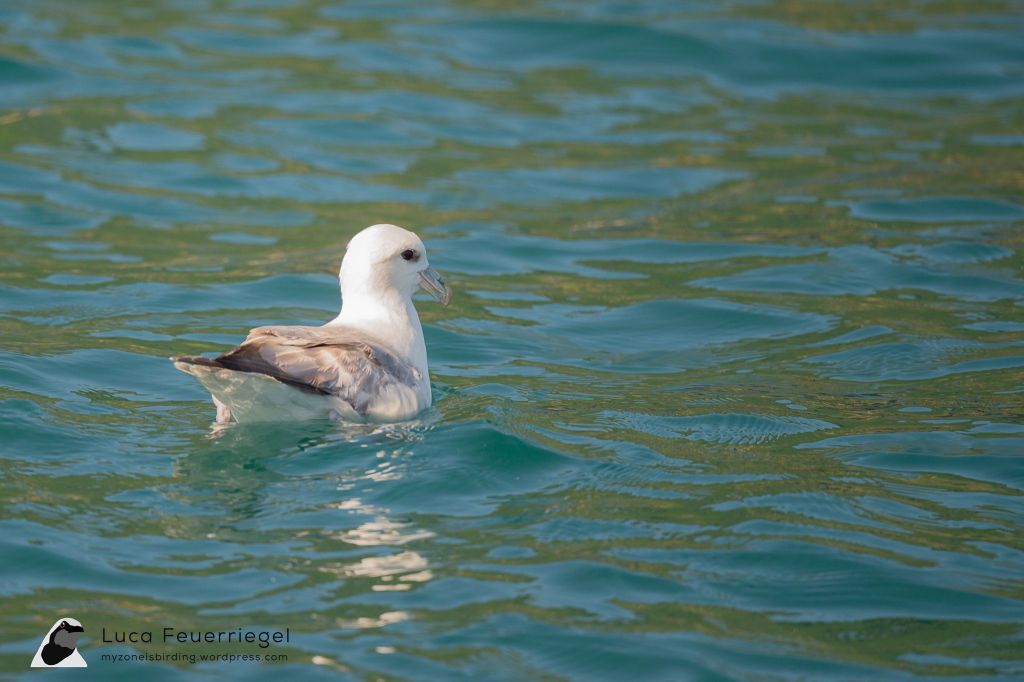
I was elated at having seen puffins. Even more relieving was the absence of any oil stains, particularly given the absence of any polar bears that could’ve solved the issue. With puffin and choughs under the belt, the list of potential lifers in the UK becomes even smaller, with the main contenders being grouse and the mythical Eurasian Bittern, which has probably become my #1 nemesis bird. Part of me is quite happy about this, and I’m already picturing the grandeur of the moment I finally see one (although it’ll likely be a grey shape in some distant mist-covered reeds, as these things usually go).
 My Zone Is Birding
Great post, Luca. I saw Atlantic Puffins off the coast of Maine in a lobster boat and I can understand your excitement about seeing them and the other cool species on this adventure. Warm regards from Sri Lanka!
LikeLiked by 1 person
Thank you! 🙂 Cool, I wasn’t aware that their distribution reaches all the way to the West Atlantic. Really hope that I can visit you in SL soon!
LikeLike
A wonderful showcase of your cold ocean birds. It is lovely seeing the Puffin, though I hear they are now a threatened species. We have White-winged Choughs here in Australia, it was nice to see the red beaked variety as I had not heard of them.
LikeLiked by 1 person
Thank you! Ditto – I wasn’t aware that choughs reach all the way to Australia! Will check on eBird which other choughs exist around the world 🙂
LikeLiked by 1 person
I can imagine the excitement of getting your first Atlantic Puffin! Glad you got it. i am hoping to see my first ones in my trip to Iceland next year 🤞
LikeLike