
I’ve been dreaming of visiting – and birding in – Kenya for many years. My father lived in the country for several years before I was born, and I grew up to many stories of his travels around the country. I was thus eager to cross the border from Tanzania on a tour that had already seen me cross Botswana, Zambia, and Tanzania. Initially intended to be a cycling tour apart from the Botswana segment (where I was on safari with a friend who lives there), I ended up using public transport for large parts of the trip because my knee had to recover for several weeks from an injury I sustained in Botswana. Sami, a friend from university, had joined me in Dar-es-Saalam, and so we found ourselves exiting the matatu together onto the dusty bus stop in the border town of Namanga in the early evening. We planned to cycle northwards through sparsely populated areas up to Lake Naivasha, then continue to Watamu, on the coast north of Mombasa, by public transport.
19. – 21.05.
Immigration at the Namanga border went very smoothly, and a young guy “supported” us with the paperwork, even though it was not at all necessary. We continued to Bissil by matatu, from where we planned to cycle the following day. As we removed the bicycles from the car’s roof, we noticed that the frame bag containing the axles for our front wheels was gone and had to have been stolen at the border while we were getting our passports stamped. A rather ugly start to a country I had been eagerly awaiting. We proceeded to Nairobi with our disassembled bicycles the following day, in want for a new plan. Here we coincidentally met two police officers who managed, in the unlikeliest turn of events, to retrieve the axles over the course of two days. We had the contact of the guy who helped us at the border, and they knew a police officer stationed there – apparently all you need to make such a deal. We weren’t told what this “deal” included (although that was clear anyways), but the priority for us was we could cycle again.
22.05.
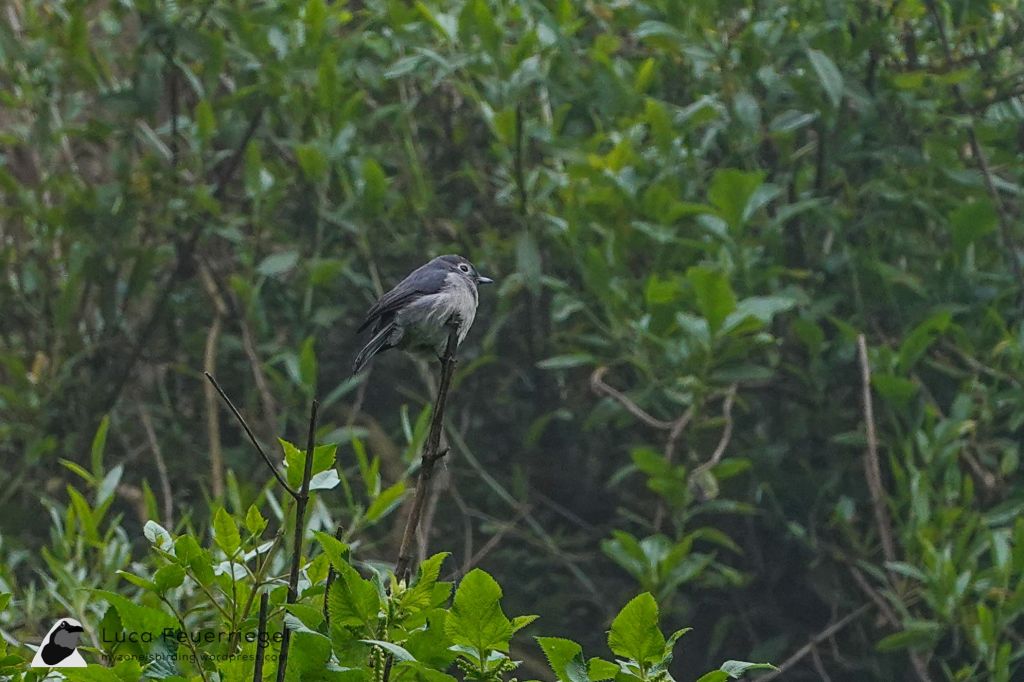
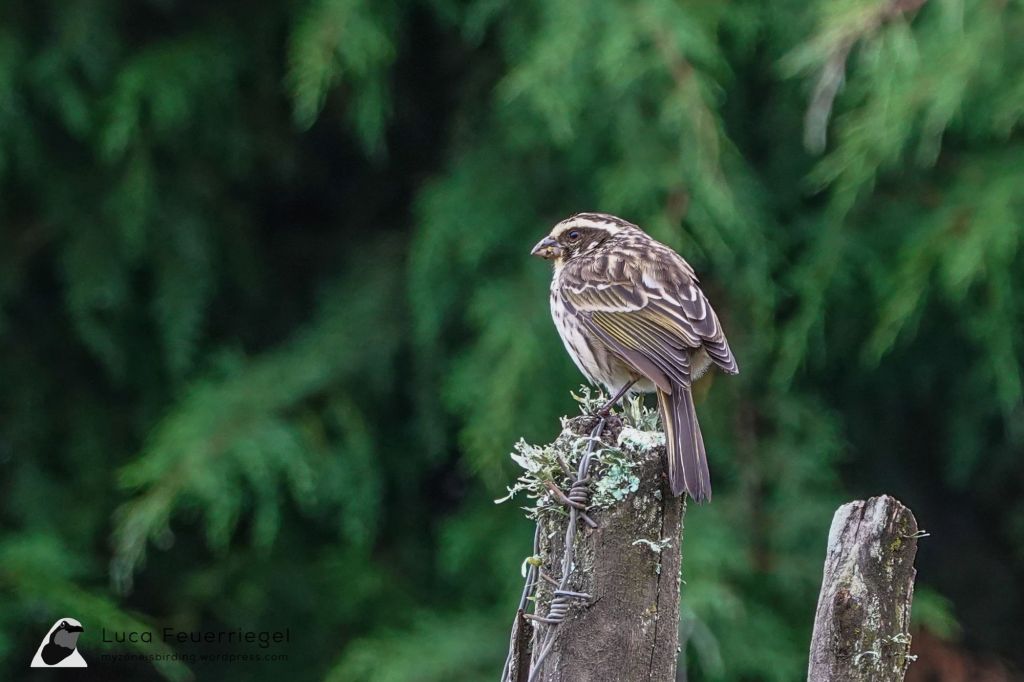
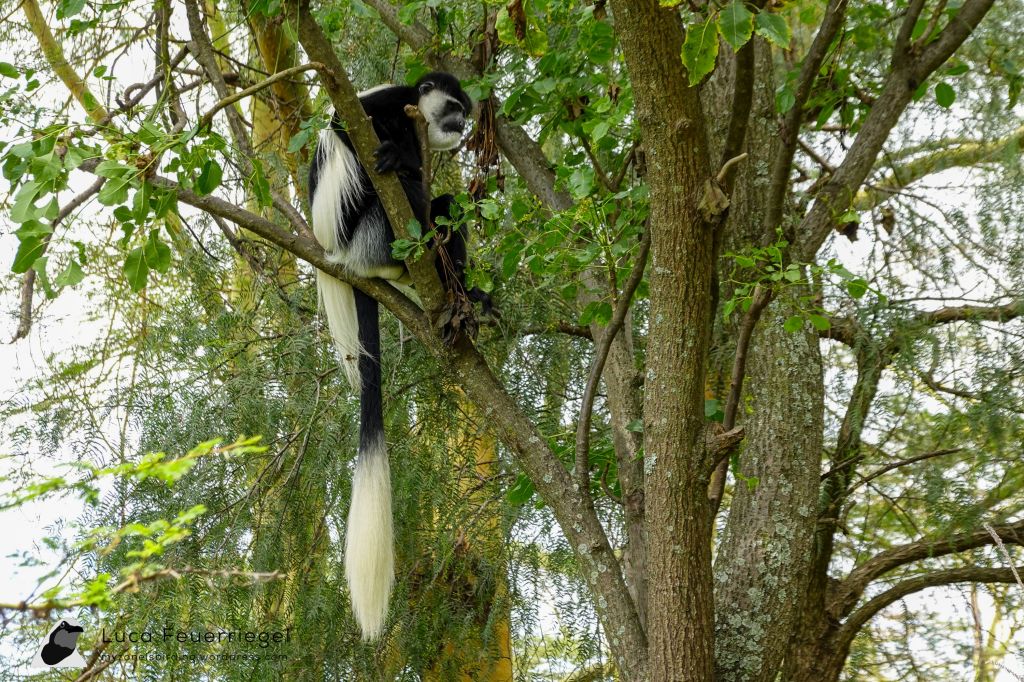
We were desperate to get out of Nairobi and headed towards Naivasha by matatu. A hard knock on the ceiling as the reliable signal brought the matatu to a stop at Kinale Stage, from where we cycled towards the Gatamaiyo Forest Reserve. The chilly air and pine plantations reminded me of some highland areas in South Africa, a vastly different feel to the rest of East Africa I had seen thus far. The agricultural areas held White-eyed Slaty-Flycatcher, Tacazze Sunbird, Yellow-bellied Waxbill, Abyssinian Thrush, Streaky Seedeater, Kenya Rufous Sparrow, Cape Robin-Chat, and Chubb’s Cisticola. Once in the forest after having proceeded far enough on the treacherously muddy track, we encountered Kikuyu White-eye, Yellow-whiskered Bulbul, Kikuyu Mountain Greenbul, Northern Double-collared Sunbird, White-headed Woodhoopoe, Rameron Pigeon, and even an Abbott’s Starling. A group of mantled guereza entertained Sami in particular, for whom seeing monkeys was one of the biggest desires of the trip.
We proceeded northwards to easily reach Mt Longonot the following day. Wild camping seemed unappealing in this area, but our search for an accommodation was lengthy until we arrived at the Bells Guest House as dusk was setting. The place was aptly-named, as this is as far as I can remember the only bell we encountered on the trip. We were surprised to find a guesthouse in this town at all, which seems to be built on the local timber industry, and even more surprised at the comfort in our room.
23.05.
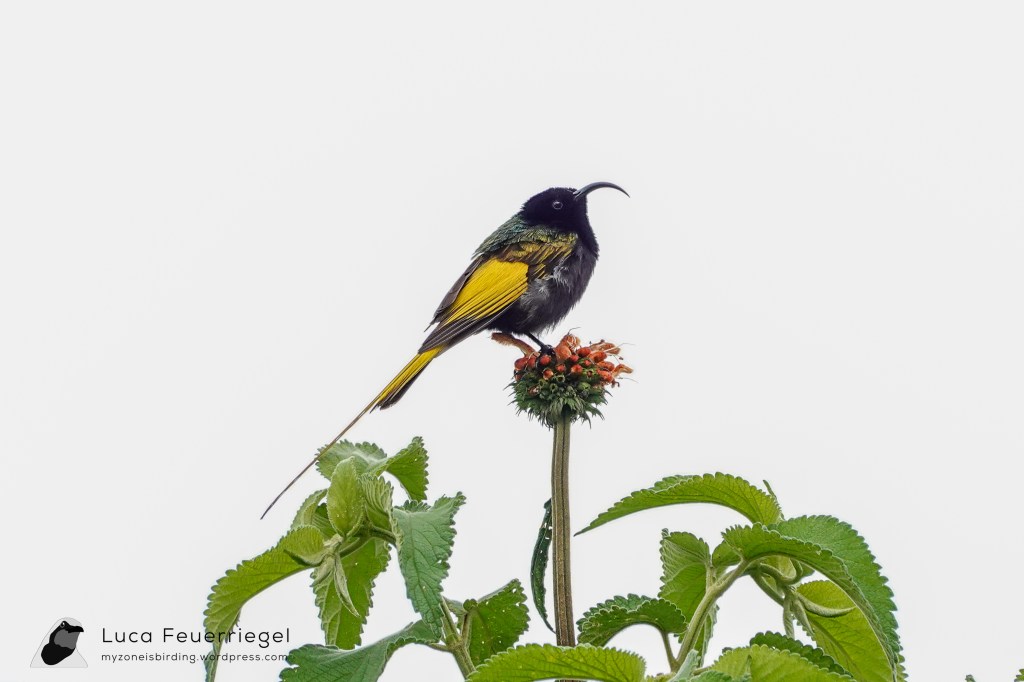
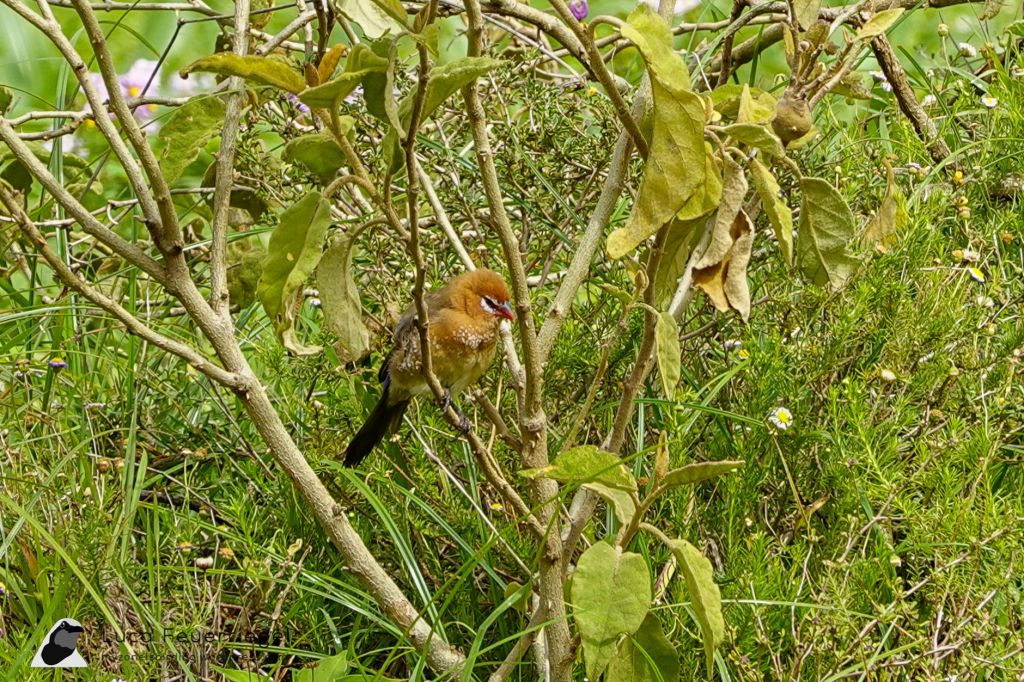
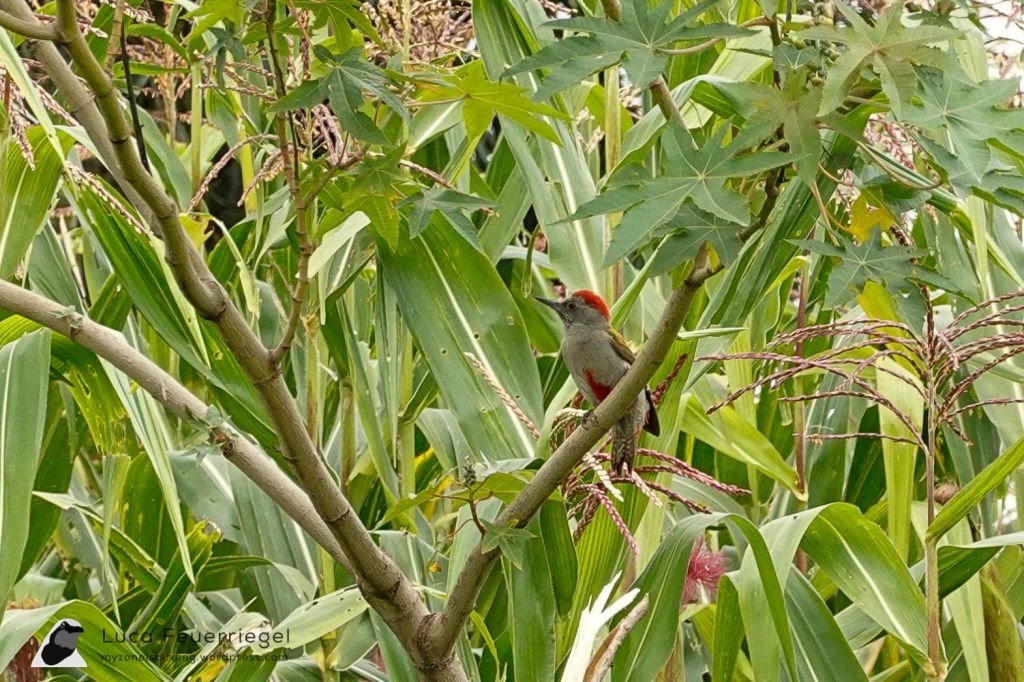
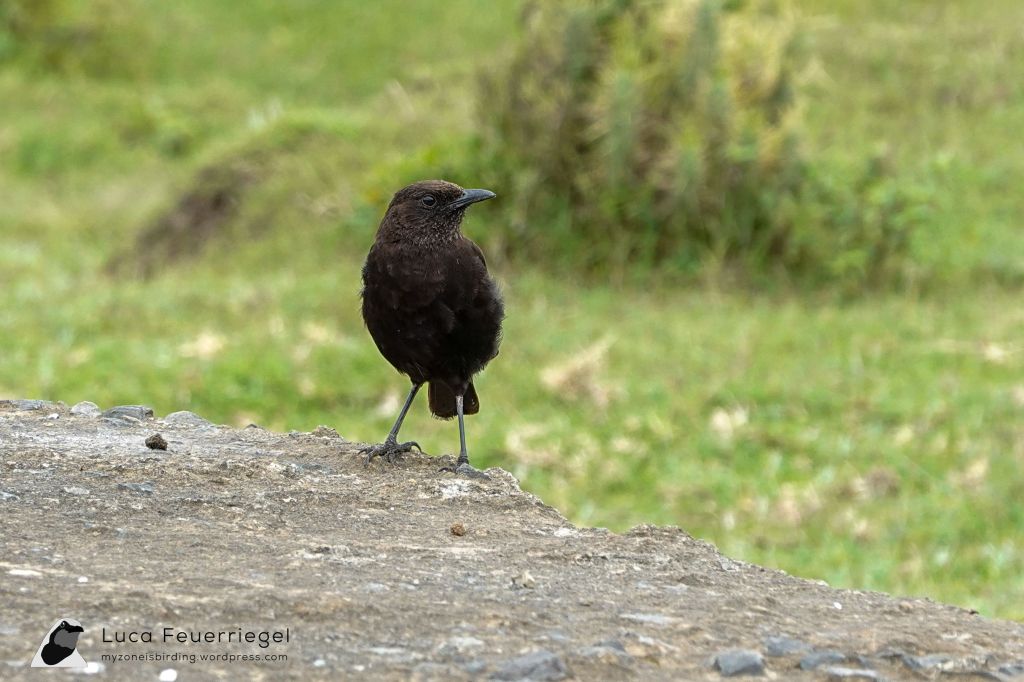
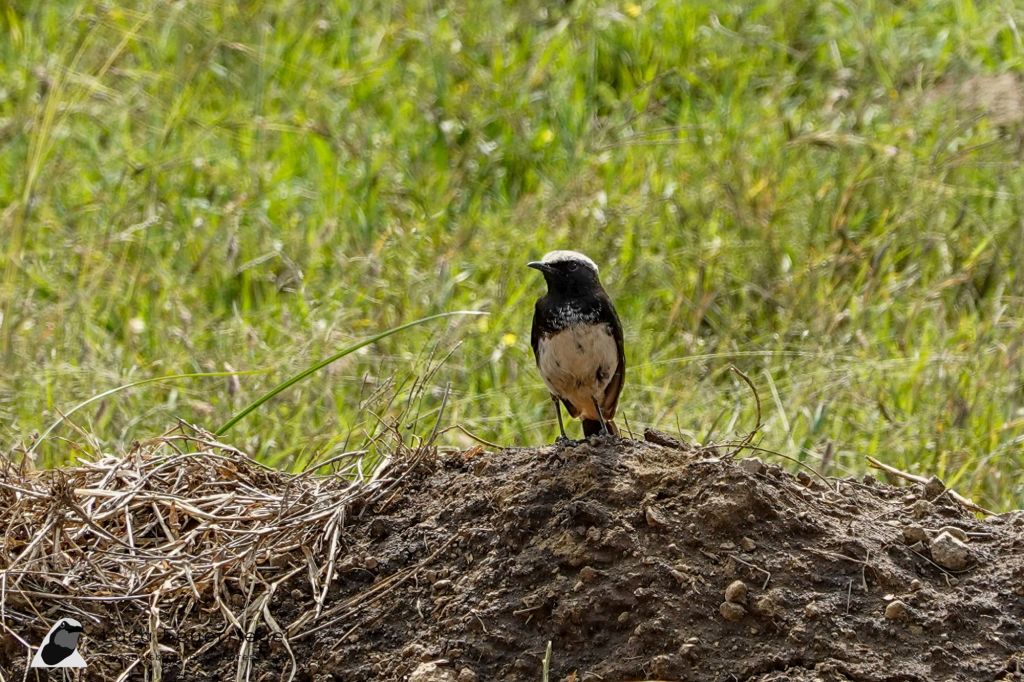
Before descending from the escarpment, I enjoyed watching some Golden-winged Sunbirds, while a Bamboo Bracken-Warbler entertained me while Sami took a dip in the small waterfall here. Approaching Mt Longonot, I recorded Red-cowled Widowbird, Purple Grenadier, Anteater Chat, Eastern Grey Woodpecker, Nubian Woodpecker and Abyssinian Wheatear. The hike up towards the crater rim was uneventful, but the views from the top were stunning (and included flyby Augur Buzzard and Peregrine Falcon). That night, being the last feasible option to wild camp, we pitched our tent in the bush, with views of the lake. Red-faced Crombec was common here. We slept without a tent and got a huge scare at night when the spotted hyena that we had heard in the distance suddenly gave its blood-curdling laugh from what seemed only meters from us – we moved into the tent, which we had pitched next to us anyway in case it would rain. This ended up being one of the most memorable moments of the trip which got us cracking up with laughter again when we met up months after the trip.
24.05.
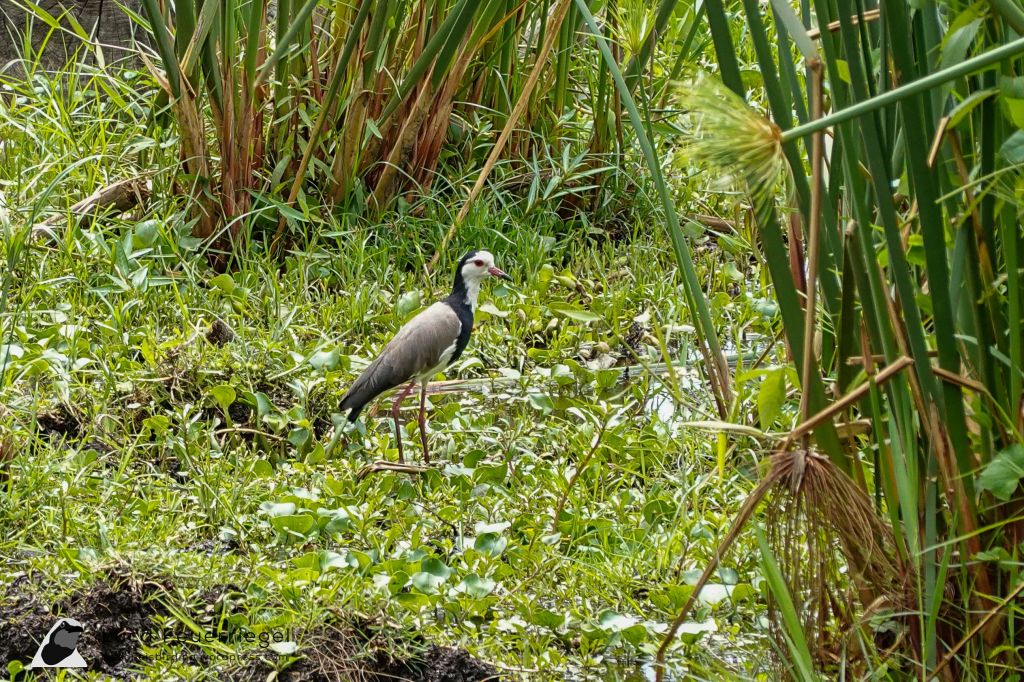
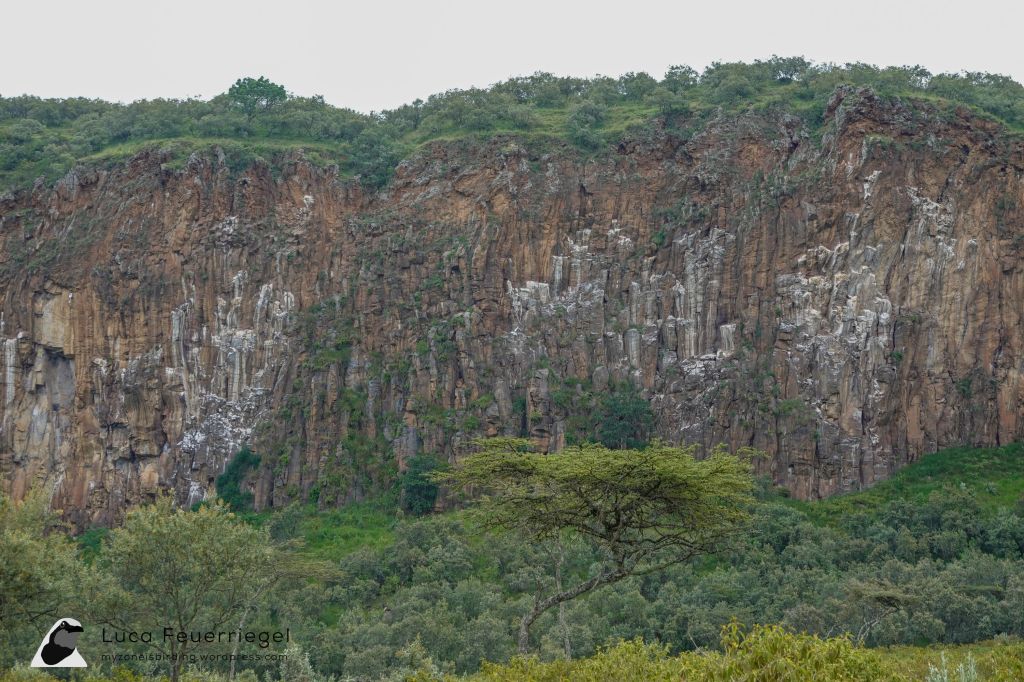
We arrived at Fisherman’s Camp on the shore of Lake Naivasha. The mantled guereza were apparently making a mockery of Sami’s excitement in the forest, as they were everywhere on the campsite. Vervet monkeys were also around, always on the lookout for somebody taking their eyes off their food. The area had African Fish-Eagle, Hildebrandt’s Spurfowl, Great White Pelican, Yellow-billed Duck, Black Crake, Long-toed Lapwing, Spur-winged Lapwing, White-headed Barbet, Rüppell’s Starling, Grey-backed Fiscal, Scaly-throated Honeyguide, Spectacled Weaver, and Lesser Swamp Warbler. We had already seen lots of wildlife but still decided to cycle in Hell’s Gate National Park, where we added a few mammals to our list, including buffalo and hartebeest, but birds were few and far in between (Rüppell’s Vulture was nice to see though).
25.05.
We returned to Nairobi by matatu and cycled to the new train station outside the city. We got our tickets and arranged the transfer of our bicycles with security, who agreed to “help” us. To pack our bicycles, we bought the big bags which people use to transport corn, coal, and all other types of produce. They were surprisingly hard to find at a nearby market, as we did not manage to explain what we were looking for. We slept at an apartment we found via Booking.com.
26.05.
Rising early, we helped ourselves to oats with delicious mango and passion fruit before heading to the station in time to pack our bicycles and continue through the security formalities (though not necessarily effective ones). The train ride was fun, although the old train that doesn’t run anymore must’ve had way more charm. Large numbers of elephant were visible in the Tsavo areas, and I saw a covey of Vulturine Guineafowls. We arrived to rain in Mombasa and hence were thoroughly drenched by the time we made it to the city and found a place to eat. The waitresses became increasingly amused as we ordered multiple rounds of chapatti. Once satiated, we proceeded to Marigold Guest House, where we got a big room and could leave our bicycles while we were away for a few days in Watamu.
27. & 28.05.
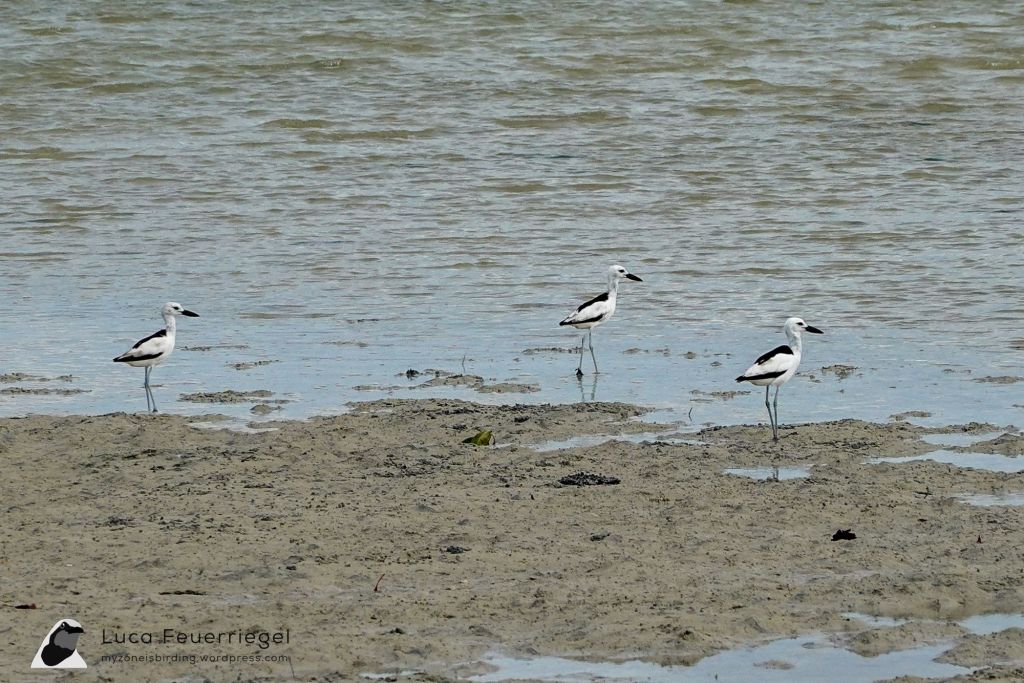
We left for Watamu in the morning, where we stayed in A Rocha, a research centre that also offers accommodation. It was fitting that the last new place of the trip offered another unique camping experiences – pitching our tent on the roof of a research building. I also enjoyed visiting this place as my father had stayed here around 30 years ago, when this was one of the few places to stay in the area. A snorkelling session at the Leuchthaus restaurant at Mida Creek was disappointing, but the rough sea made for exhilarating swimming in the waves. The Mida Creek produced Crab-Plover, Grey Plover, Eurasian Curlew, Common Whimbrel, Common Greenshank, and Mangrove Kingfisher.
29.05.
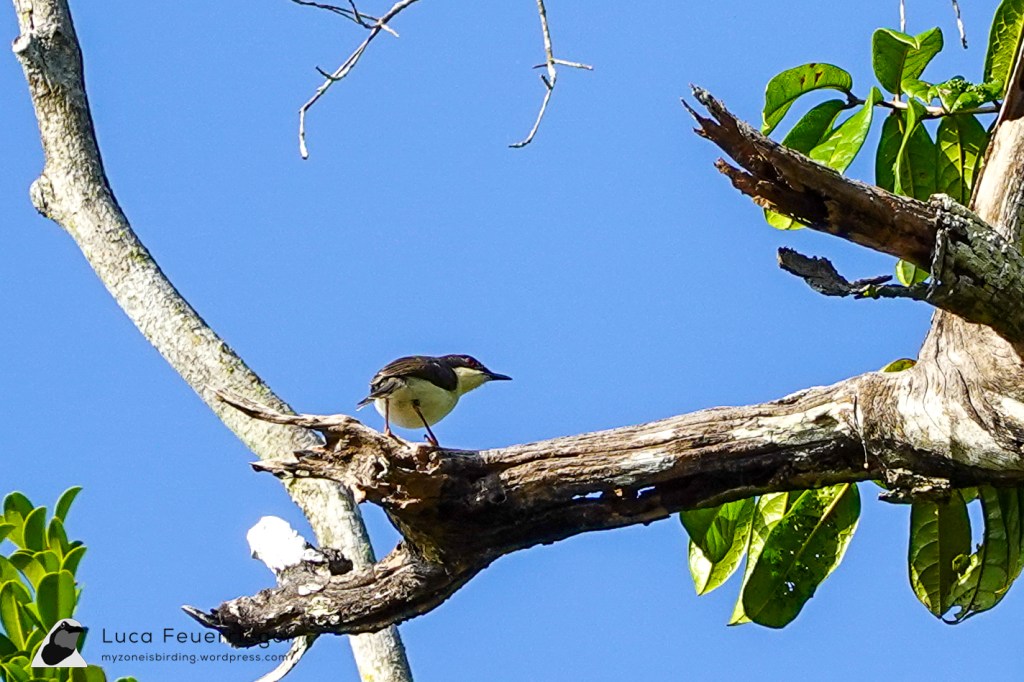
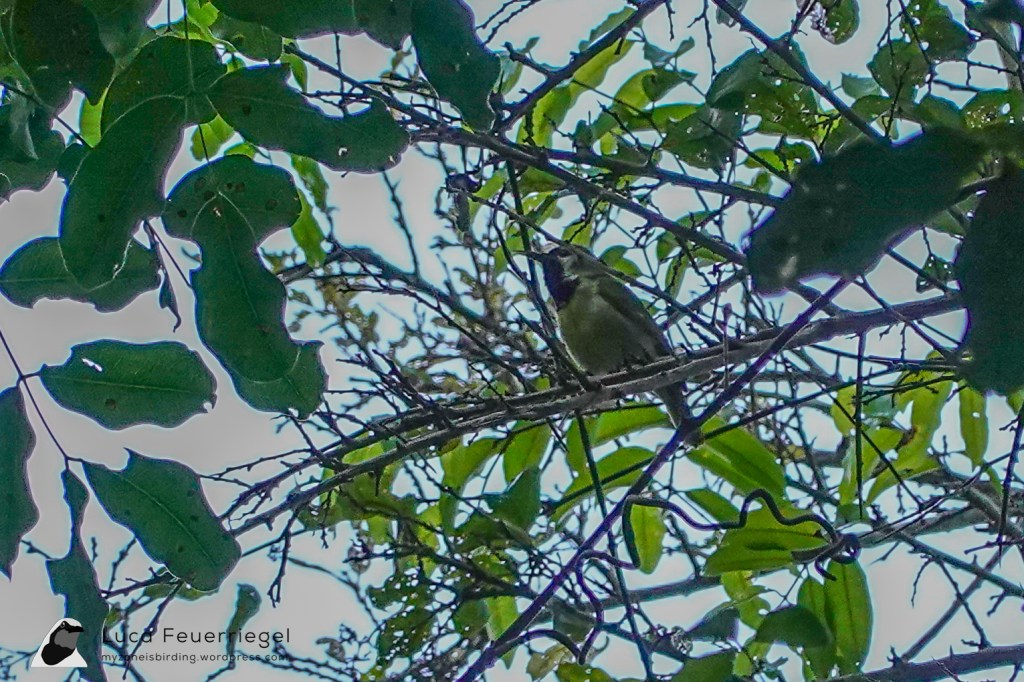
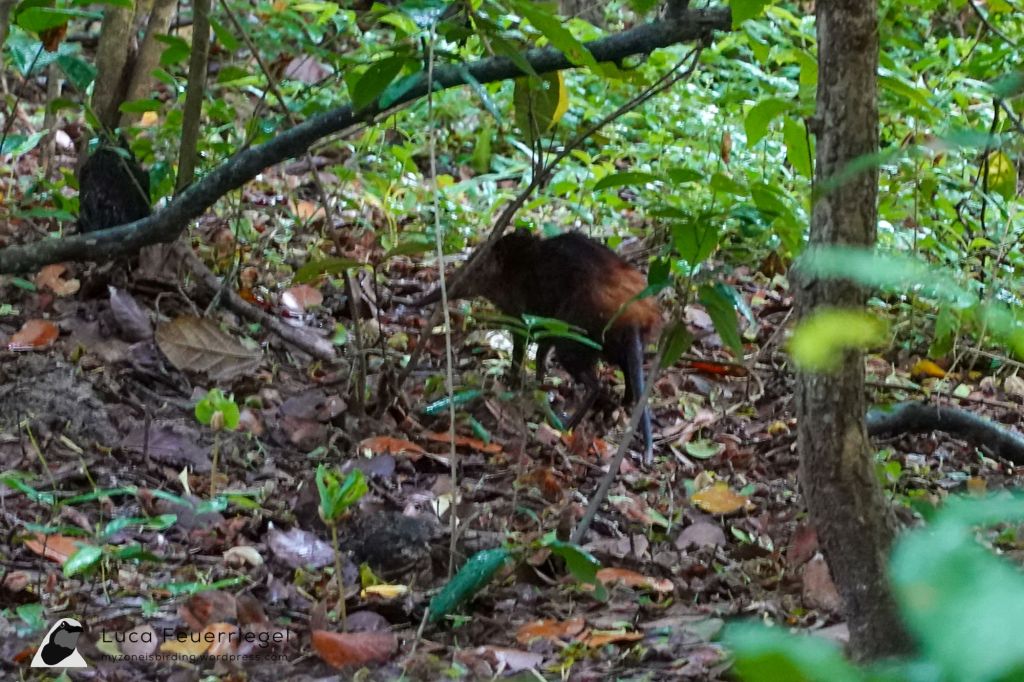
I was most looking forward to birding in the Arabuko-Sokoke forest, where we went with Willie, an excellent guide (phone +254 723 314 416). Unfortunately, he expected us to be there by car, so we had to wait at the forest edge for a while as he organised a car to take us to the Sokoke Scops-Owl spot. In the meantime, we were greatly rewarded by the golden-rumped elephant-shrews along the nature trail. This was one of the mammal highlights for me of the entire trip. Along the same trail, Plain-backed Sunbird was a lifer I had been hoping to see since a failed search in South Africa’s Tembe Elephant Park ten years earlier. Other good birds were Green Barbet, Yellow Flycatcher, and Black-headed Apalis.
Our luck faded with the search for the owls, even though Willie tried several spots. This was rather disappointing as I had heard that sightings are pretty likely. Willie told us that breeding has still never been recorded in this species. This was surprising to me as the population in the reserve apparently numbers around 1,000 pairs – perhaps there has not been a dedicated research project on this yet. A new fence was being built around the forest, which Willie said was partly to keep elephants out, whose population of around 400 individuals is way too large for the reserve’s size.
We did see another elephant shrew in the owl area, and Eastern Nicator, Yellow Flycatcher, Black-headed Apalis, and Tiny Greenbul were also around. We headed to the north of the reserve, where we saw Mombasa Woodpecker, Red-tailed Ant-Thrush, Short-tailed Batis, and Broad-billed Roller. Back at A Rocha, some Black-bellied Starlings were sitting on the treetops around our rooftop.
30. & 31.05.
It was now really time to get ready for our return to Europe, which neither of us were too eager about. Back in Mombasa, we organised boxes for our bicycles, happy to find two at Memon bike shop. The owner, Memon, said he keeps these intentionally as cycling tourists sometimes ask for them. He gave them to us free of charge, as his “contribution to the cycling community”. This was a lovely encounter and a final example of the many situations of support and generosity we experienced. We had chosen Condor as an airline again due to the larger dimensions permitted for oversized luggage, but I doubt it would’ve made a difference as everything went straight onto the check-in belt without any consideration for size.
We were glad to see both of our bike boxes make it safely to Frankfurt, where we parted ways after a month of traveling. We never had a moment of tension and in the often mad and chaotic surroundings, being something of a single unit and having nearly the same ways of doing things was hugely helpful and made things way more enjoyable. For me, it had been two months of traveling through Botswana, Zambia, Tanzania and Kenya, with a total of around 400 species of birds. More memorable though are the many encounters with people and getting a sense of how they live. As I am writing this post a few months later, I have a strong desire to repeat such a trip, the only alteration being not to get injured to cycle more and explore more scenic landscapes and rural areas.
 My Zone Is Birding
What beautiful birds in Kenya !
LikeLike
This has been an mazing adventure my friend, thanks for sharing it. It is worthy of a book or presentation (-:
LikeLike