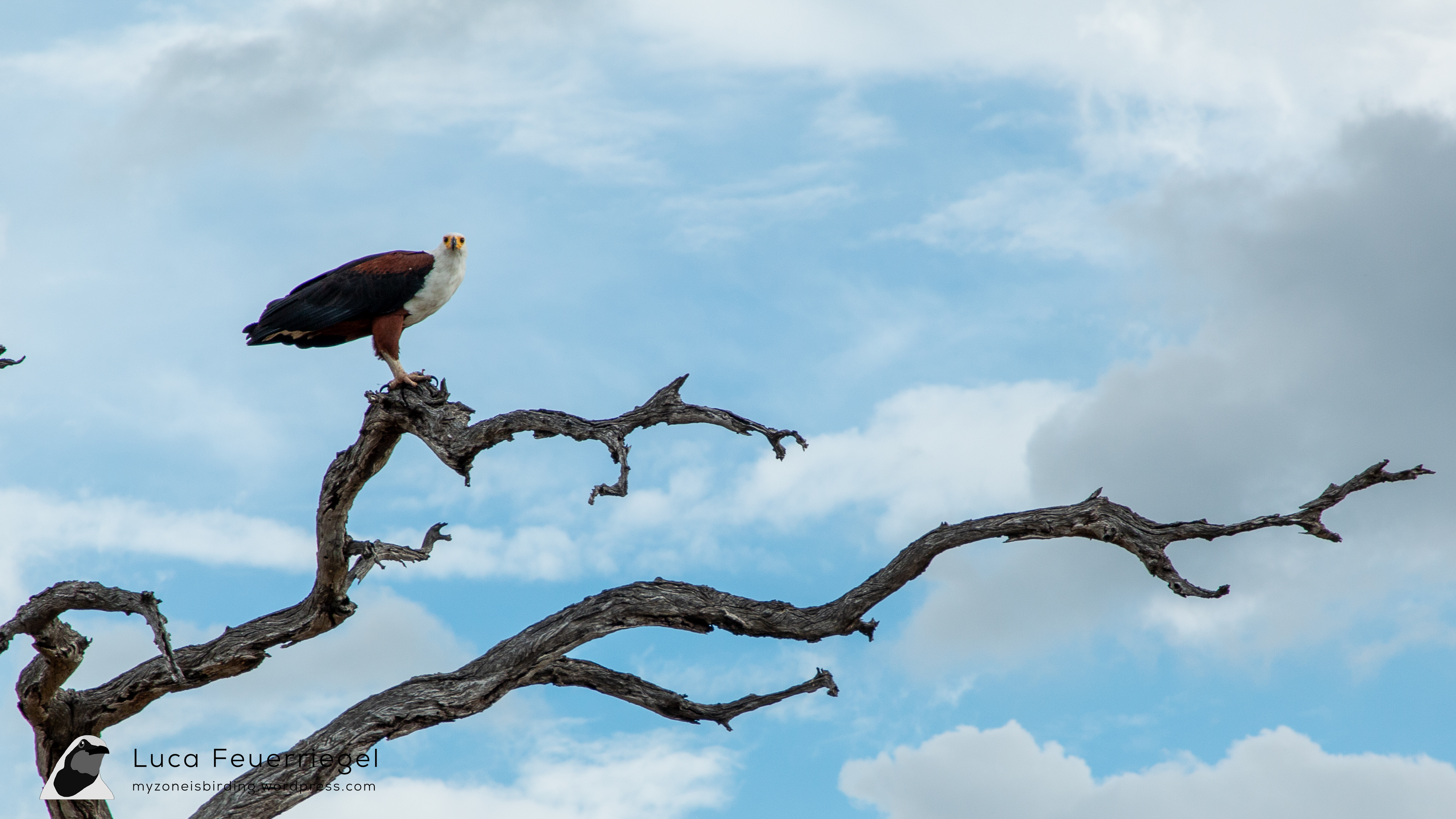

To me, Botswana is the home of a flurry of mouthwatering birds attracted to the Okavango Delta, majestic riverine woodlands, and the expansive Kalahari desert. Despite living in neighbouring South Africa for eleven years, I had never been there. When Miguel, a colleague and friend working in Gaborone, invited me to visit I saw a welcome opportunity to remedy this. As I had been planning a tour by bicycle in the region anyway, I managed to elegantly connect the two. After a quick chat with Sami, with whom I had toured southeastern Europe by bicycle, he was on board for a leg of the cycling tour. A rough itinerary for the two-month trip thus looked as follows: safari in Botswana with Miguel, solo travel through Zambia north to Dar-es-Salaam on the Tanzanian coast where I would meet Sami, and finally a joint tour through northern Tanzania and southern Kenya. The Botswana segment of the tour, which is the subject of this post, was set out for ten days.
After a few days in Gaborone, we planned to visit the following sites:
- Khama Rhino Sanctuary
- Boteti River Lodge
- Nxai campsite
- Hippo Pools camp, Khwai
- Savuti campsite, Chobe NP
- A campsite in Kasane
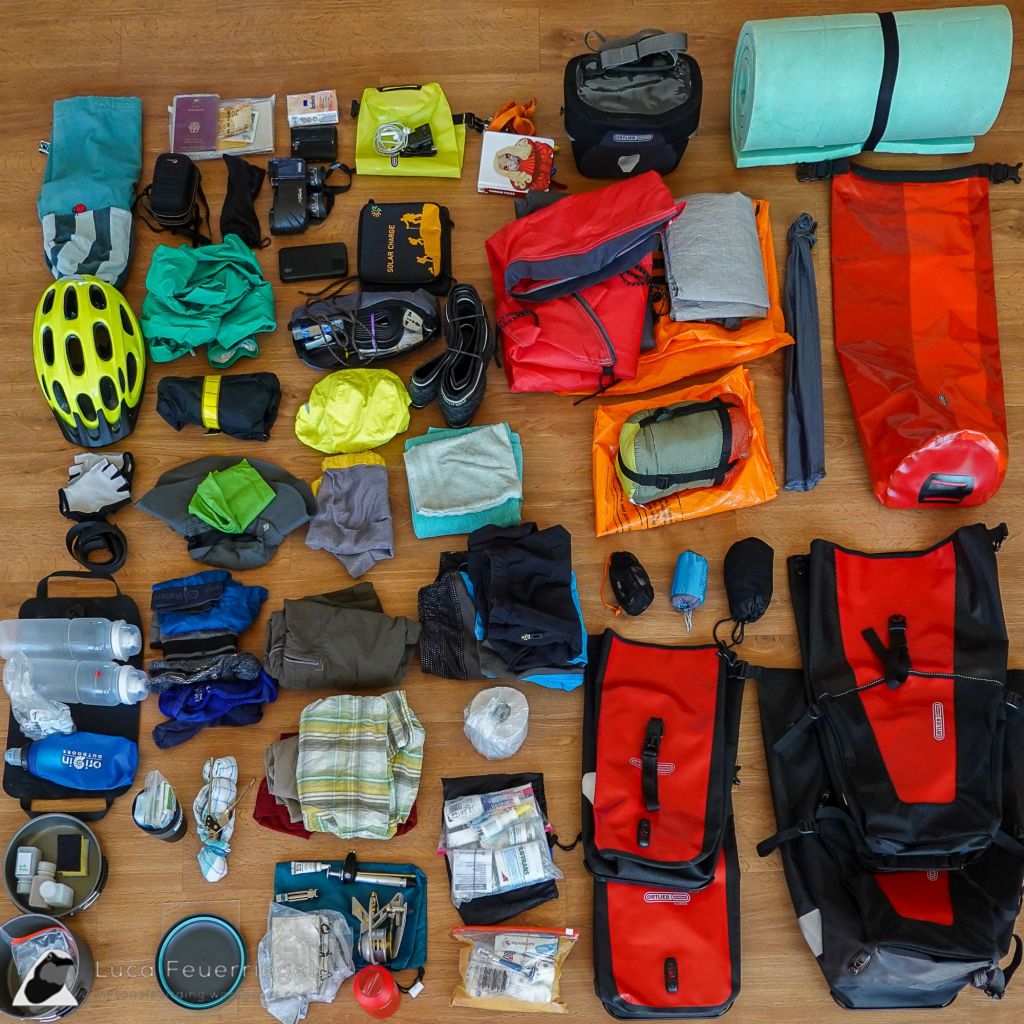
I decided not to plan the further route in detail but rather decide where to cycle on a day-by-day basis, with the thought that a more open-ended approach makes me more flexible to respond to unexpected developments. My flight to Africa was nonetheless preceded by lengthy preparations, mainly in terms of equipment for the tour with Sami and coordinating accommodation with Miguel in Botswana. I already owned most necessary equipment but thought a lot about how to maximally reduce weight. The photo below shows everything I packed, aside from my bicycle.
Transporting my bicycle by plane went extremely smoothly (I used Condor which allows larger dimensions for bike boxes than other airlines) and I was glad that all my luggage came through all the way to Johannesburg, South Africa. What is more, it felt great to be back in South Africa six years after my last visit. Miguel was kind enough to pick me up from the airport and drive all the way back to Gaborone. As we got to the car, White-rumped Swifts were careening around the building just as they used to whenever I arrived at this airport. We exchanged stories of the last few months that we hadn’t seen each other while zooming past the still familiar Pale Chanting Goshawk and White-winged and Red-collared Widowbirds on the highway. The immigration official at the Botswana border was adamant that I had to pay import fees for the bicycle. When we told her that I brought it to cycle to Kenya, she laughed, asked “why would anybody want to do that?”, and let us pass.
We spent two days at Miguel and his girlfriend’s home preparing for our safari and giving me the chance to meet some of their friends. I also enjoyed being re-acquainted with local garden birds, including Groundscraper and Kurrichane Thrushes, Brown-hooded and Woodland Kingfishers, Red-chested Cuckoo, Pearl-spotted Owlet, and Violet-backed Starling.
01.04.
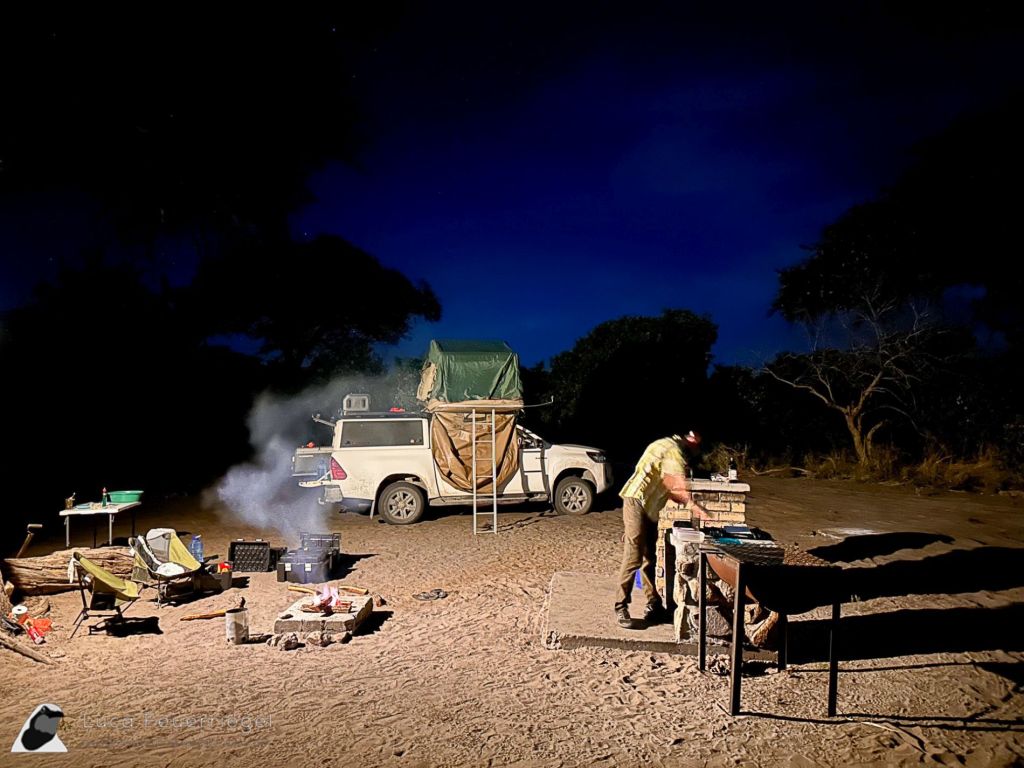
An uneventful drive with Namaqua Dove and Lesser Grey and Red-backed Shrikes saw us arrive at Khama Rhino Sanctuary. We unpacked at campsite Nr.9 under a tree with magnificently sprawling branches and set out for our first game drive. Eland, springbok, giraffe, plains zebra, and the obligatory white rhinos were all in evidence, as were Marico Flycatcher, Gabar Goshawk and Crimson-breasted Shrike. These sightings did not manage to dispel our worries over the clouds growing to increasingly dark and tall beasts. The heavens opened upon our return to the campsite and we had to wait out the deluge in the car. With the torrents abating, we fortunately managed to get a fire going and enjoyed an excellent braai.
02.04.
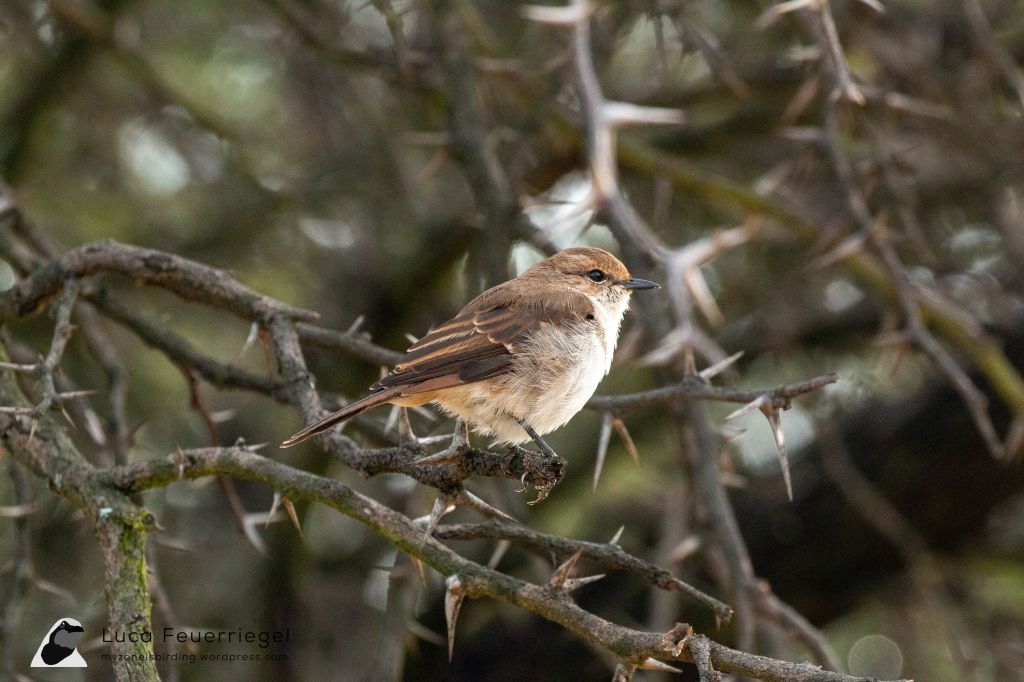
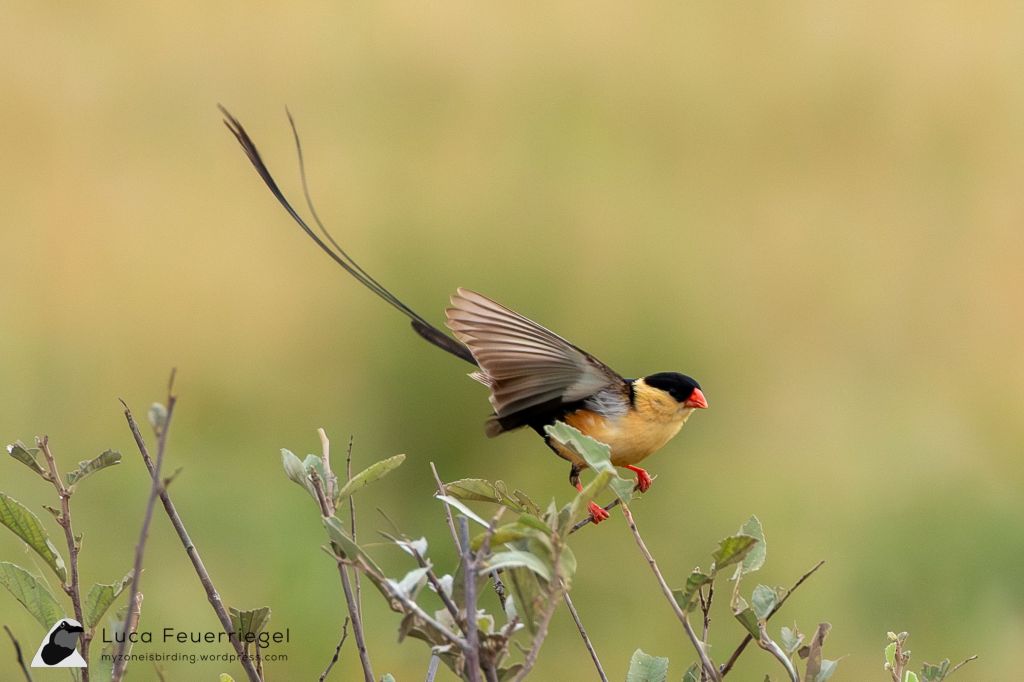
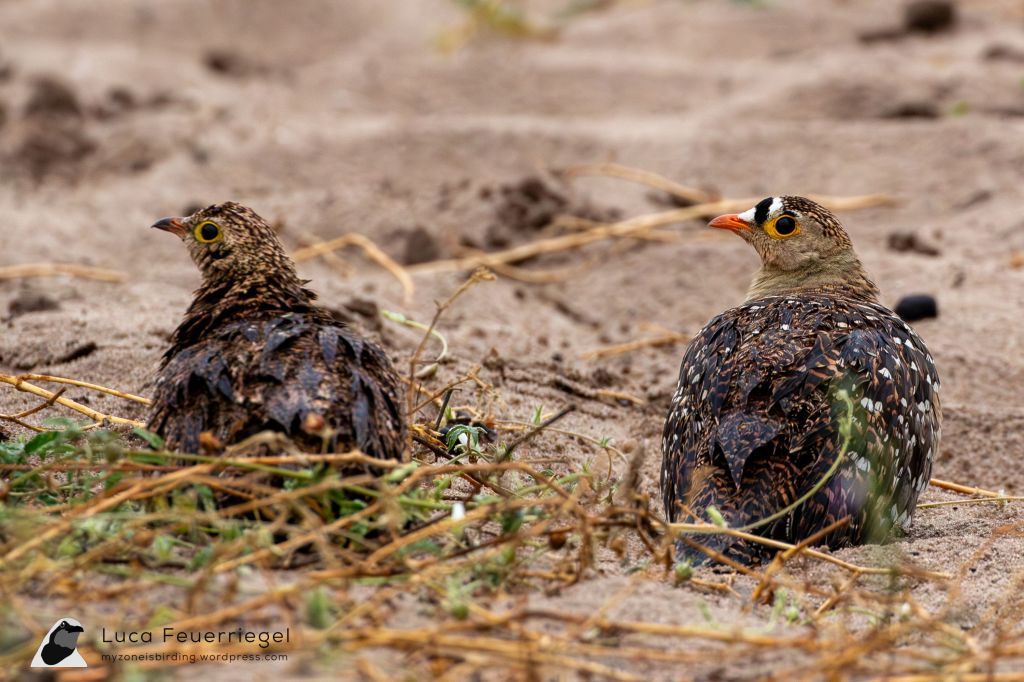
A morning drive in the reserve was not as productive as we hoped, with few birds and fewer mammals. A Dark Chanting Goshawk, Shaft-tailed Whydah, Spotted Eagle-Owl, Kori Bustard, and sombre-looking drenched Double-banded Sandgrouse provided good entertainment nonetheless. We soon continued to Boteti River Lodge, with a Great Spotted Cuckoo on the way. In and around the lodge, Red-billed Spurfowl and Hartlaub’s Babbler indication that we entered a different biome. We enjoyed the lodge itself, with a small pool and a beautifully-designed ablutions block.
03.04.
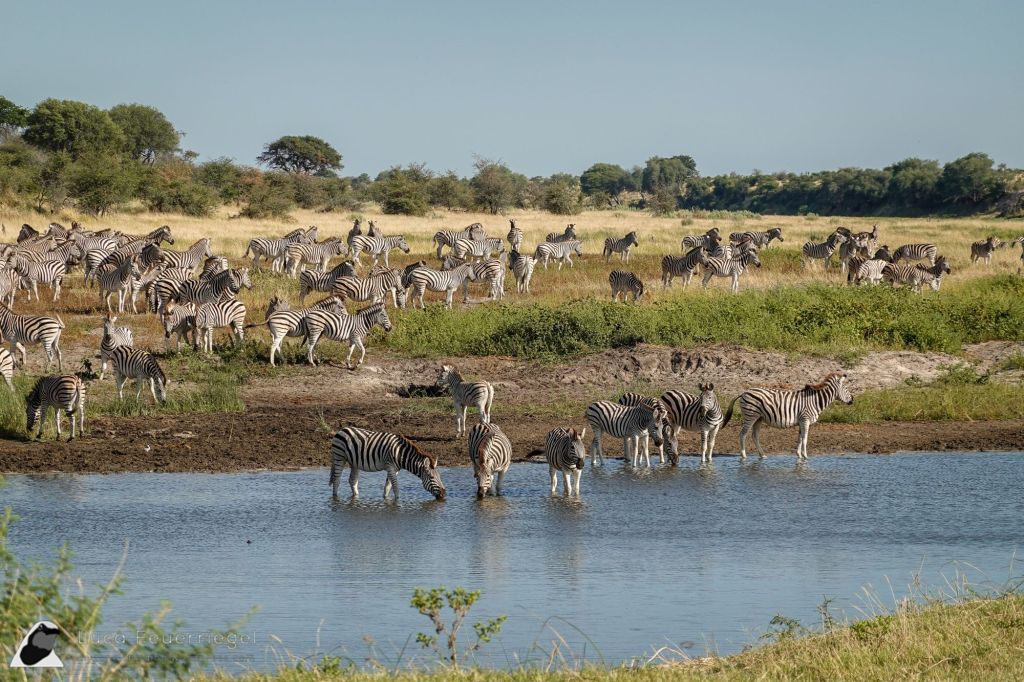
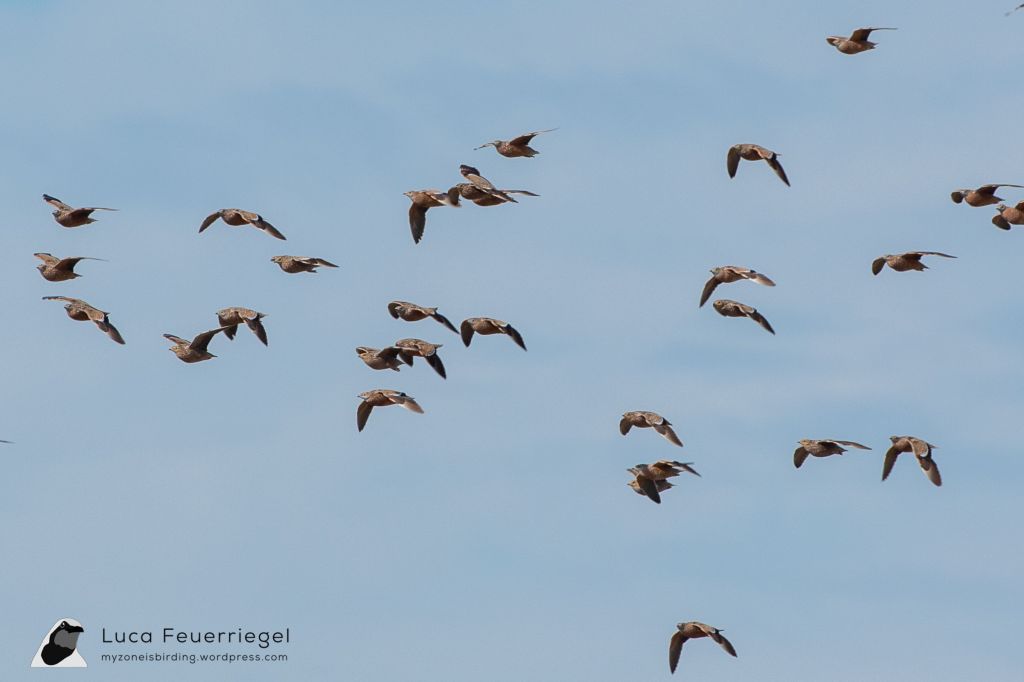
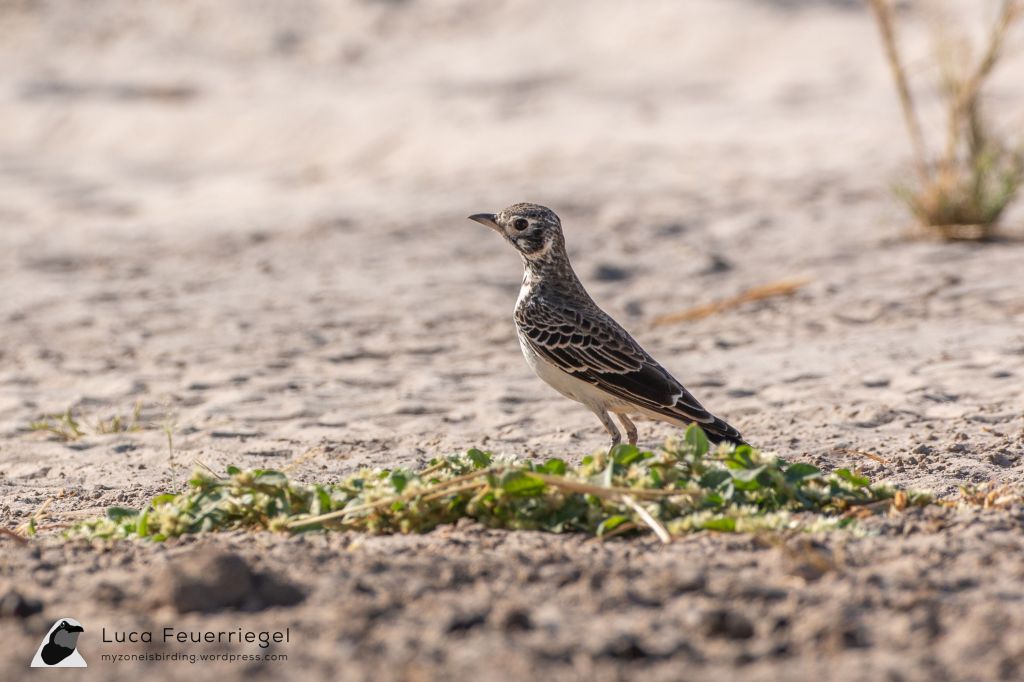
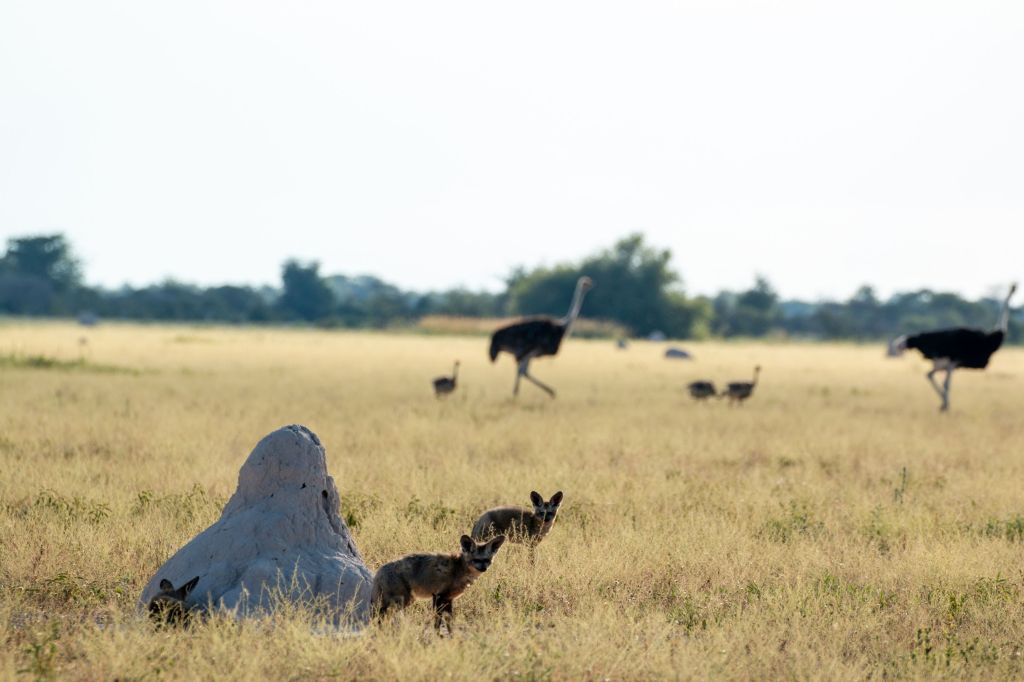
Leaving in the morning, we decided to drive to Nxai Pan via Makgadikgadi Pans NP. A lion had roared from the area at night, but as expected all we saw were some tracks. We were rewarded with a huge number of zebras in the dry riverbed, converging at a small remaining body of water with large groups of Burchell’s Sandgrouse coming in to drink as well. There was no better place to watch this scene than from under the shade of a huge camel thorn in which a Verreaux’s Eagle-Owl was roosting. The drive further produced Wattled Starling, Chat Flycatcher, Bradfield’s Hornbill, Black-bellied Bustard, and Northern Black Korhaan. The road from the Nxai entrance gate to the campsite was better than we expected, but very corrugated and with deep sand in places. The campsite is shaded by large leadwood trees spaced perfectly for hammocks and like in Khama we enjoyed the feeling of being in a non-fenced camp. An afternoon drive produced Double-banded and Temminck’s Coursers, Dusky Lark, Chestnut-backed Sparrowlark, and Blue-cheeked Bee-eaters. I was even more excited about a family of bat-eared foxes, a mammal lifer. A family of Western Barn Owls entertained us during dinner.
04.04.
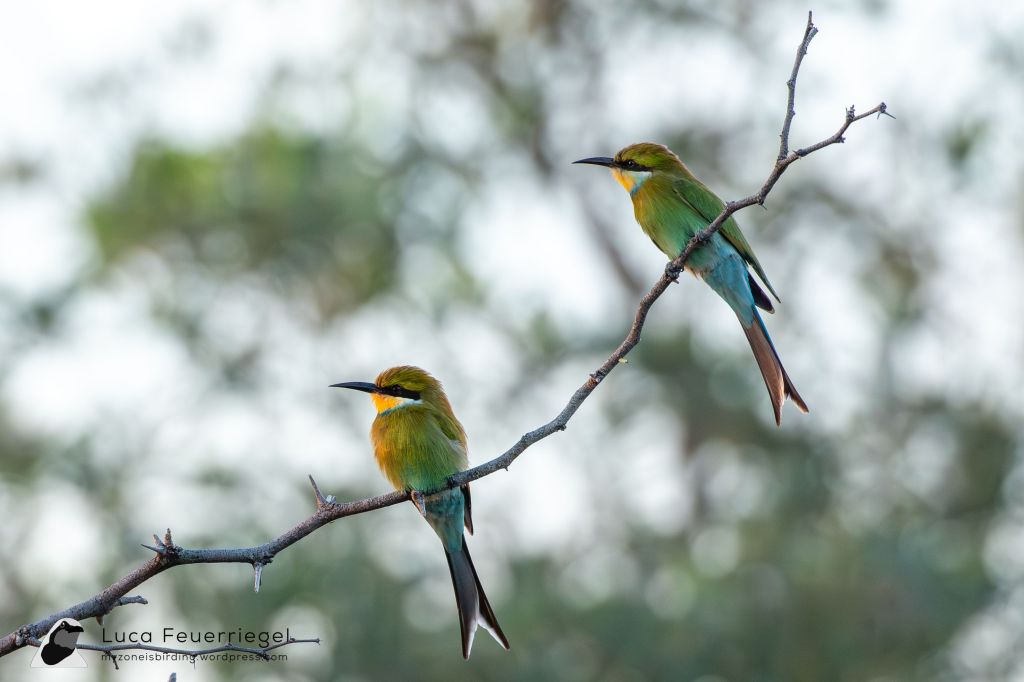
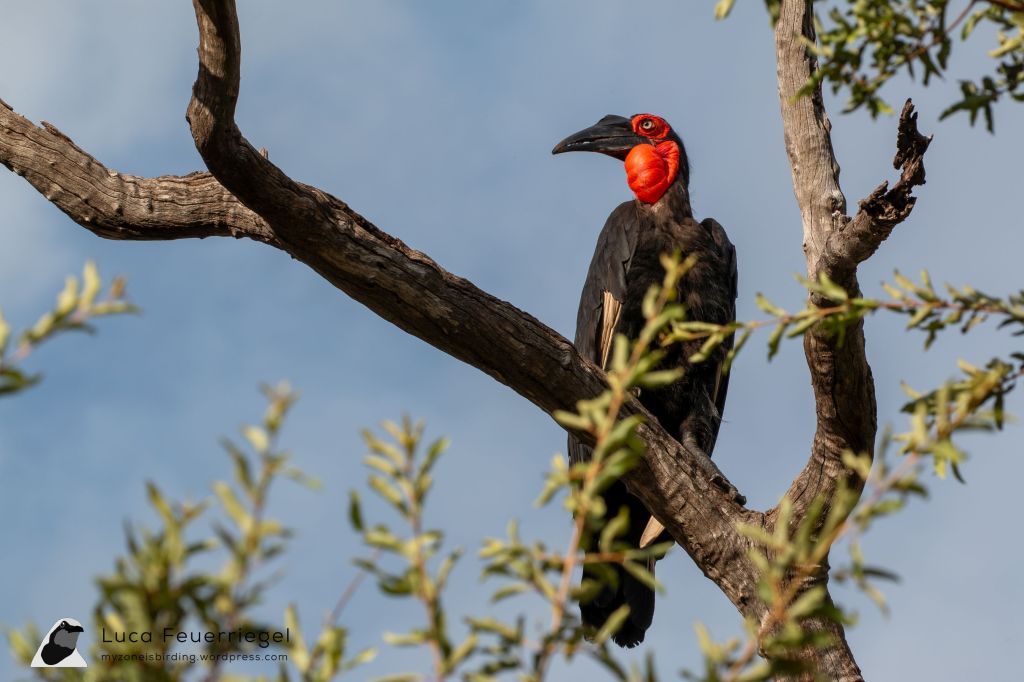
We packed up and headed out for the long drive to Khwai, outside North Gate of Moremi Game Reserve. First up was a breakfast stop that revealed nothing but two Double-banded Coursers. The drive produced Swallow-tailed and European Bee-eaters, Amur Falcon, Black-chested Snake-Eagle, Greater Kestrel, Purple Roller, and Southern Ground-Hornbill. After an obligatory lunch stop at The Duck in Maun, the road quality deteriorated rapidly. We were lucky that it hadn’t rained in several days, making deep mud holes less treacherous than they would otherwise have been. Hippo Pools camp is difficult to find amongst the complex network of tracks around the Khwai village. It was dark when we arrived and so we coincidentally ended up at the site called hippo pool (there were a few adjoining sites with different names) and were extremely happy with the location.

05.04.
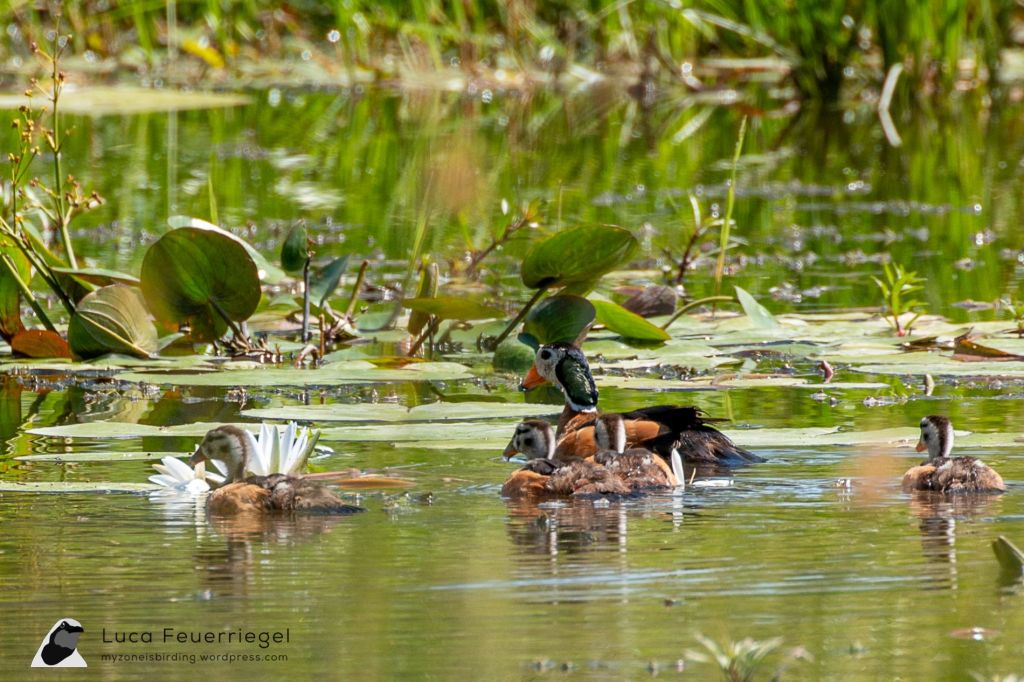
We noticed that the campsite was aptly named as we got ready to leave at dawn, with a pool in the small river housing hippos a few metres from my tent. We spent the whole day in Moremi Game Reserve. We saw some excellent birds but few interesting mammals. Until noon, we did not encounter a single car which made for a lovely atmosphere of solitude among the majestic riverine trees bordering the grassland that form the furthest reaches of the delta. Some of the better birds that the woodlands produced were Grey-headed Kingfisher, Saddle-billed Stork, Arnott’s Chat, and African Pygmy-Goose (with chicks in a small pool amongst the trees). From the elevated viewing platform at hippo pool (there seem to be many hippo pools around!) we saw Allen’s Gallinule, Long-toed Lapwing, Black Egret and White-browed Coucal. Back at the camp at night, a lion roared in the distance as I tracked down an African Barred Owlet at the neighbouring site. This bird had been amongst my most desired in southern Africa for years, so I was glad to finally connect with it.
06.04.
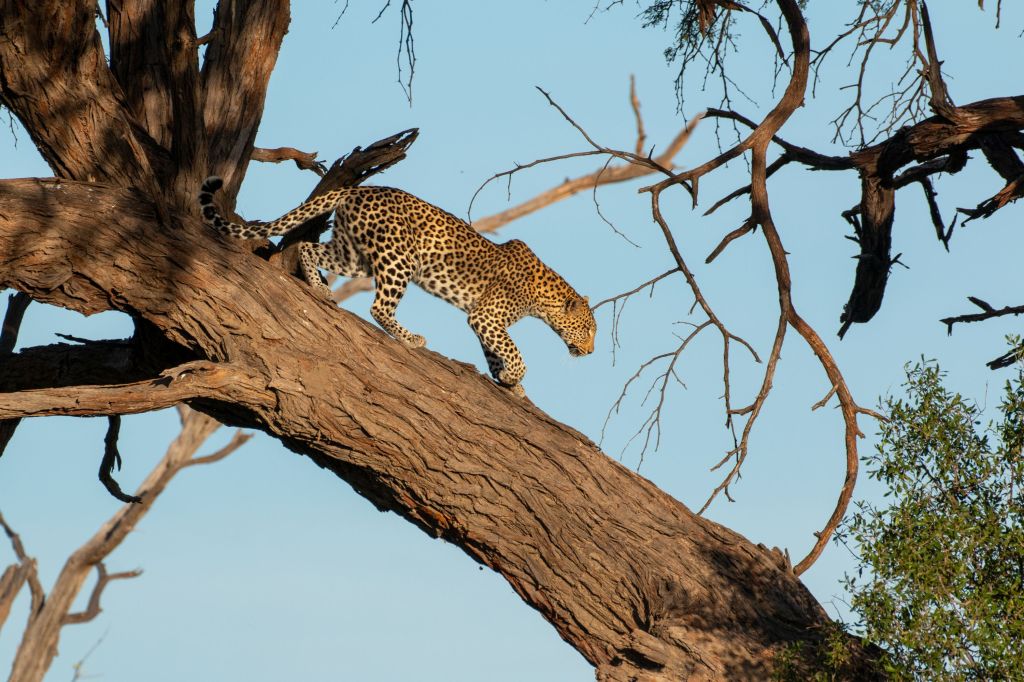
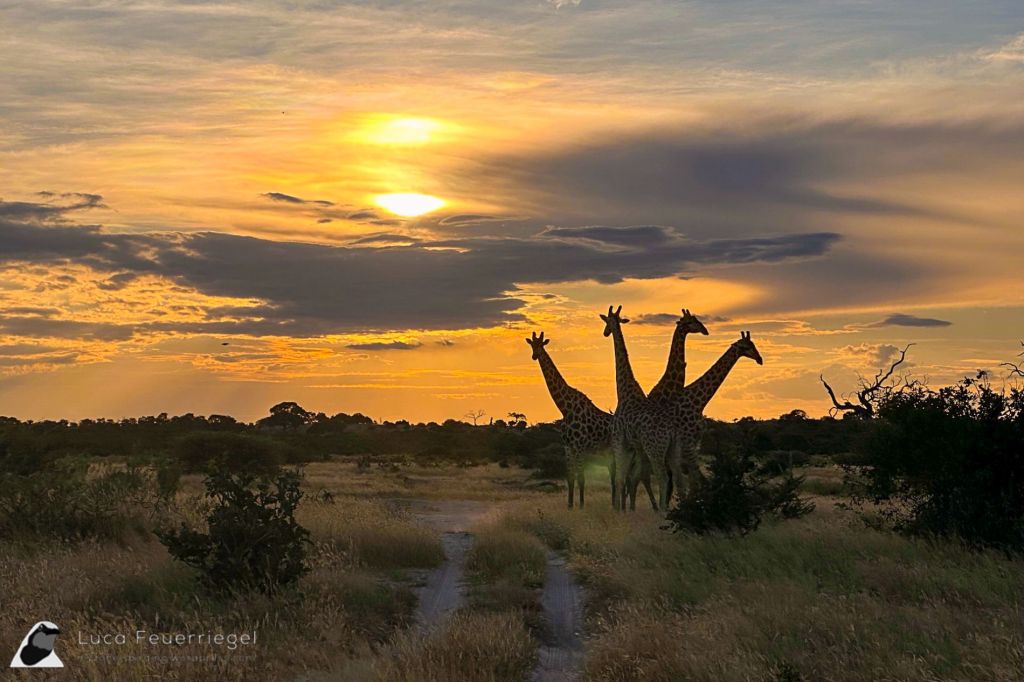
While packing up the next morning, we noticed that a huge elephant was feeding serenely in the thickets just a few metres from us. It was impressive how such a huge animal can remain hidden so well. We continued to Savuti on decent roads, with few birds or other wildlife to distract us along the way. We had the apparently popular ‘Paradise’ site for the first night but preferred campsite 6, where we stayed for the second night, as it was more secluded. We had heard amazing things about Savuti and while the camp is a great place, it was not more beautiful than the other camps we’ve stayed at. When it came to sightings however, Savuti performed. White-backed and White-headed Vultures perched in a tree alerted us to a lioness with a freshly killed zebra close to camp. In the warm glow of the evening light, a big male leopard resting in a camel thorn tree was already shortlisted as one of my best sightings of this species. This position was confirmed when a female leopard suddenly came out of hiding in the foliage at the other end of the tree and joined her mate. This is the first time I’ve seen two leopards in the same tree. A few minutes after moving on, we came across giraffes morphed into a multi-necked entity, a funny sight. The cherry on top was a brief cheetah sighting just before entering the camp at dusk.
07.04.
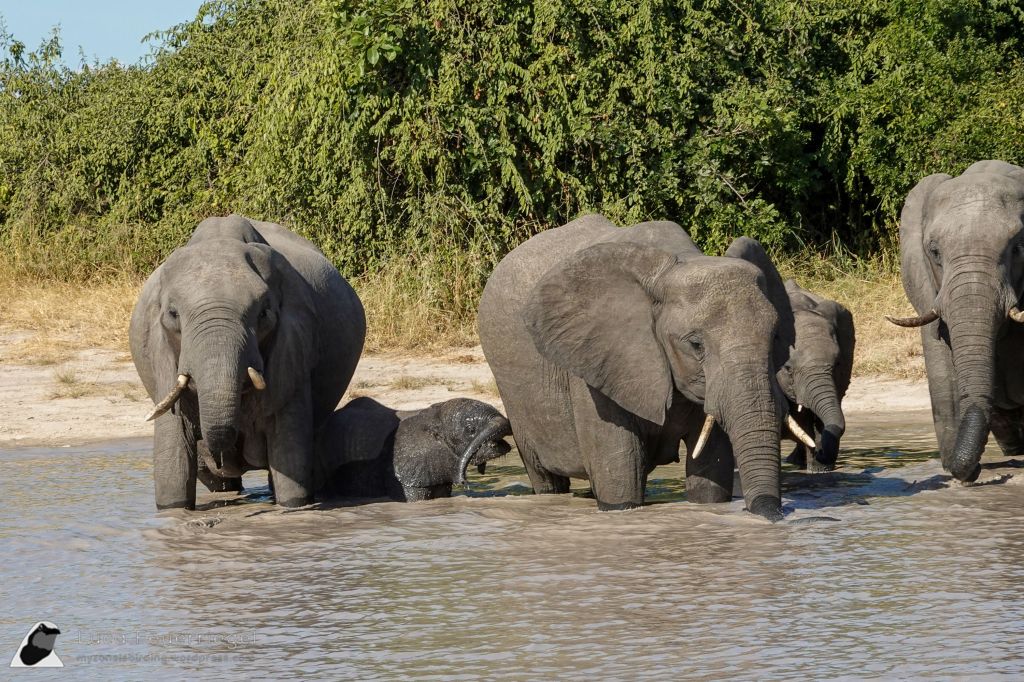
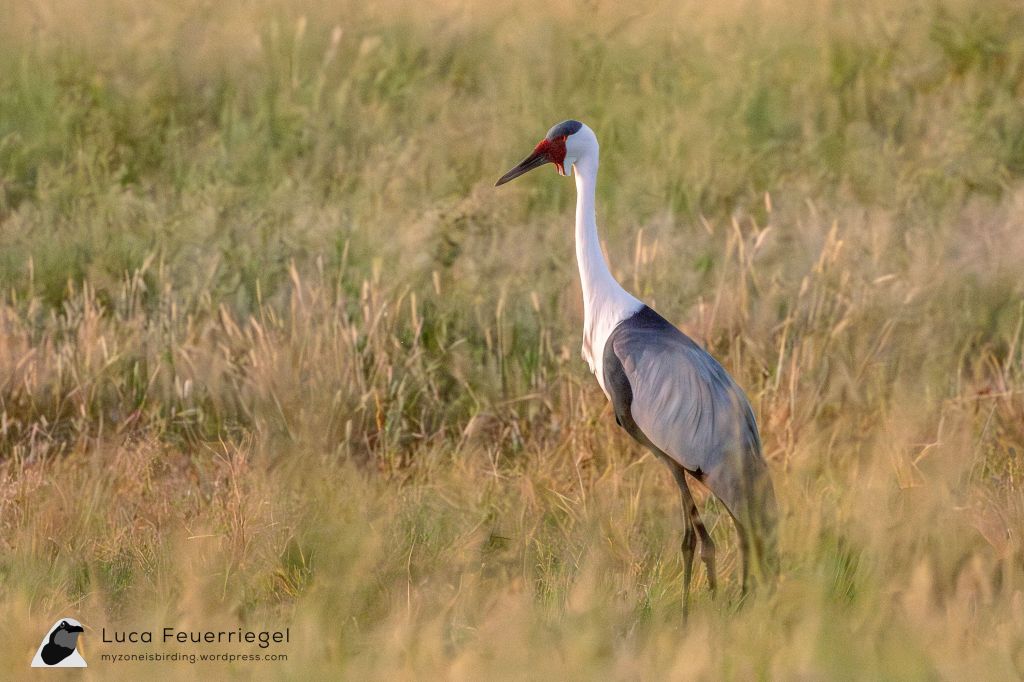
After such an amazing game drive the previous evening, we doubted whether we could be satisfied today. We saw some great birds on this full day of game drives around Savuti, including multiple Dwarf Bitterns in the many puddles along the tracks southeast of the camp. A Dusky Lark and, amazingly, a pair of Wattled Crane were around the pans north of camp. A family of elephants happily cooled down in a water hole, the relief tangible as the rolled around in the water. With Miguel’s help, I got some nice photos of two African Barred Owlets busily calling from a bush on our campsite.

08.04.
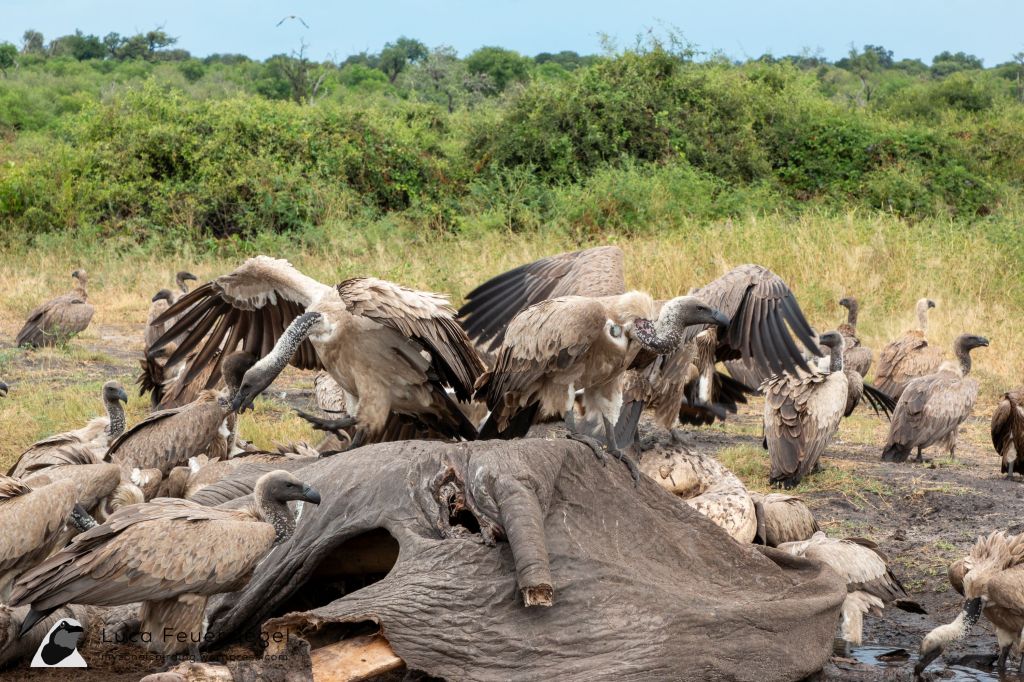
Driving to Kasane through Chobe National Park, we saw African Golden Oriole, Red-headed Weaver, and Southern Carmine Bee-eater. We quickly unpacked some of our equipment at the campsite of Thebe River Safaris and headed back into the park, to make the most of our day entry ticket. I added Knob-billed Duck, Banded Martin, and Three-banded Courser to the trip list along the Chobe River, and we were impressed by the density of giraffes. An elephant corpse attracted a good collection of vultures engaging in hysterical squabbles, with a Lappet-faced Vulture showing clear dominance to access the few parts of the animal that hadn’t dried brick-hard. Thebe River Safaris offered good facilities, and we had a nice site right by the river. The electric fence required some getting used to though.
09.04.
The final planned day of our shared Botswana segment of my trip, we decided to check out the Old Hunters’ Rd, along the border with Zimbabwe. We did not see many game animals, but the road led through beautiful woodland in places, and it felt fun to drive along this track with Zimbabwean woodland on one side of the car. Violet-backed Starling, Spectacled Weaver, and Black Stork were around. In the evening heavy rain turned the ground of our campsite into a treacherous mudhole, and while rushing back to the tent from the ablutions block, I slipped and hit my knee on a rock. It was more than a slight injury, and I was quite frustrated as I immediately knew that this would significantly hamper my planned crossing into Zambia by bicycle the following day.
10.04.
This assessment turned out to be correct as the wound got stitched the following morning by a very friendly Zimbabwean doctor who runs a small clinic in Kazungula town. He recommended me to take things easy, so we extended our stay for a day and went for a game drive in Chobe NP, enjoying a large pride of lions up close and seeing Red-necked Falcon, Lizard Buzzard, and White-crowned Lapwing. These sightings did little to distract me from my knee, and I could barely walk. I hoped this would only handicap me for a few days, but recovery ended up taking much longer.
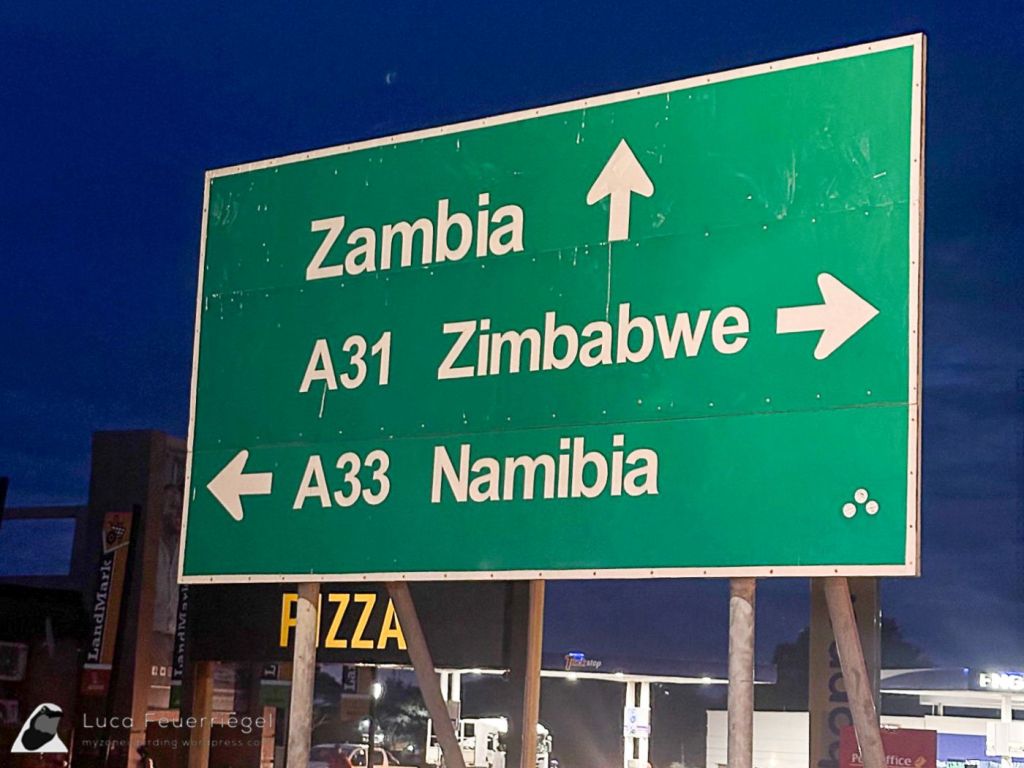
The following day, Miguel drove me to the Kazungula border and although he felt odd just leaving me continue with a bandaged leg, we said goodbye and I crossed the Zambezi. The Zambezi River has so far been the mental border for me between familiar countries to the south and unfamiliar countries to the north. Despite being unable to cycle, I was therefore excited to continue my travels. The one-stop border crossing was simple and I took a quick look at Victoria Falls later in the day before travelling by bus all the way through Zambia and Tanzania to Dar-es-Salaam, making some single-night and a few multi-day stops along the way. One of these was at Mutinondo Wilderness in Zambia, the subject of my next post. I am glad that I finally got the chance to become familiar with some of Botswana’s gems. The scenery in the parks is stunning and the campsites were some of the best I’ve ever camped at. I’m eager to return to explore the Delta more thoroughly and to venture into the more arid parts o the country, like Central Kalahari Game Reserve. Hopefully another trip with Miguel will target these places soon, as traveling together was made very easy and fun thanks to our shared passion for exploring the outdoors.
 My Zone Is Birding
Wow what a feast of birds and animals, and such beauty and variety from our own species ! A wonderful journey of a lifetime. That Hornbill is impressive, as are the bee-eaters, love the swallow tail and the crane yes all amazingly unique and beautiful.
LikeLike
Thank you so much! I was really lucky with the sightings indeed and fortunately I had my friend’s excellent camera to capture some of that beauty.
LikeLiked by 1 person
Wonderful to read about your latest African adventures, Luca. I appreciated the combination of cycling and birding and the reference to you epic trip across Sri Lanka several years ago.I love the details and descriptions that make it feel like we’re on the trip with you!
LikeLike
Thank you so much! I do remember the Sri Lanka trip fondly and really hope I’ll make it back there in the near future!
LikeLike