
Ever since Mark Cocker’s Birders offered me the first glimpses into the British world of birding as a fledging birder back when I lived in South Africa, I had wanted to visit the legendary North Norfolk coast. When I spent two weeks in England this January, I made it a priority to visit the wetlands bordering the charmingly-named village of Cley next the Sea. I stayed in the YHA Hostel in Sheringham (being nearly the only guest), which was very well-suited for my needs, with a good kitchen to prepare quick meals and located close to the Coasthopper bus which I took to get to Cley. Aside from the wetlands, I also spent one morning seawatching in Sheringham, among the best seawatching sites in England.
The weather was fantastic on both days I spent in the wetlands, with the sun only infrequently blocked by clouds and light winds most of the time. It was rather cold though (as to be expected), and after spending the entire day outside my fingers were painfully immobile, a particular handicap when using my camera. This season is obviously not the most exciting time to be birding here, with spring and autumn migration being the times of year with much more potential for some mega rarities. There were plenty of good birds around nonetheless, and with the golden sunlight of a clear winter day rendering even sightings of standard birds into special moments, I had an excellent time.
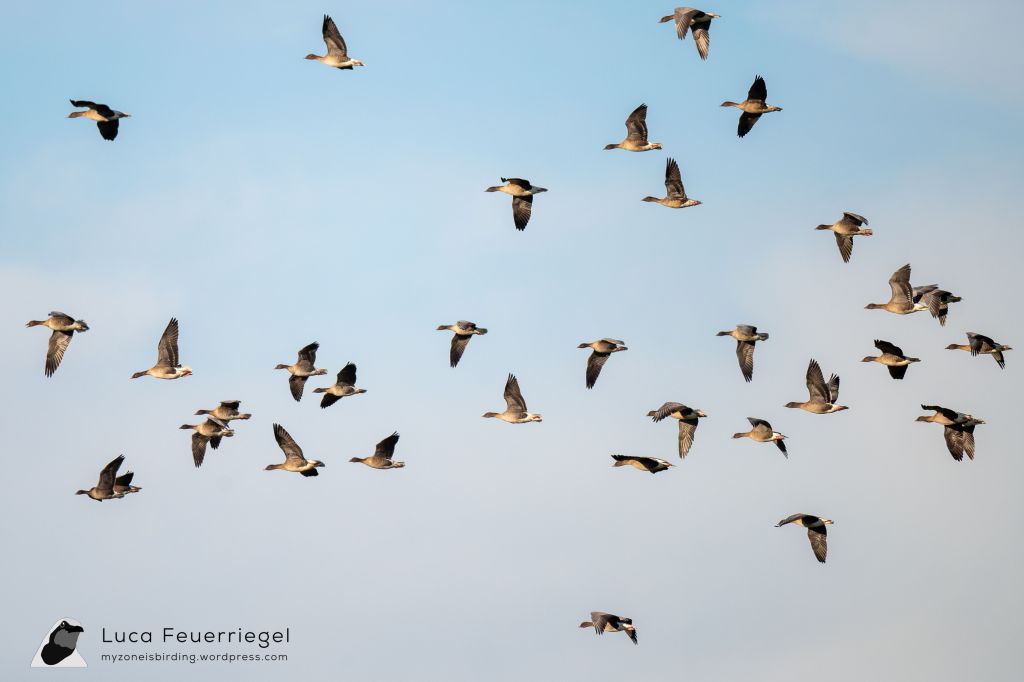
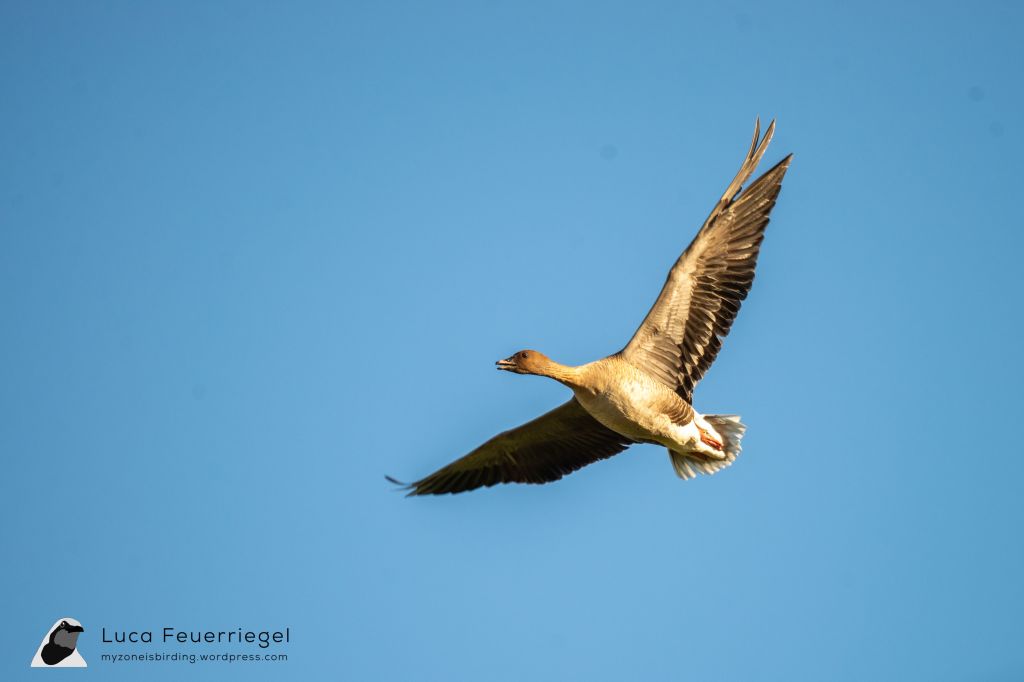
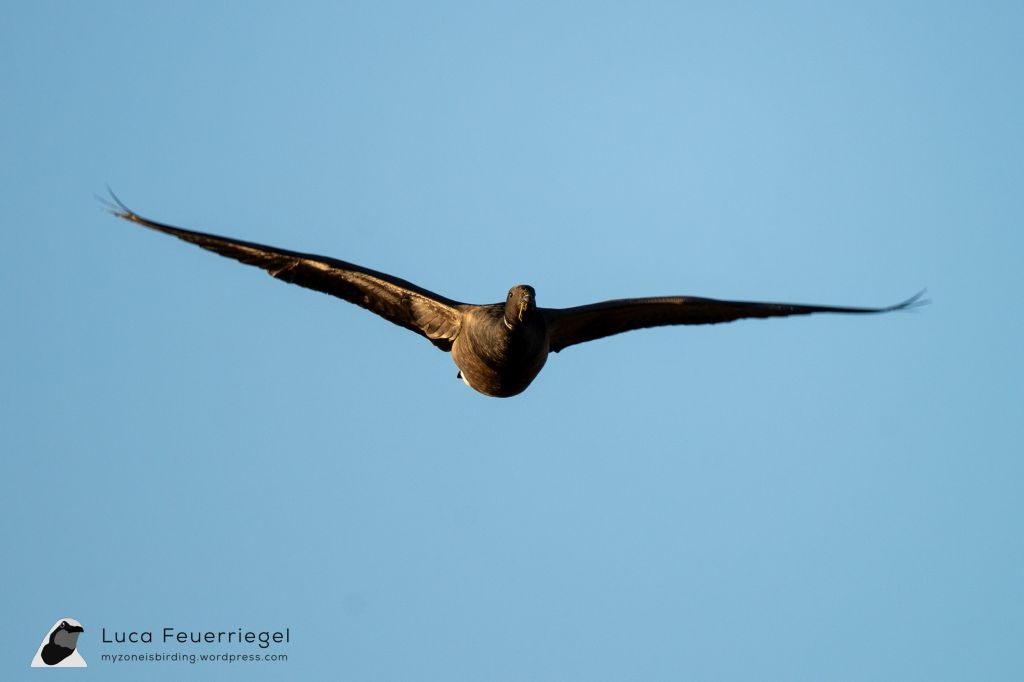
Pink-footed Geese were easily the most plentiful species around, with a flock of several thousand birds coming in to roost at one point in the afternoon. Another birder had heard bean geese overhead as well, but I could not spot them among the pink-footeds. Brent Goose was also common. The huge flocks of geese scattered across the sky and gradually descending onto the wetlands had a sense of timelessness to it and made for a beautifully atmospheric moment.
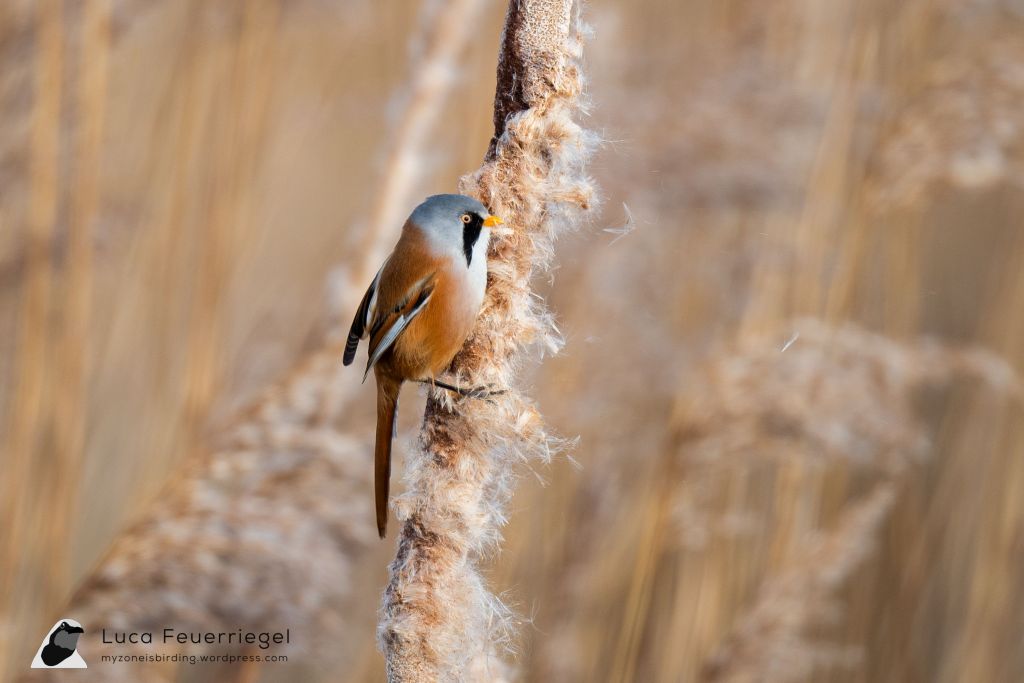
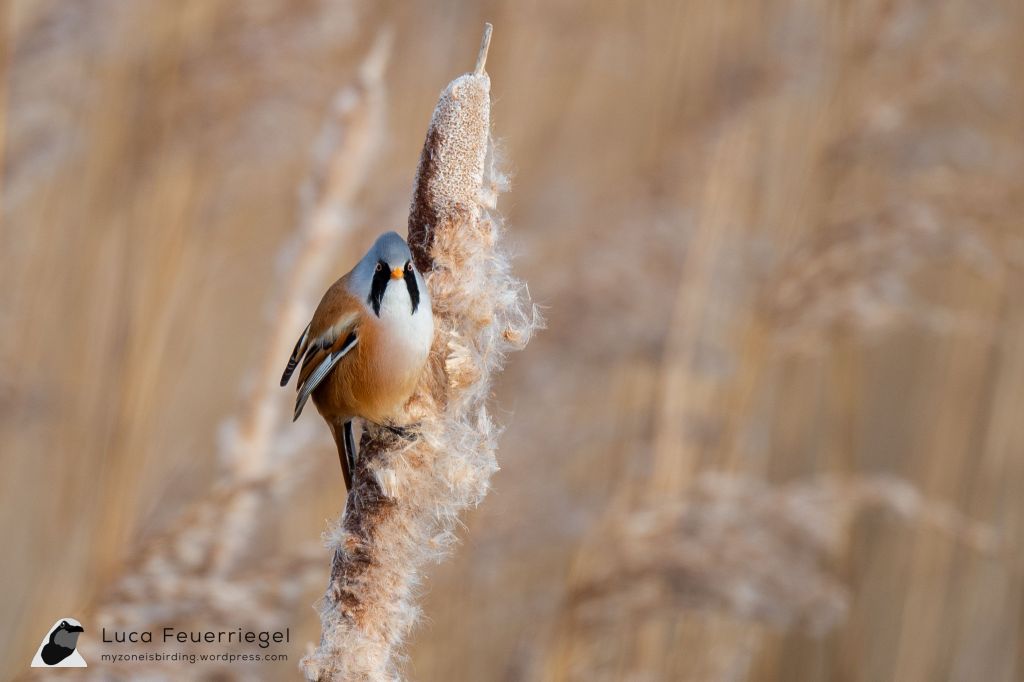
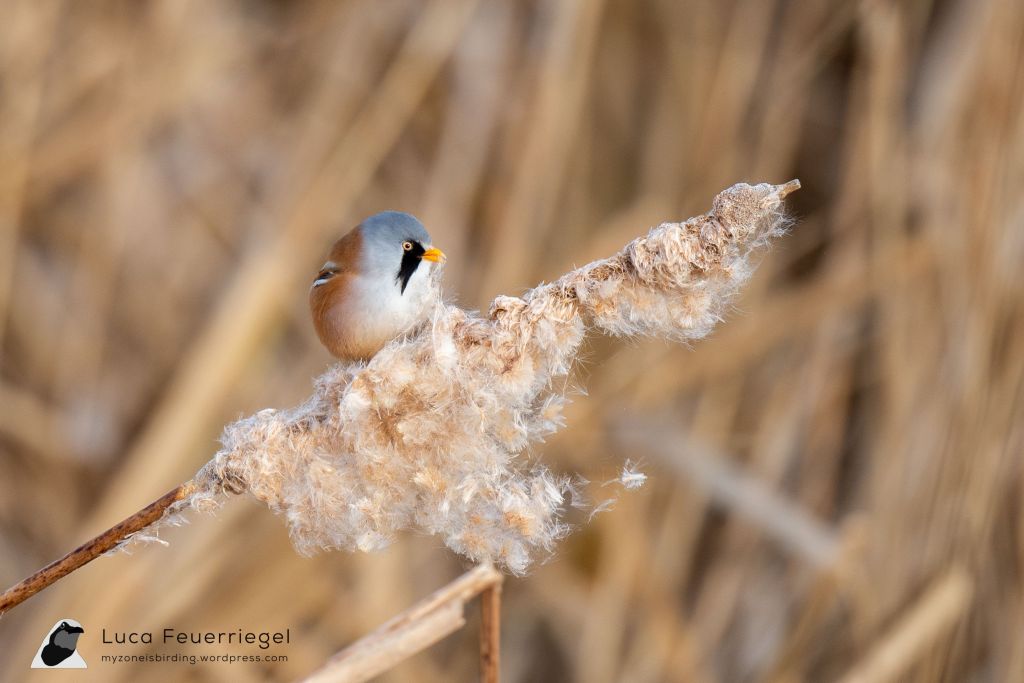
The most memorable species of my stay was a couple of Bearded Reedlings. I saw these both on the first afternoon and the next morning, both times very close-by. More than that, most of the birds were the spendidly-plumaged males. As I have only seen this bird once before (on a gloomy and wet day on the Dutch island of Texel), I had hoped to come across reedlings on this outing. The first day two males were ridiculously close, but nonetheless nearly impossibly to see properly due to a strong wind. The next morning, two males were feeding at the edge of a small frozen pool of water, one bird even hopping around on the ice at one point! The extended, frame-filling views of the bird’s head and wings in my scope were unforgettable.
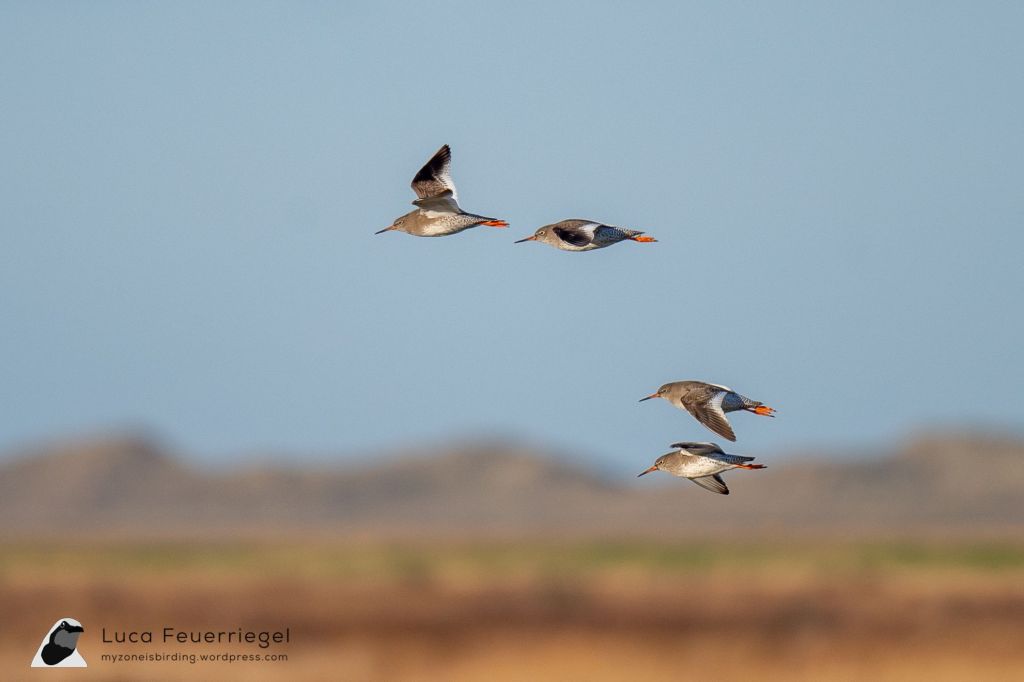
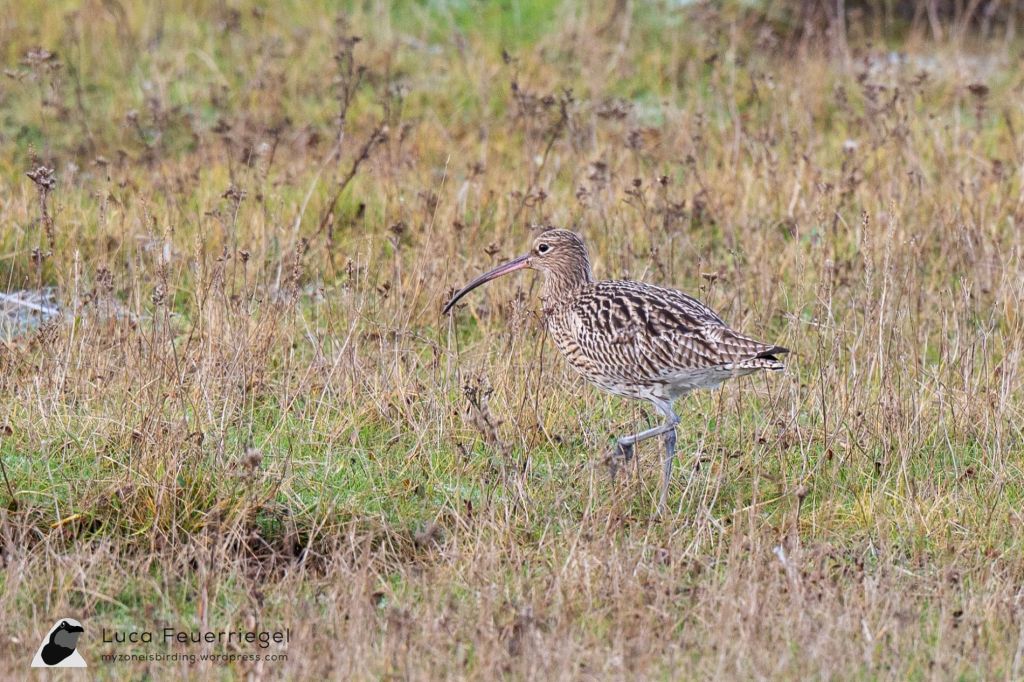
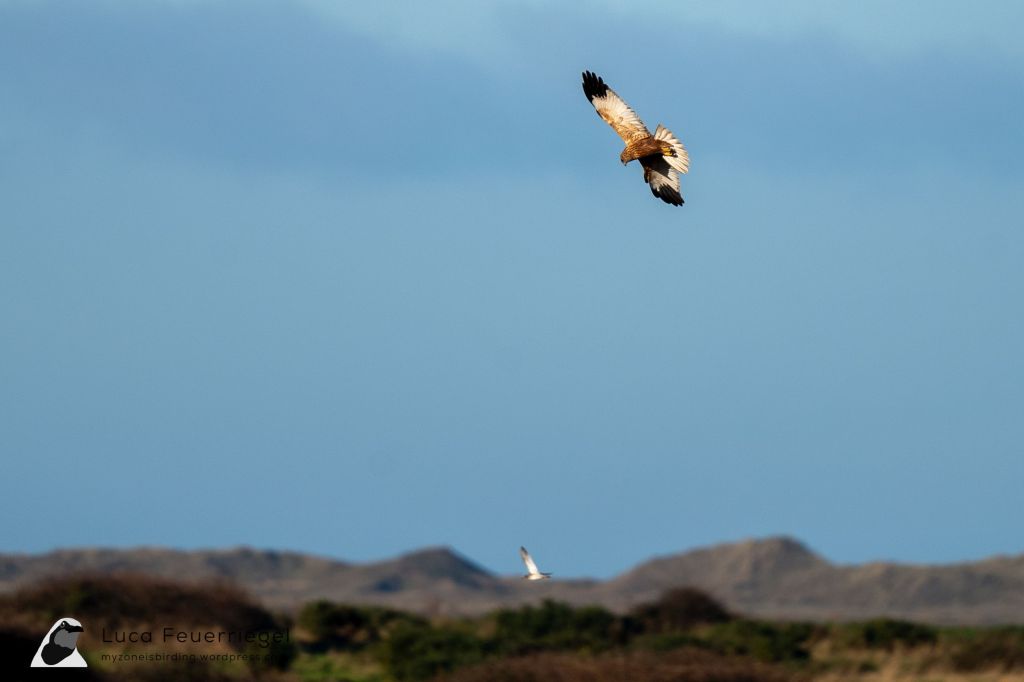
The Long-billed Dowitcher that had been seen in the area was not in evidence, with waders being mainly represented by Northern Lapwing, Eurasian Oystercatcher, Common Redshank, and Eurasian Curlew, with the odd Black-tailed Godwit, Grey Plover, and Dunlin. These occasionally took flight when a Western Marsh Harrier quartered over the reeds. Other raptors were Common Kestrel, Red Kite, and Common Buzzard. Meadow Pipit, Eurasian Skylark, European Goldfinch, and Common Reed-Bunting were some of the passerines not particularly eager about this assembly of birds of prey. Eurasian Wigeon, Eurasian Teal, Northern Pintail, and Common Shelduck dotted the edges of the plentiful small waterbodies.
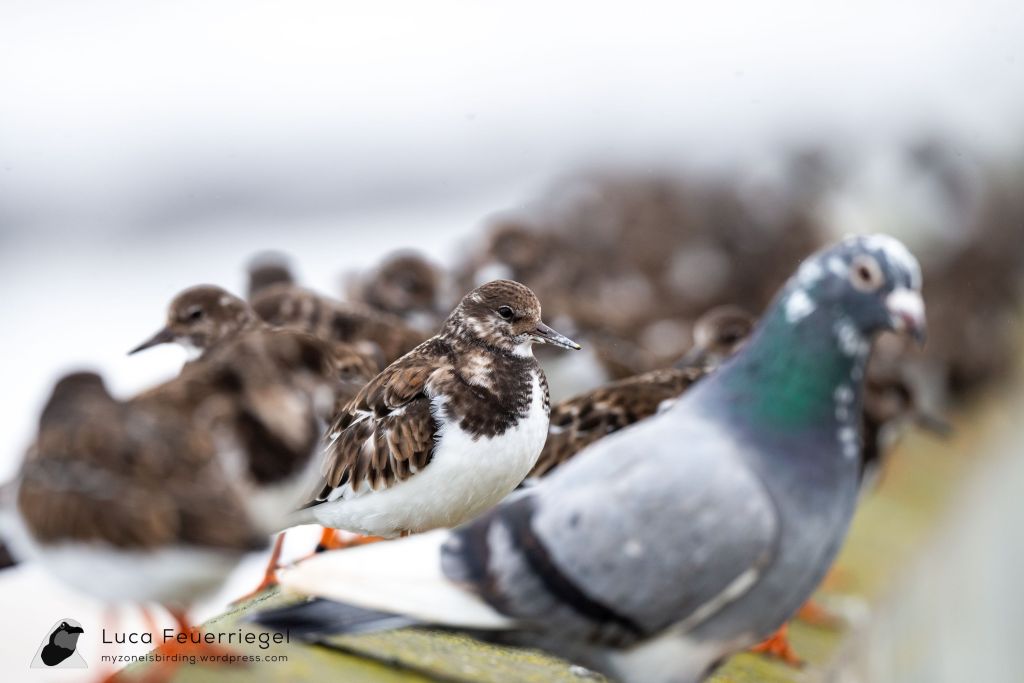
A short seawatching session in Sheringham did not produce anything unexpected. I most enjoyed close views of several Northern Fulmar, and Northern Gannet, Common Scoter, a Red-throated Diver, and Great Crested Grebe were also around. The sea wall in Sheringham held a greater density of Ruddy Turnstones than I’ve ever seen elsewhere. The birds are very tame because they’re routinely being fed by some people who pull up in their car. Not the most agreeable thing, but as always there’s little that can be done about this. Having concluded this, I was content to make the most out of this situation and got out my camera.
Despite being a visit of less than two days, the excellent sightings I had piqued my interest to visit the site during spring or autumn even more than before. Aside from the birds, the large number of fellow birders exploring the area was very enjoyable, providing ample opportunity to exchange knowledge of sightings (with they invariably having more information to share than vice versa). During some times of the year, the area is surely brimming with birders, which in itself would be fun to experience.
 My Zone Is Birding
Wow you did see many species. It helps to be there when many of the migratory birds are there. You saw far more species than we did when we were there years ago a day after Sir David opened a new study section of the centre.
LikeLiked by 1 person
I was quite lucky indeed with my sightings! So cool you visited as well and great that you went to the centre, I didn’t in the end but heard good things about it.
LikeLiked by 1 person
It was really nice to read your latest post and appreciate your photographs from the visit to North Norfolk. You have a wonderfully long list of sightings and some beautiful images too. We saw a Eurasian curlew on our recent WWW to Jaffna and Mannar-so it was nice to see your shot of it from the other side of the world (well, nearly).
LikeLiked by 1 person
Thank you!! Lovely you went on WWW to Jaffna – I still remember that being one of the first things I did after a week of being at OSC, no better way to learn about Sri Lanka!
LikeLike