
A Poya day on a Friday or Monday is always a great opportunity to get out of the city and do some birding. Fortunately, one such weekend was after the four days of school after winter vacation, which meant there was not a lot of schoolwork yet (although it wouldn’t have hurt spending that weekend studying for my mock exams). There are still many birds I would love to see in Sri Lanka, but most species sought after by most birders, both local and international, are particularly alluring to me. Two of these, Sri Lanka Whistling-Thrush and Kashmir Flycatcher, have eluded me so far. The thrush is possible at several sites in the highlands, while the flycatcher is most reliably seen in Nuwara Eliya, so I decided to spend the long weekend birding in three spots in Nuwara Eliya. These spots were Victoria Park (Kashmir Flycatcher, plus other highly sought-after specials), a spot at the forest edge (Sri Lanka Whistling-Thrush), and the horse racing grounds (Pallas’s Grasshopper Warbler). The reason the warbler was one of the targets is that I like the elusive locustella warblers, and plus this one is a rare migrant, with the race grounds being the only spot in Sri Lanka I know of where this has been seen (although undoubtedly it is much more widespread).
As is typical for us, we only booked transport and accommodation at the last moment. This time was quite extreme as we booked both the afternoon before we left. We reserved seats in a NCG Express luxury bus which took quite some searching to find (link), and booked the two nights in St Andrew’s Hotel – much more luxurious than we usually do but we had a big discount, so we didn’t say no to some comfort. The bus ride cost around Rs 600 per person, expensive compared to a regular bus but cheap compared to taking a private car. We initially considered taking the train, but it takes about 7 hours so we opted for a bus instead. The drive took around 5 hours, partly as the route goes via Kandy, but there is no real alternative if you don’t want to take the normal buses.
Day 1
The bus left the Pettah Bus Stand at 5:20. Fortunately, there was no traffic at this time so we got out of the urban area of Colombo quite quickly. We arrived in Nuwara Eliya at around 11:45 and took a tuk-tuk to the St Andrew’s Hotel, where Loten’s Sunbird, Pale-billed Flowerpecker, Common Tailorbird, Scaly-breasted Munia, Yellow-eared Bulbul, Sri Lanka White-eye and House Sparrow frequented the gardens. Since we were too early to check in to our room, we decided to check out the Sri Lanka Whistling-Thrush site I had read about. This site is reached by turning right just before St Andrew’s when approaching the hotel from the town center. The road is called Waterfield Dr. It leads uphill and makes a sharp left turn. At the bend, there is an initially indistinct path that reaches a stream after about 20m and follows it up the hill, crossing it and later ending at an obvious weir with a tiny building (6.982121, 80.765755). This is the spot where the whistling-thrush has been seen (Hans Matheve, trip report). The path (called Waterfall trail by Hans Matheve) goes on from here on the opposite side of the stream but is very steep.
On the way up, we saw Indian Jungle Crow, Indian Swiftlet, Yellow-eared Bulbul, House Sparrow, Oriental Magpie-Robin, Green Warbler, Orange Minivet, Sri Lanka White-eye and Pale-billed Flowerpecker. When we arrived at the top weir, an owl flew overhead above the stream, probably accidentally flushed by us from a nearby tree. Although I didn’t see it again, the features I noticed were enough to clinch its ID – Brown Wood-Owl, my first lifer for the trip.
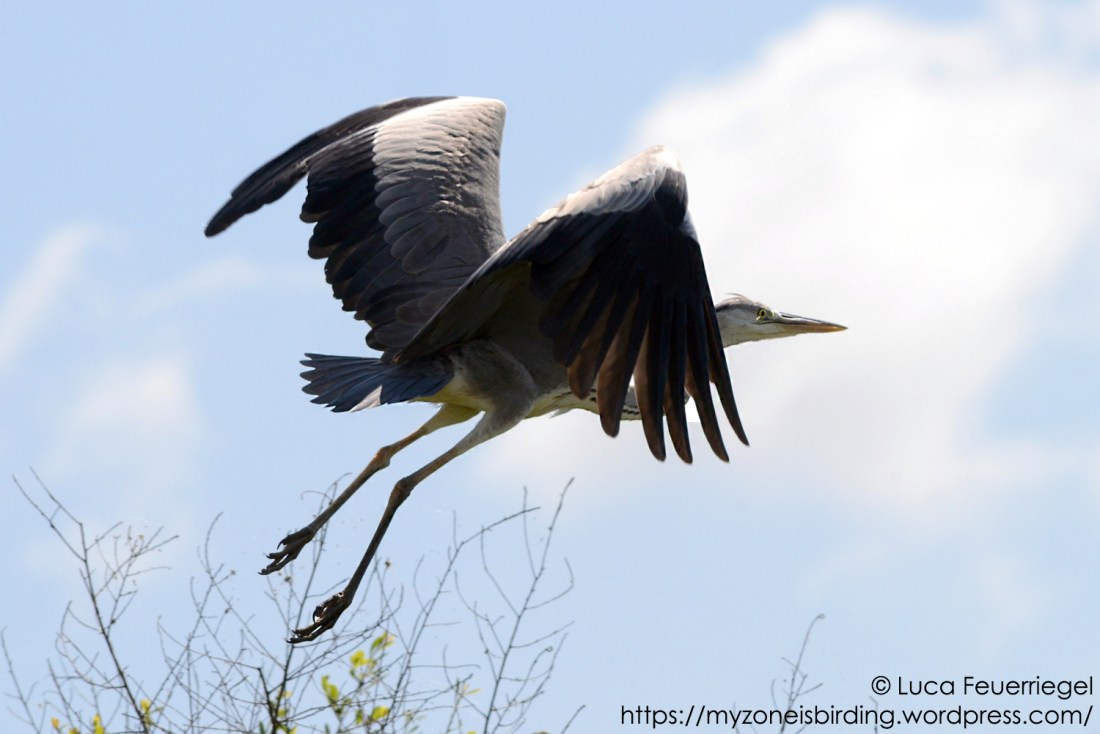
We returned downhill and since we were quite hungry by now, decided to go to the Grand Indian for lunch, which had delicious food. After lunch, my mother returned to the hotel while I checked out the race grounds before going to Victoria Park. I went to the south-western corner of the track and found the path that leads through the large reedbed, but there was a section of water too wide for me to jump over, so I looked for another entry point. While searching, I saw White-bellied Sea-Eagle, White-breasted Waterhen, Little Egret, Grey Heron, Indian Pond-Heron, many Pin-tailed Snipe, Zitting Cisticola, Grey Wagtail, Brown Shrike, Red-wattled Lapwing and Pale Prinia at an open area of water that can be accessed just north from where the reeds go right up to the track (6.962867, 80.770916).
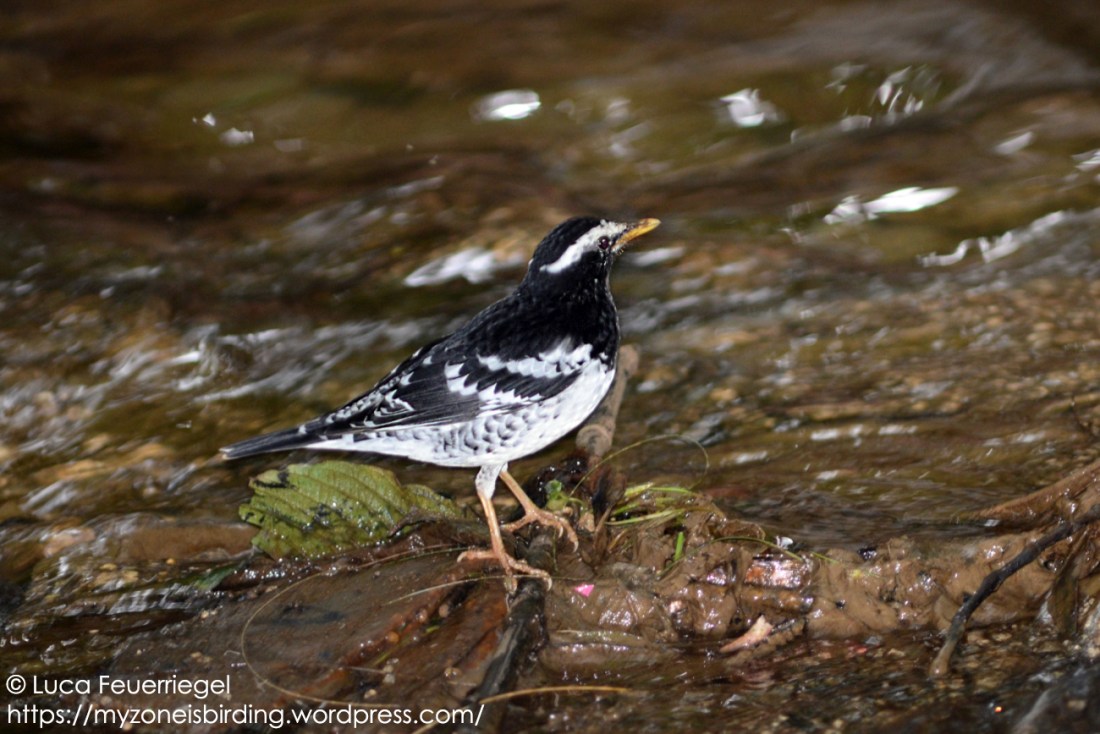
I continued to Victoria Park where, after paying the local entrance fee of Rs40 (Rs300 for foreigners) I slowly walked northwards along the stream. This very polluted waterway leads along the western side of the park before crossing it and leaving at the north-eastern corner. I immediately bumped into a huge Rat Snake and not long afterwards, saw a big individual of its eponymous prey species. Along this section I saw Rose-ringed Parakeet, Velvet-fronted Nuthatch building a nest, Forest and Grey Wagtails, Green Sandpiper and Indian Pond-Heron and a young Crested Hawk-Eagle perched in a bush just meters from me before flying off. After checking the eastern and northern edges of the park (which are good for Indian Pitta) without success, I waited at the spot where the stream turns sharply to the east (a few meters west of where the bridge crosses the stream). This was where I saw the Pied Thrush last year. A flycatcher turned out to be Grey-headed Canary-Flycatcher, but it was immediately chased away by another small bird. Checking with my binoculars showed that it was a female Kashmir Flycatcher, first target in the bag, second lifer for the day, and a super cute bird with a distinct black-and-white tail and slightly orange chest. Just seconds later, a male Pied Thrush popped out into the open and I could observe it at close range for quite some time, followed by at least three more males and a female! I continued to the north-eastern corner of the park (where Slaty-legged Crake has been seen) and saw an Indian Blue Robin. I heard two Indian Pittas calling from the tall trees along the eastern end of the park but couldn’t spot them, although I did see another female Pied Thrush high up in a tree.
After this big success, I walked back to the hotel and relaxed a bit in our comfortable room. In the evening, we did the frog-watching tour I did one year ago while on a school trip. Unfortunately, it was very cold and dry and we ended up seeing only two species, Small-eared Shrub-Frog and Montane Hour-glass Frog, quite disappointing compared to last year when I saw all possible species (the guide said that was the only time he saw all species in one evening). We had a great buffet dinner at the hotel, before returning to our room and enjoying a good sleep in much more quiet surroundings than in Colombo. Most of the frogging is done in the small artificial wetland north of the hotel buildings (past the vegetable gardens and still within the grounds), where Sri Lanka Bush-Warbler can be seen according to the guide, who knows the local birds very well.

Day 2
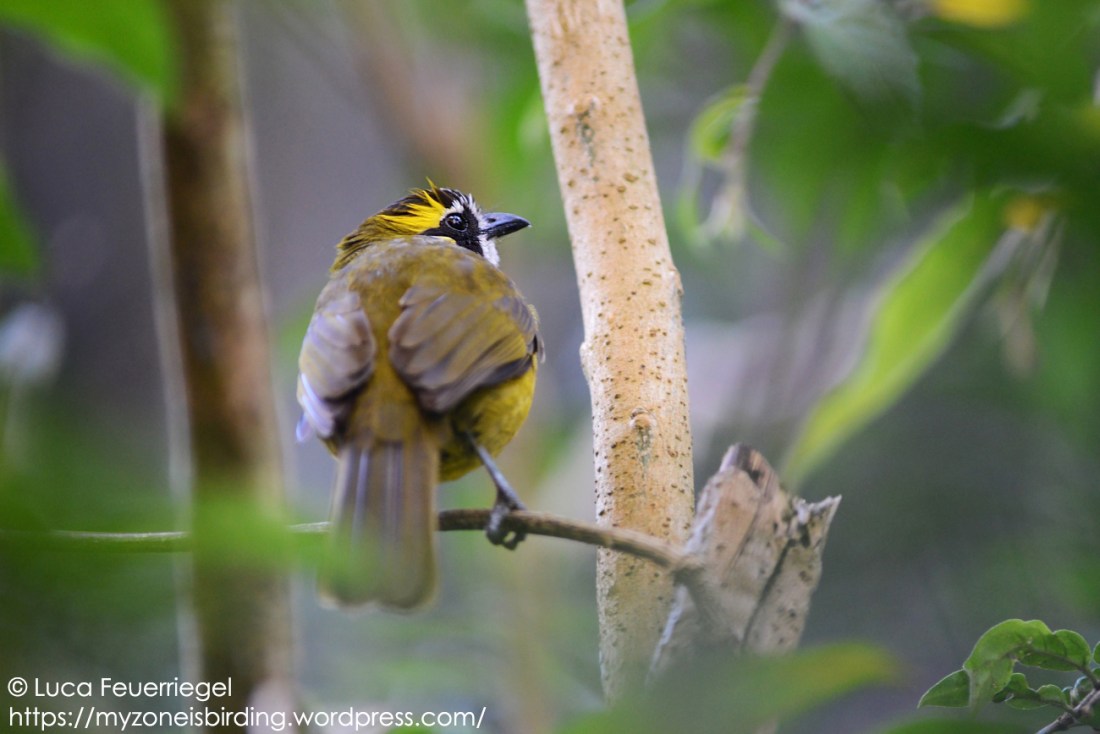
My alarm woke me at 6:00 and I headed up Waterfall trail, reaching the spot at 6:30. Leaning against the wall of the small house, I was scanned intensely the thick undergrowth for movement. At around 7:00, I saw a small plant moving and a Sri Lanka Whistling-Thrush flitting through a gap in the vegetation. All I saw afterwards were the briefest of glimpses of the male flitting between plants before it disappeared. Happy that I got my second target, I stayed around for a little longer hoping for better views, but then the cold got the better of me and I returned downhill, stopping for a pair of Bar-winged Flycatcher-Shrikes.
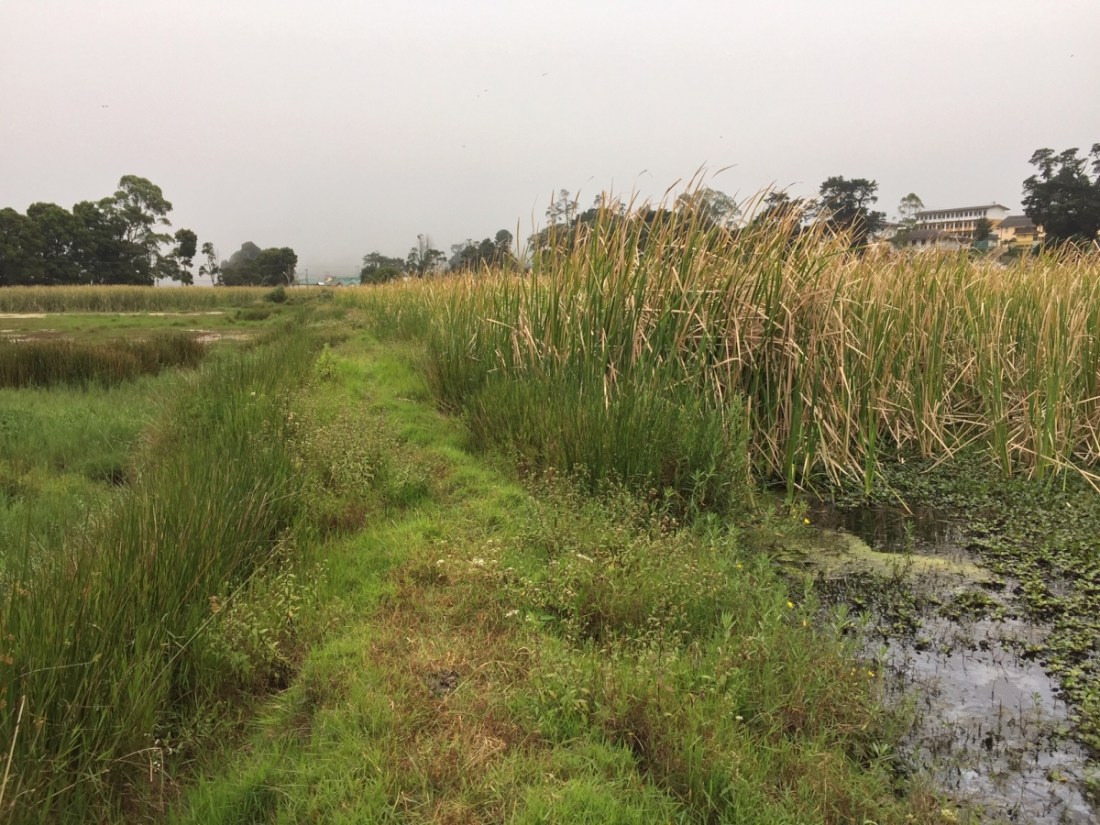
Very satisfied, I ate breakfast with my mother before we got our equipment again and headed out to the race grounds. We tried to find ways to cross the water to get access to the path leading right through the reed bed, but after failed attempts to pile rocks over each other, we decided to look for another spot. My mother suggested to check accessing the reeds from the middle of the race grounds again, and thankfully so, as we found a place where one gets onto the other side of the same path (6.963107, 80.769896), although there were also some places we had to jump across. Here we saw Yellow Bittern, many Pin-tailed Snipes, Hill Swallow, White-throated Kingfisher and all the herons, etc. seen the day before. This spot looked promising for Pallas’s Grasshopper Warbler. Paddyfield Pipits were hopping over the short grass in the middle of the race grounds.
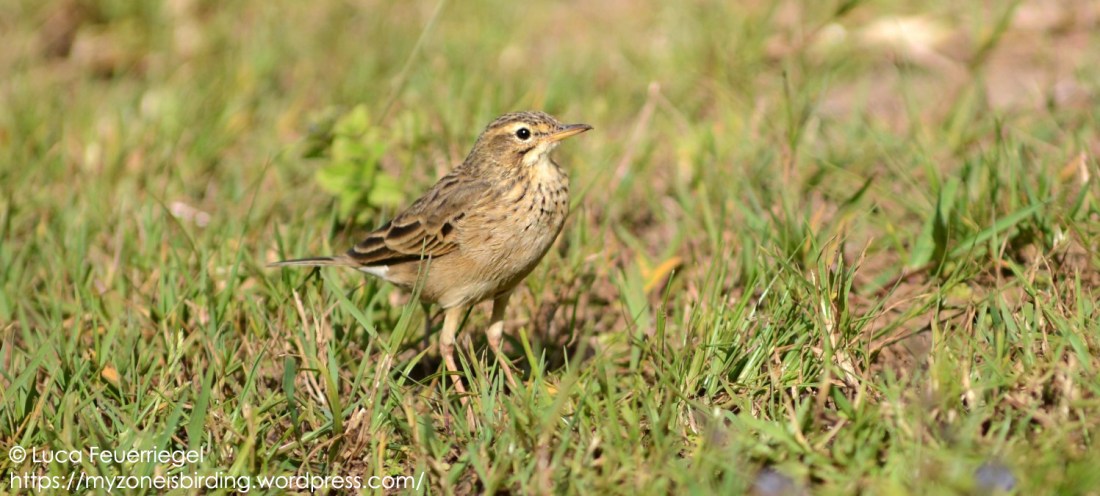
We continued to Victoria Park, walking along the stream again. By now it was midday, so I did not have high expectations, but we enjoyed watching a Brown-breasted Flycatcher and got very brief views of more Pied Thrushes both here and later good looks at two birds at the north-eastern corner. We also saw both Kashmir Flycatcher and Grey-headed Canary-Flycatcher again at the exact same spot as the day before. We ate lunch at the small restaurant on the park boundary at the northern entrance before returning to the hotel to relax for a while.
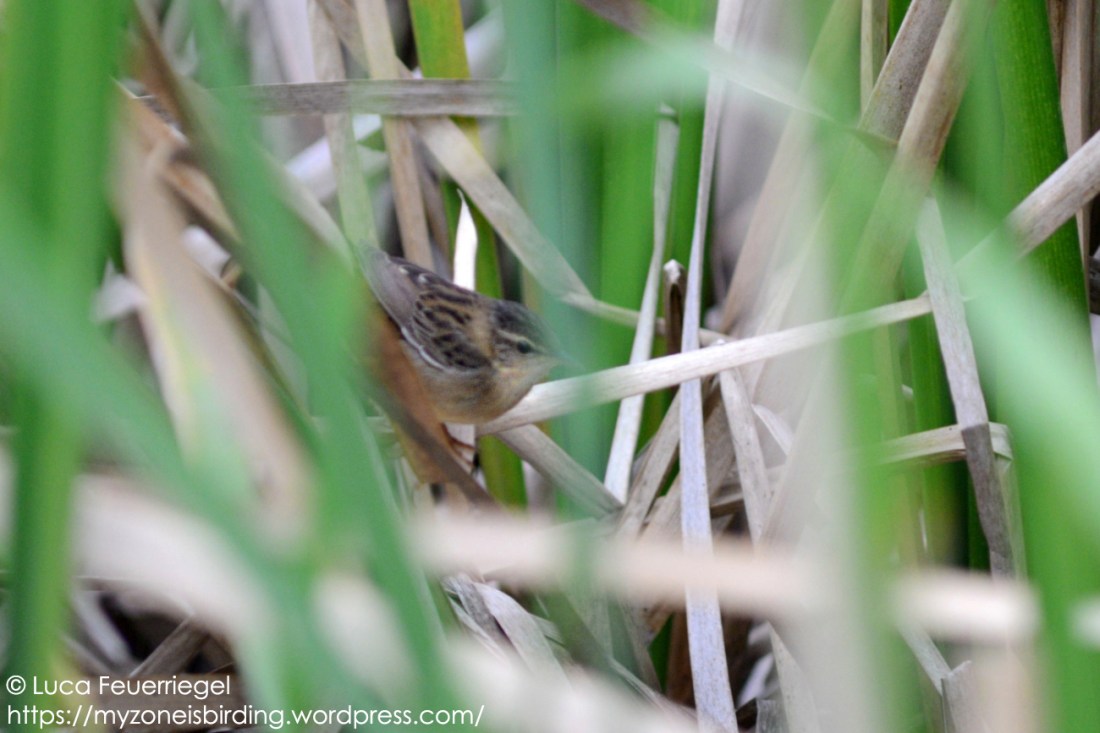
At around 16:00, I walked to the race grounds again while my mother decided to stay at the hotel. The sky was dark grey and I feared that it would start raining – I forgot to bring any rain gear and was quite a large distance from any cover. I went onto the path through the wetland we found earlier, seeing all the species we saw before in addition to a pair of Grey-headed Swamphen and Great Egret. I walked the path as far as possible without seeing the warbler, although my heart jumped at what turned out to be mice scuttling around the base of the reeds. By now it started drizzling so I packed away my camera and slowly walked back along the path. About halfway back, where reeds go right up to one side of the track, I noticed some movement and spotted a bird with a distinctive shape and color. It turned out to be a Pallas’s Grasshopper Warbler that gave me very satisfying (for locustella warblers!) and extended views as it foraged just a few meters from me. It was not shy and only flitted back to cover when I pressed my shutter (it was still drizzling slightly but that didn’t matter to me at the moment).
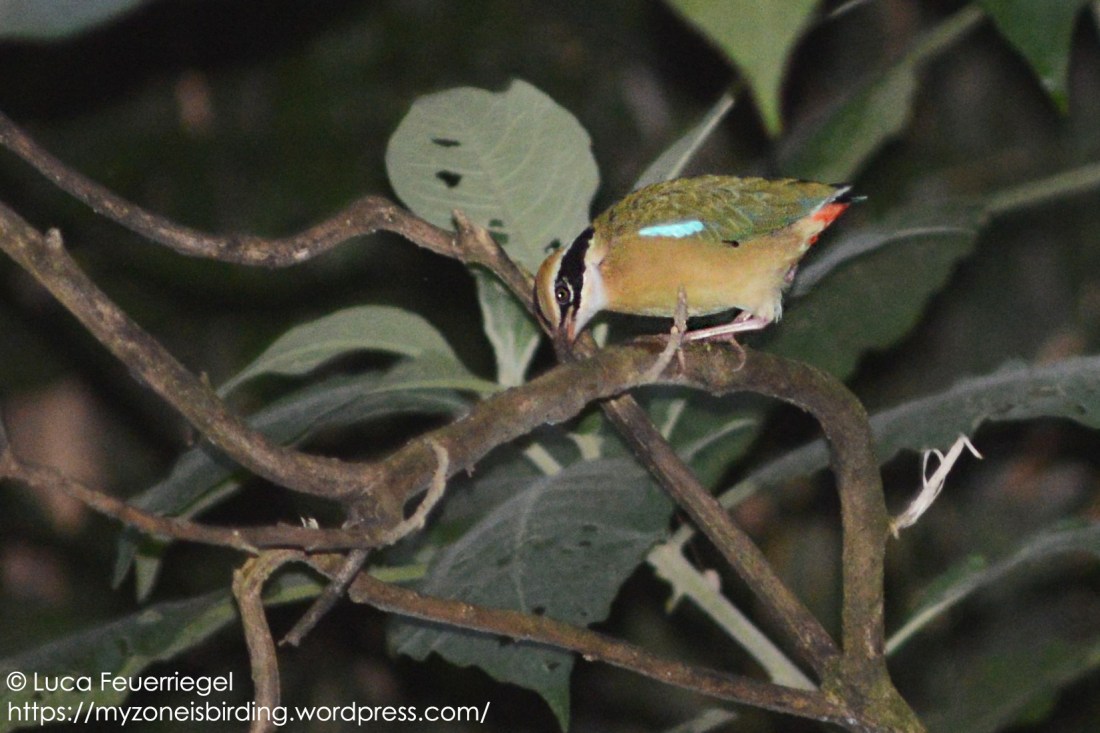
I was both astounded and satisfied that I saw all three targets in two days (even in one since I saw the Kashmir Flycatcher just a few hours earlier as well), and continued to Victoria Park, which closes at 18:30. Spending an hour in the park, I saw several Pied Thrush (which by now seemed to be one of the most common birds here!) and finally an Indian Pitta at dusk that gave beautiful views through my binoculars. What a great last bird to round off an intensive but very rewarding day.
Day 3
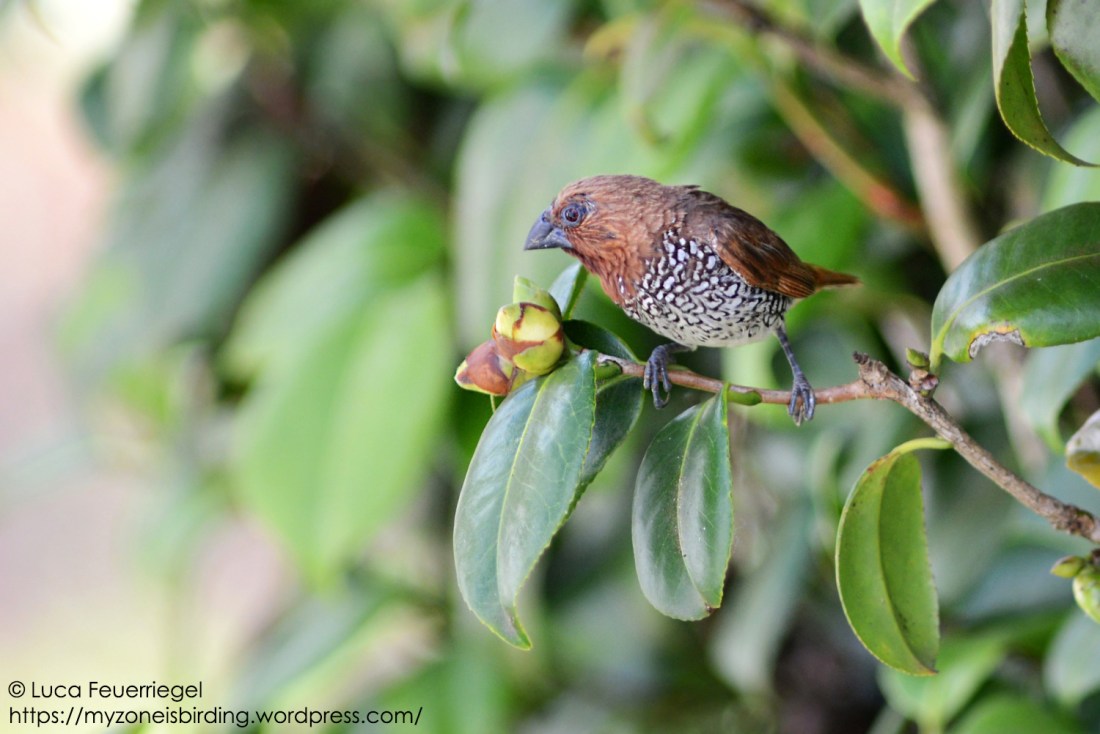
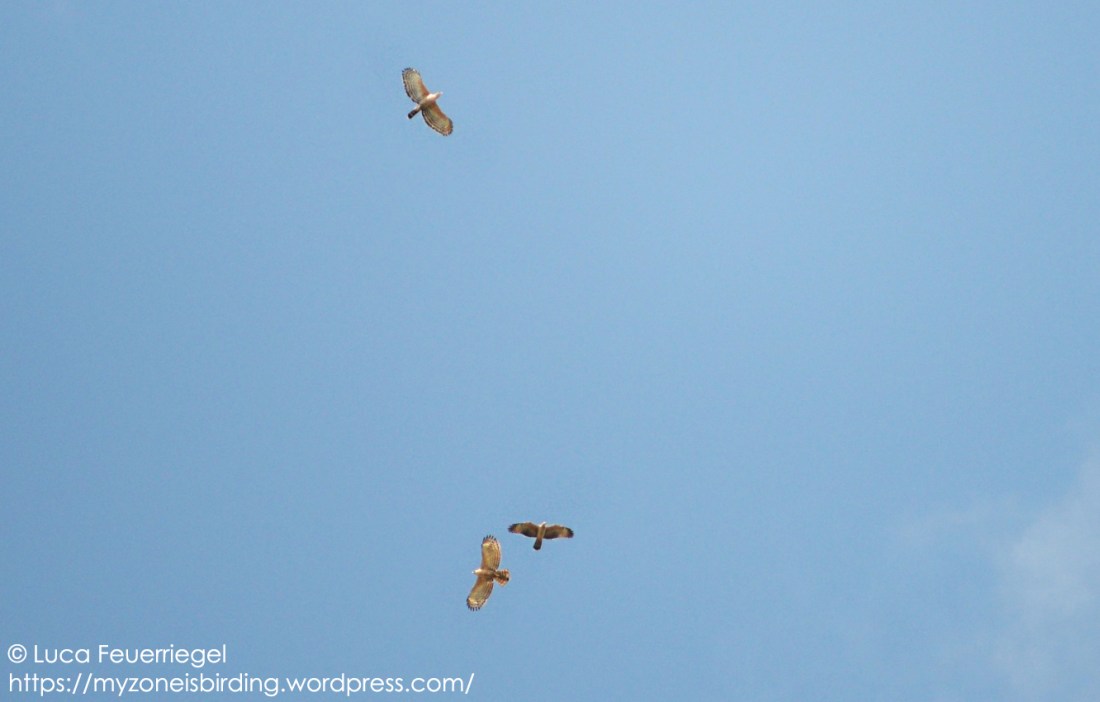
Given that I had seen all my targets, we decided to have a lie-in this morning, which was also great for a change. After I watched a Scaly-breasted Munia from our balcony as it was building a nest, we left our room at around 8:00 to take a relaxed walk along the Waterfall trail. We did not see anything new apart from a Cinerous Tit, but had Orange Minivet and Bar-winged Flycatcher-Shrike again, while a Brahminy Kite and another unidentified medium-sized raptor were circling high overhead, with a large number of Indian Jungle Crows in hot pursuit. After breakfast, we packed our bags and waited for a tuk-tuk to bring us to the bus stand. While waiting, I spotted my fourth lifer for the weekend, two Legge’s Hawk-Eagles circling above the hotel alongside an Oriental Honey-Buzzard – an unexpected end to an intensive but incredibly fun and productive weekend.
The bus drive back was much more relaxing than the drive up the mountains, partly because the bus was more comfortable (it also had seat belts, a rare luxury in Sri Lanka – in buses and taxis alike). Nonetheless, it took around 6 hours, so in the end we were very happy to arrive back home. Despite from having such success with the birds, the trip was great because of the pleasant weather – apart from one afternoon, the sun was shining all the time. After having seen the whistling-thrush, it turned out that I have seen all but one of the endemic species on the island. For the final one, Sri Lanka Thrush, I hope to be able to visit Sinharaja again in the near future…
 My Zone Is Birding
Congrats on finding the Kashmir Flycatcher and Grasshopper Warbler 🙂 The Scaly-breasted Munia and Indian Pitta look beautiful! Would love to see them myself.
LikeLiked by 1 person
Thanks!
Yeah it was great seeing them. Quite surprising that I didn’t see the Kashmir before given that I’ve been in Nuwara Eliya several times now. The Munia is actually very common – I see them every day when I cycle to/ from school.
LikeLike