
Over my roughly four-week winter vacation, my brother came from Germany to visit us with his family. We spent most of the two weeks we had together at the beach in Dickwella, which was thoroughly enjoyable. The beach itself is very scenic, and much less busy than more popular places like Mirissa, while our accommodation, Kolition Villa, was perfect. The owner, Suri, was interesting to talk to and very welcoming. Although most of the time was spent swimming, relaxing, and enjoying the company of my brother, whom I haven’t seen for nearly two years, my brother did a whale-watching tour in Mirissa, where they were successful at seeing Blue Whales and Spinner Dolphins, with the same company I used with my parents a year ago, Raja and the Whales.
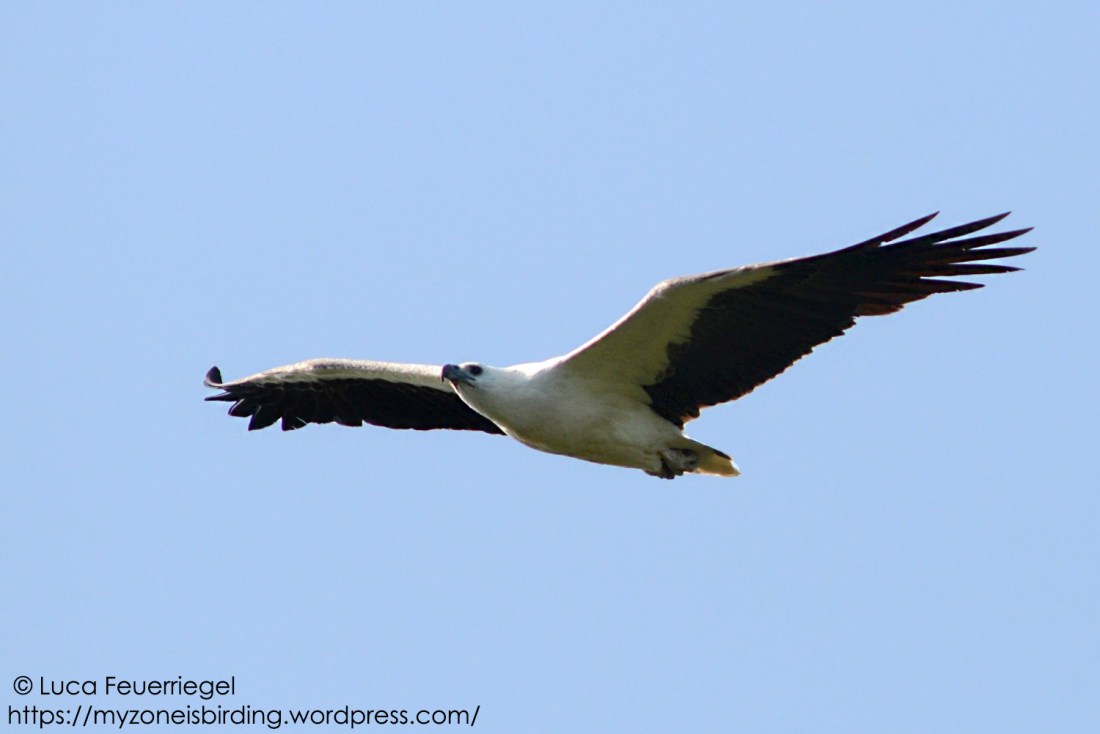
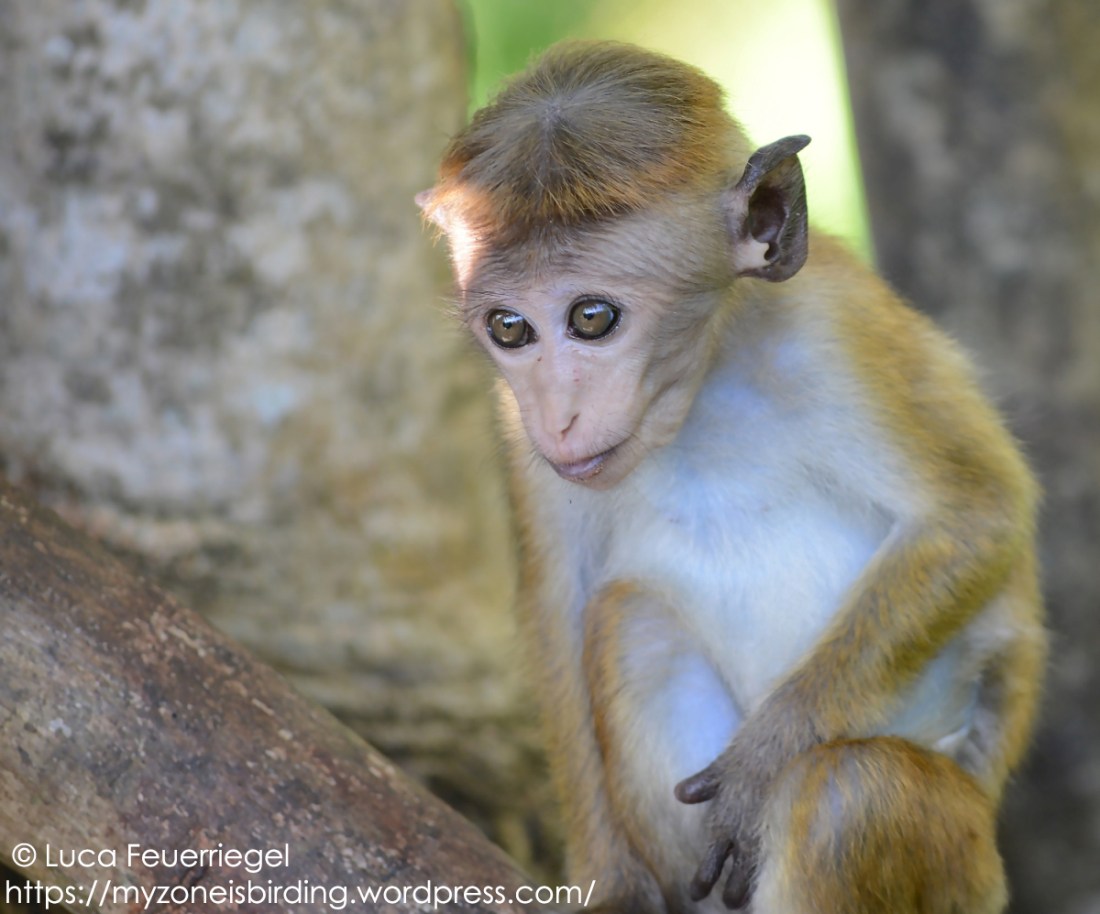
We also visited the Mulkirigala Rock Monastery, which was particularly worth it for the view on the top. The guide we had was unfortunately either not very knowledgeable or not proficient enough in English, since he couldn’t explain much of the symbology of the cave paintings (be sure to negotiate a price with a guide if you want one – we agreed to pay Rs 1500 although he initially wanted Rs 2000). Some birds seen here were Oriental White-eye, White-bellied Sea-Eagle, Crested Hawk-Eagle, Crested Serpent Eagle and Peregrine Falcon, while an Alpine Swift was a species I hadn’t seen before in Sri Lanka. Toque Macaques occupied the start of the steps and included some cute young individuals.
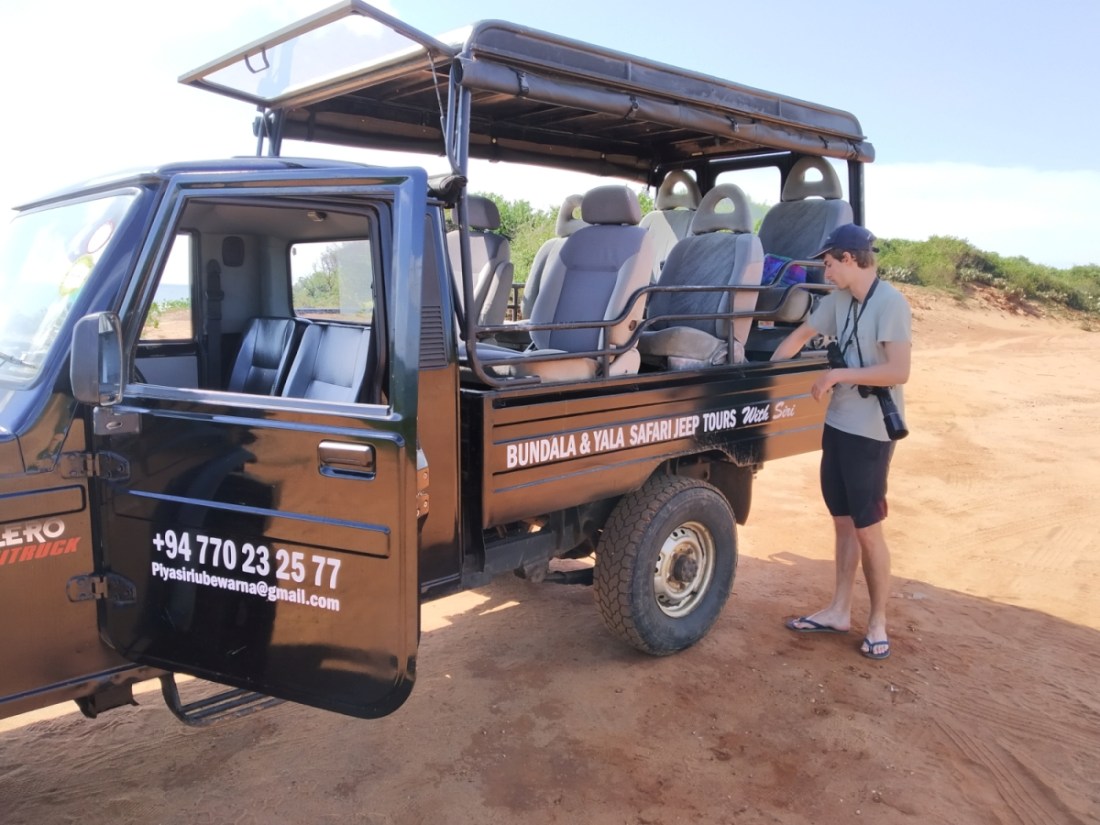
The main birding I did was when I visited Bundala National Park with my mother for a morning. We organised a driver with Suri from our accommodation, who picked us up at 6:00, since we somehow thought it was a 30-minute drive to the park. The drive turned out to be much longer and we only arrived at the park at around 7:30, already quite late for birding in this climate. On the way we saw many common birds, such as herons and egrets, Lesser Whistling-Duck, Black-headed Ibis, Painted Stork, Greater Coucal, Indian Peafowl and Green Imperial Pigeon. At the junction that leads to the park from the main road we continued with Siri, a guide and driver who took us around the park in his jeep. Siri was very knowledgeable of the birds and spoke good English, charging a rather large sum of Rs 6000 for the four hours we spent in the park.
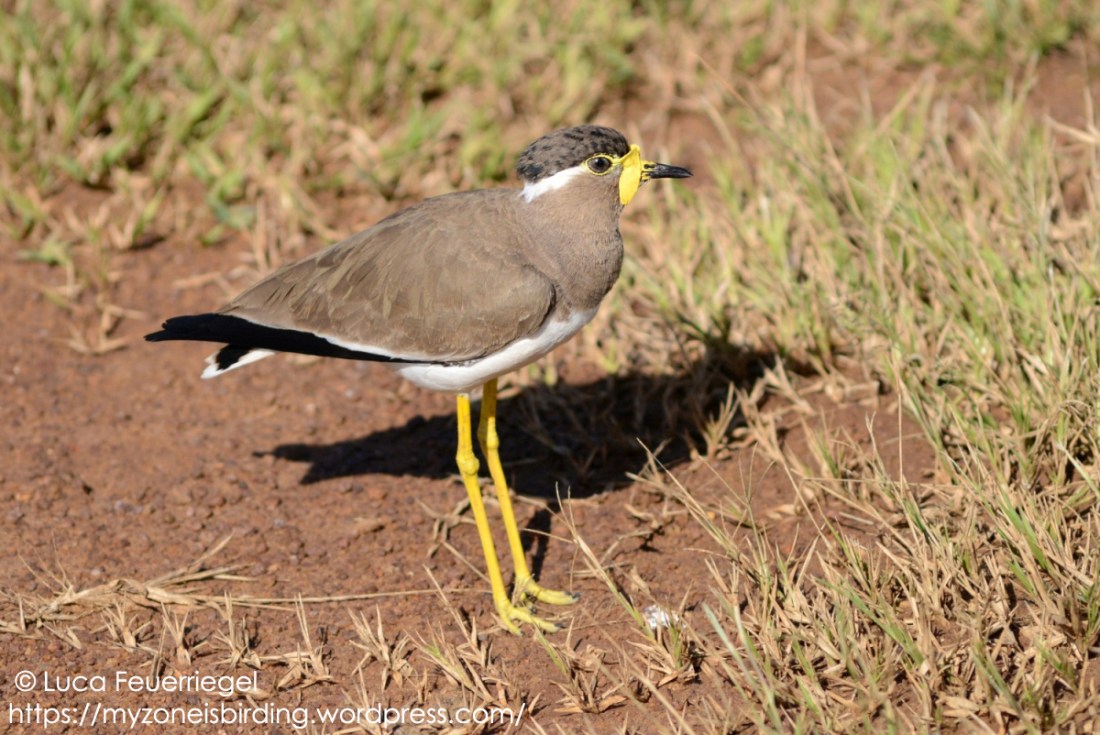
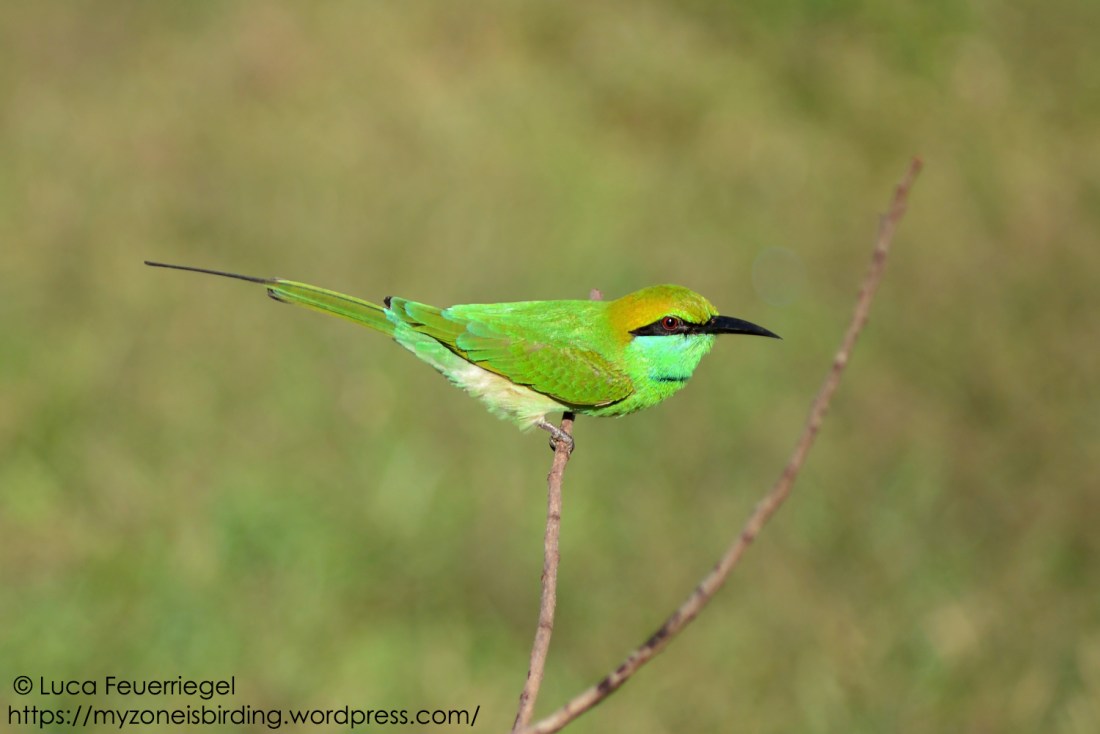
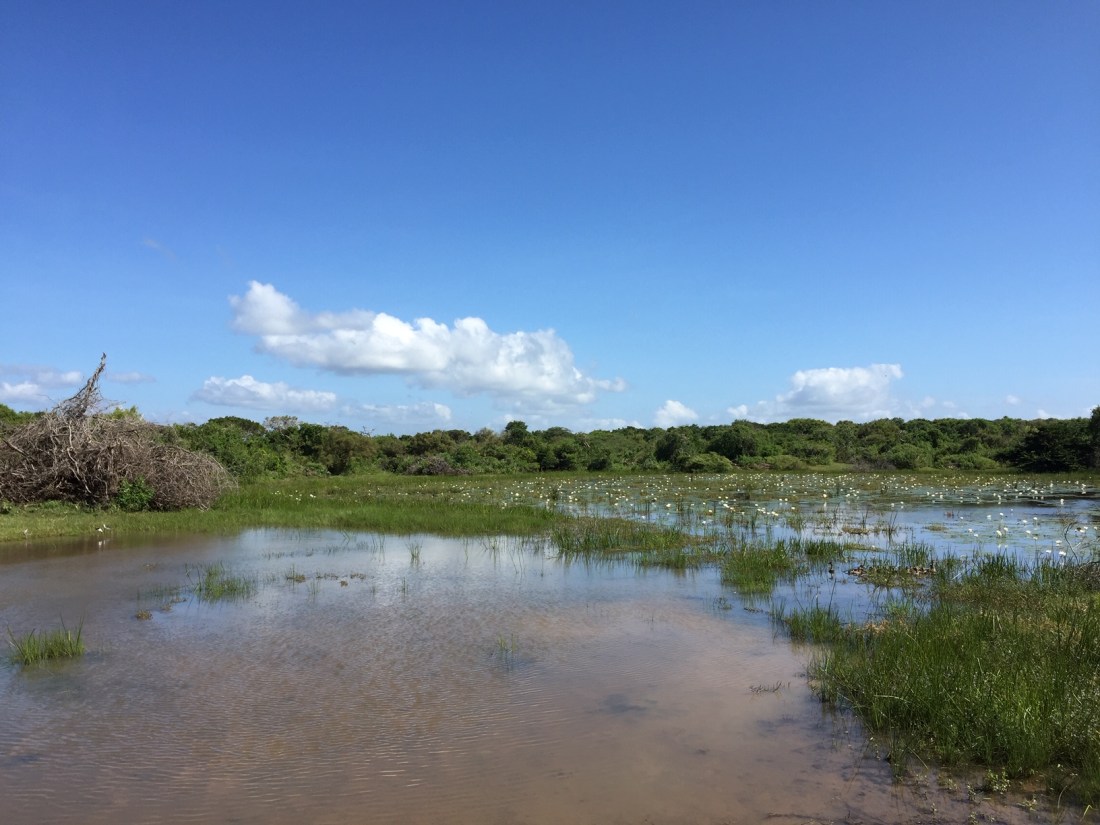
The large wetland leading from the main road to the main gate had very good birding, possibly because it was the only location we were at before it got too hot. Lesser Whistling-Duck, Grey-headed Swamphen, Red-wattled Lapwing, Oriental Darter, Indian and Little Cormorants and many other widespread waterbirds were abundant. We also saw Tricolored Munia, Common Kingfisher, Green and Blue-tailed Bee-eaters, Plain Prinia, Yellow-wattled Lapwing, Marsh Sandpiper, Black-tailed Godwit and Common Redshank. This area also yielded my only lifer for the trip, a Clamorous Reed-Warbler. The warblers were calling all around the road, particularly in areas of reeds. Unfortunately we didn’t see the hoped-for Watercock or any rare migrants.
Upon arrival at the main gate we paid the entrance fee, which was much higher than it should be because we forgot my passport and so I had to pay the foreigners fee, which is Rs 1811 (Rs 1811.40 to be exact!) compared to the Rs 40 for residents (excluding VAT and service charge). Around the gate, I saw Purple Sunbird and Jerdon’s Leafbird. We continued on to a second gate, where our guide showed our tickets to members of the park staff and House Swifts were nesting in a small building. All in all, you lose quite some time in the entire process, so if you want to enter the park itself as early as possible, be there as early as possible.
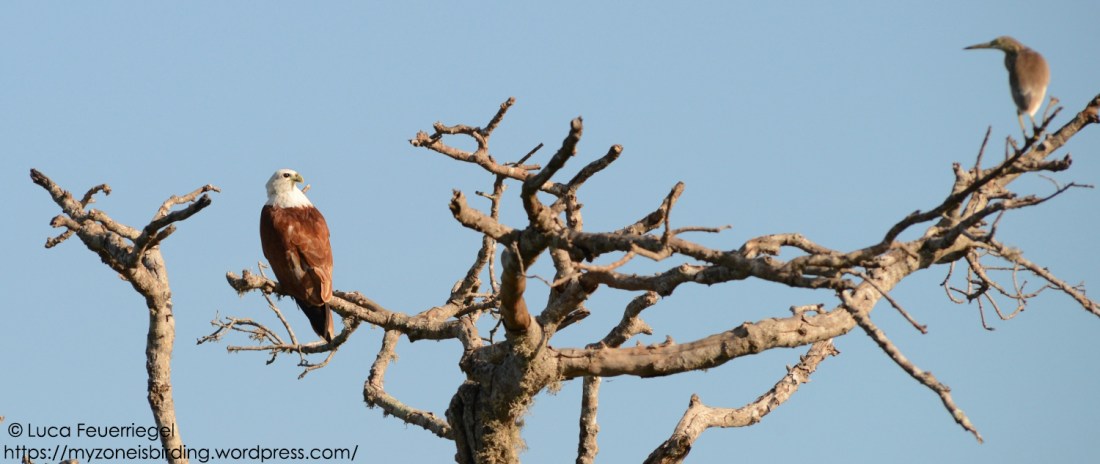
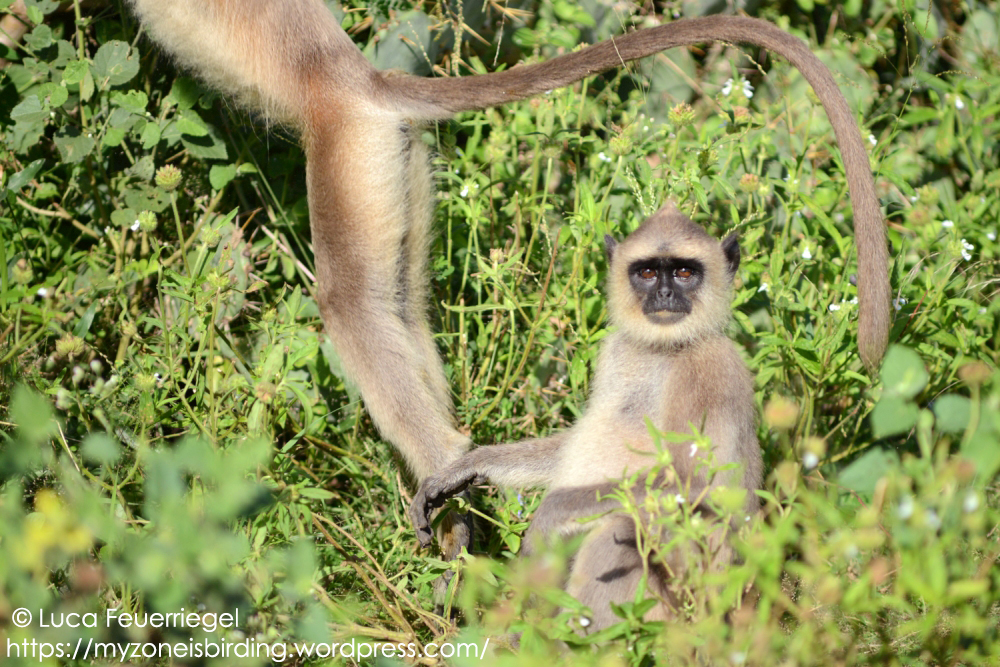
Most of the park is covered by beautiful dense thickets dotted with Palu trees which reminded me of Leadwood trees back in South Africa. Bee-eaters were abundant here, and we added Chestnut-headed Bee-eater to our list. The thickets held Sri Lanka Junglefowl, White-browed and Red-vented Bulbuls, Brahminy Kite, White-bellied Sea-Eagle, Grey-headed Fish-Eagle, Jacobin Cuckoo, Blue-faced Malkoha, Black-headed Oriole, Orange-brested Green-Pigeon, Brown Shrike, Indian Robin, and other common and previously seen species. Families of Grey Langurs were fun to watch. The thickets are excellent for Indian Pitta, but we didn’t hear any.
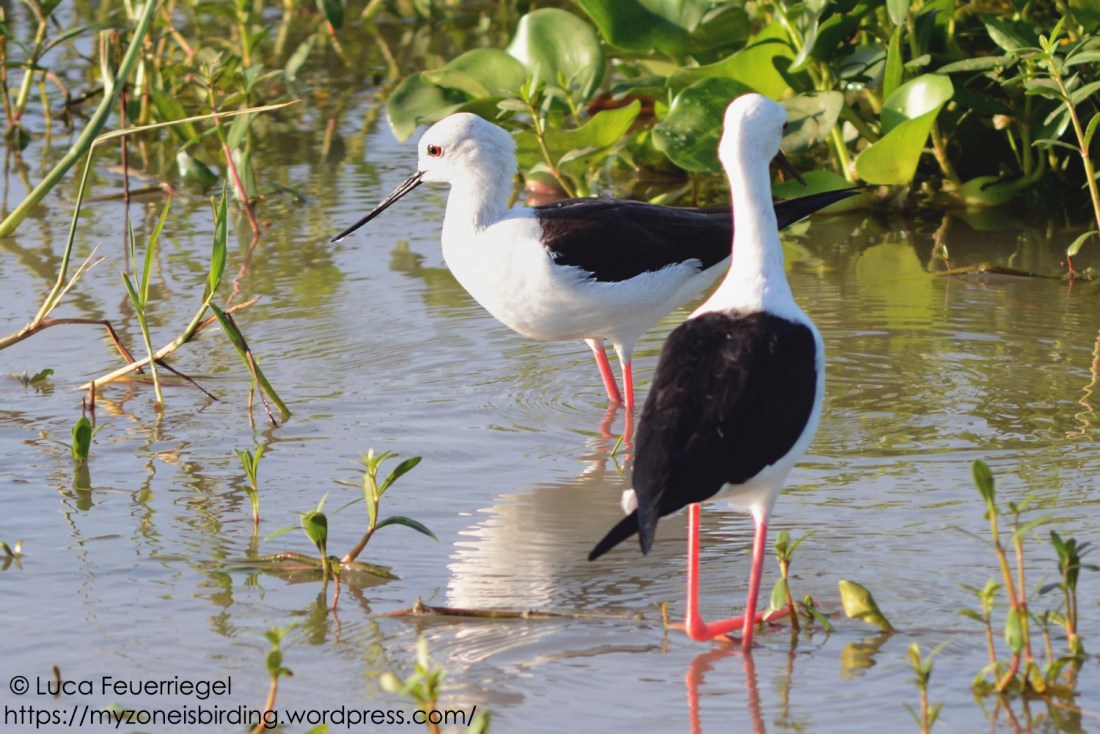
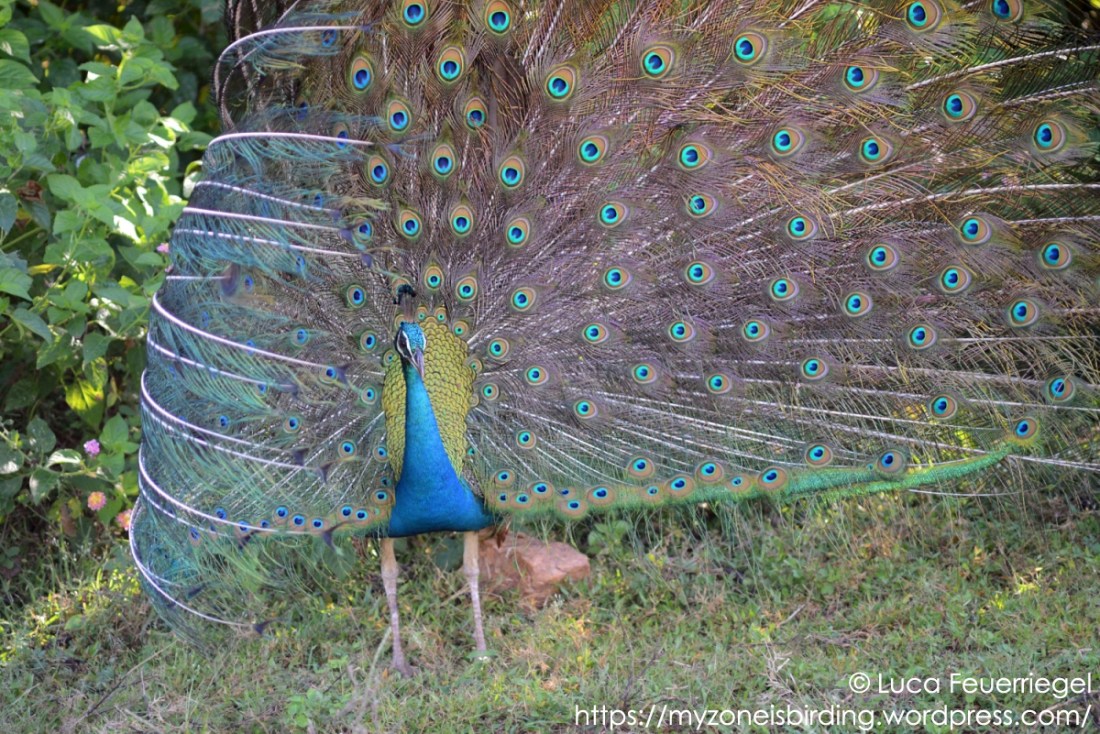
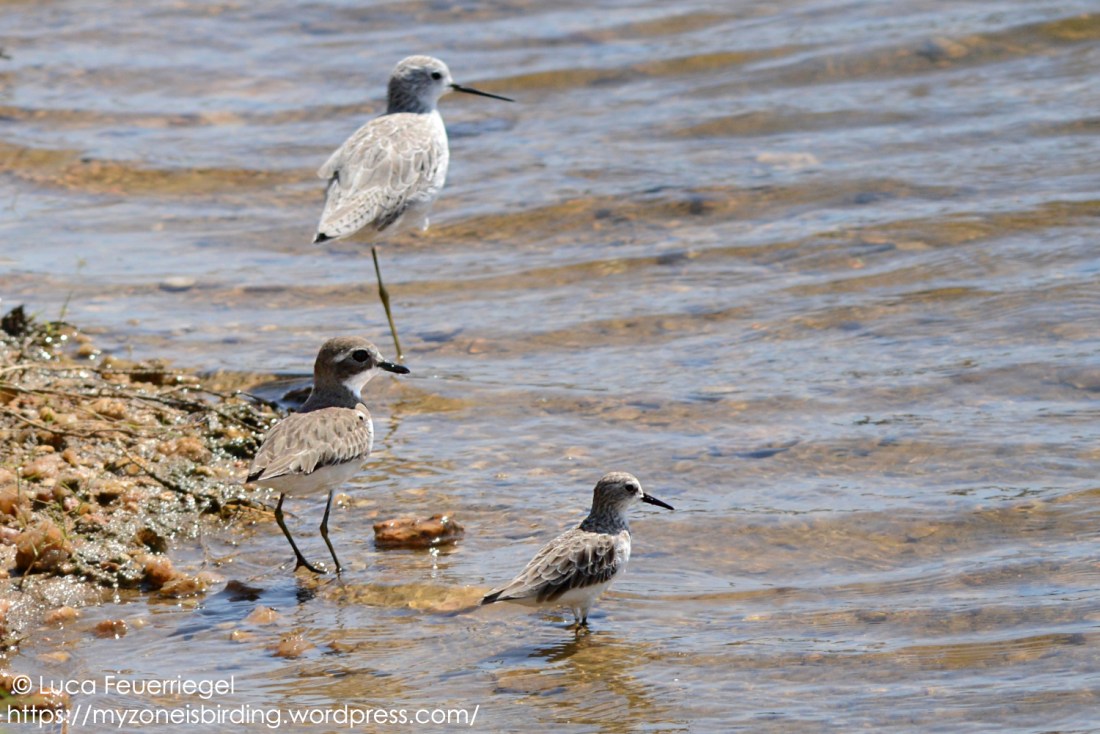
More open and muddy areas had quite a few waders, such as Pin-tailed Snipe, Pacific Golden Plover, Indian and Great Thick-knees, Common Greenshank, Marsh Sandpiper, Lesser Sand Plover, Little Stint, Black-winged Stilt and Common and Wood Sandpipers. Open-country species seen here included Rosy Starling, Paddyfield Pipit, Yellow Wagtail, Jerdon’s Bushlark, Oriental Skylark and Sri Lanka Swallow. We were lucky to watch a male Indian Peafowl displaying close to the road. At one point, the road borders a large reedbed, where I saw a raptor in the distance that turned out to be a likely Eurasian Marsh-Harrier based on a rather blurry record shot, a rare migrant in Sri Lanka.
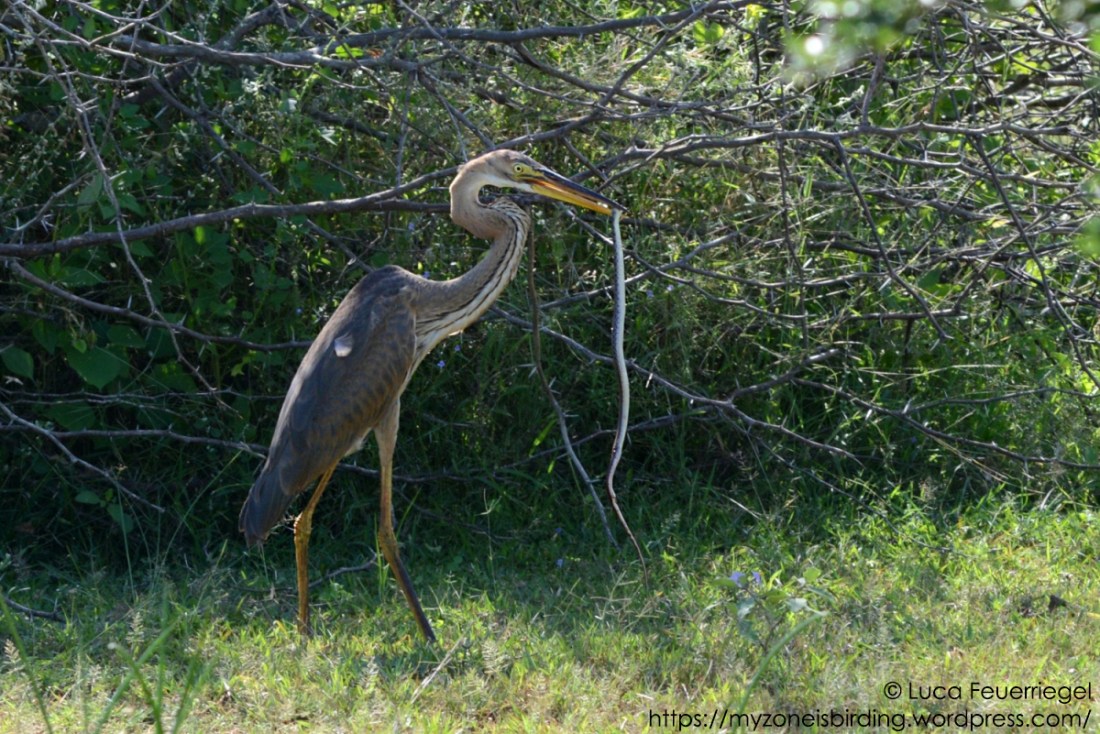
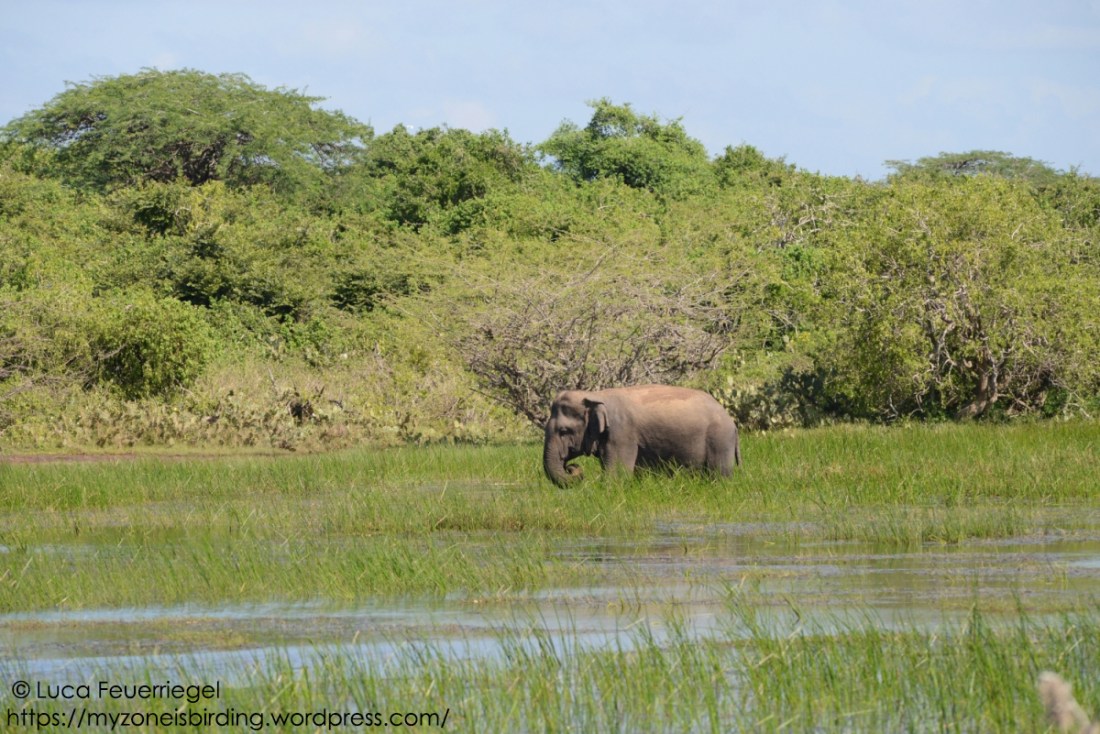
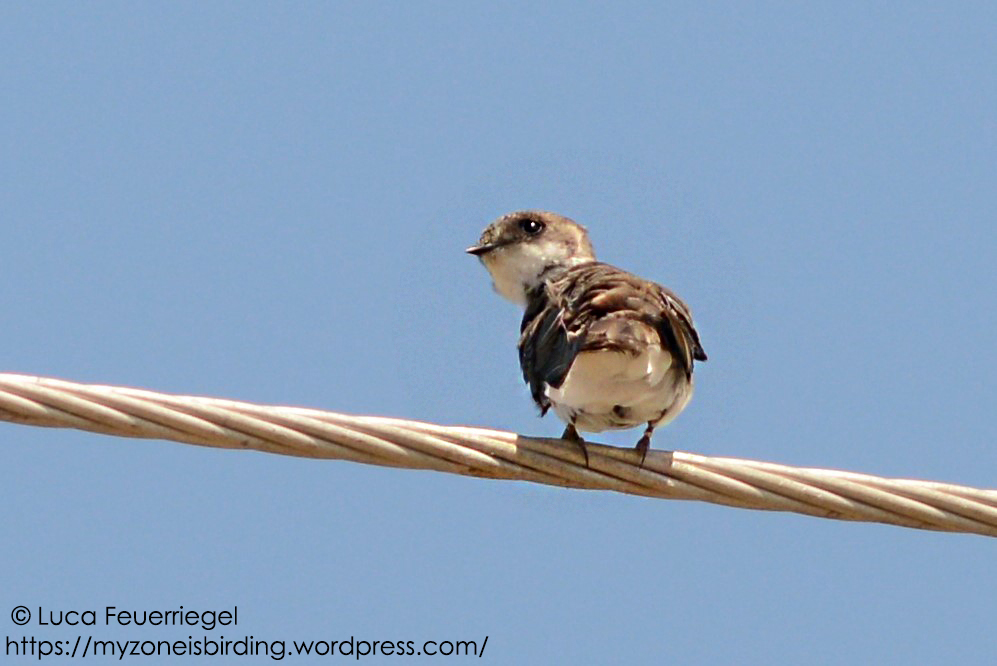
The salt pans were a bit disappointing after having heard of their potential in turning up rare species. Quite a few species of terns were around, most commonly Caspian, Lesser and Great Crested and Whiskered Terns, but also one Little Tern. I hoped for Red-necked Phalarope, Small Pratincole and some rare migrant waders, but unfortunately was unlucky in that regard. However, Curlew Sandpiper, Ruff, Grey Plover and Ruddy Turnstone were not seen in other areas of the park. Pied Kingfisher and were also around, while a flooded area in thickets close to the salterns had a Black-crowned Night-Heron and Eurasian Spoonbills. We also saw a single Asian Elephant in this area, and another great sighting was a Purple Heron that caught a snake. On the way out of the park, we saw four Sand Martins in a group of Barn Swallows. These are very rare migrants and were nice to see.
The park is quite scenic, especially the thickly vegetated area and a viewpoint overlooking the sea, with the area behind the beach covered in natural vegetation which is very rare to see in Sri Lanka. In terms of birds, I saw a few good species but expected some more specials, such as rare waders or other migrants, as well as dry-zone species. The park definitely requires a longer stay to fully experience the birds it has to offer.
 My Zone Is Birding
Great post, Luca!
It seems that Bundala is a really nice place, and is it worth visiting more than once?
Was it you standing beside the Jeep? So what lens are you using now?
LikeLiked by 1 person
Thanks! Yes, Bundala NP has some great potential in terms of migrant birds and rarities.
Yea that’s me, at that point we were taking a break at a viewpoint with impressive views over the coast. I am currently using an old Nikon manual focus lens (300mm) from my father.
LikeLike
Great article and helpful information for a visit to Bundala National Park.
Thanks!
LikeLiked by 1 person
Thanks! Bundala really is a great place, there are so many species that can be seen.
LikeLike