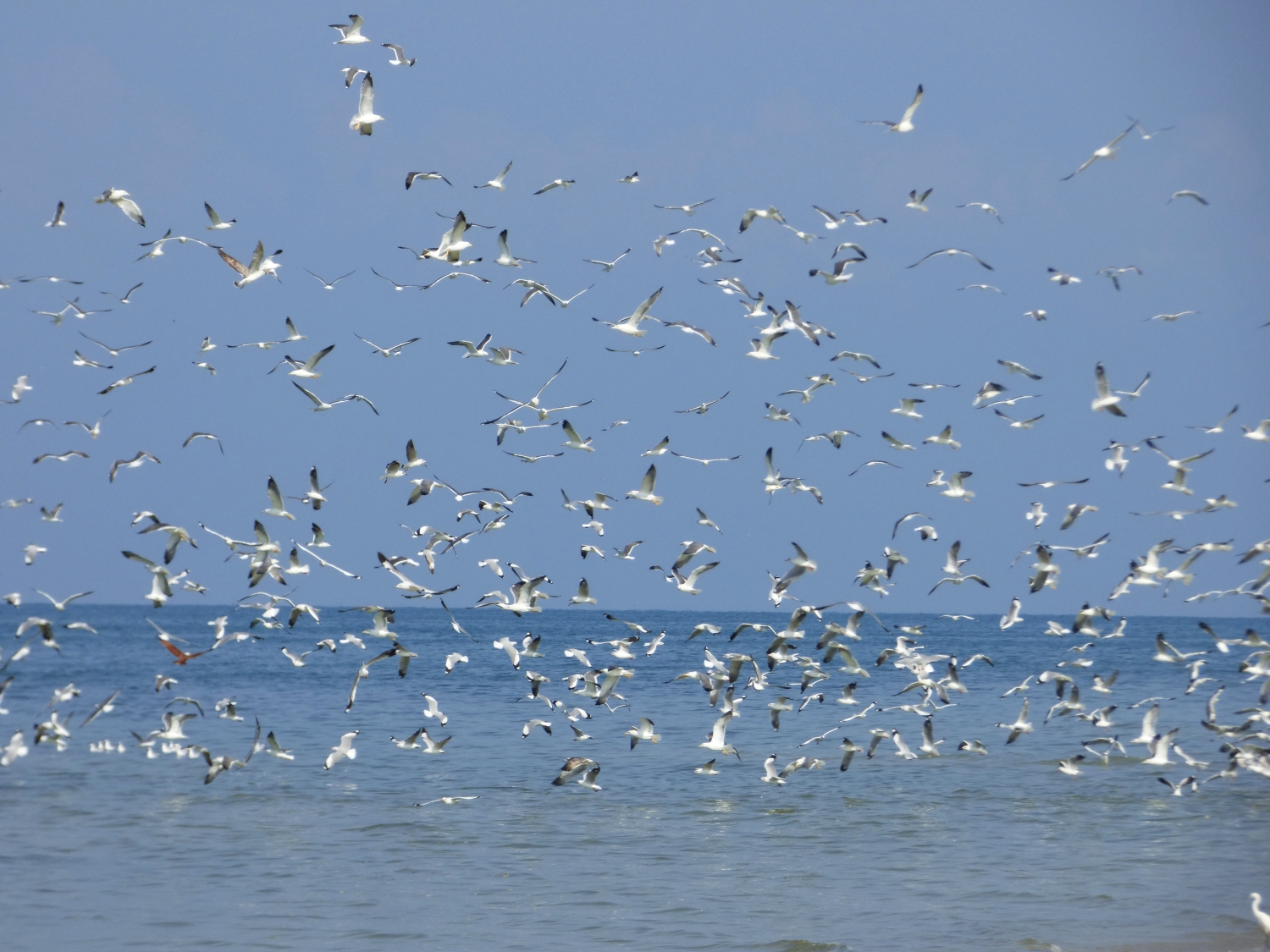

The Northern part of Sri Lanka is generally much less visited by birders than the wet zone, probably as it is more difficult to access and there are less internationally sought-after birds. Since all endemics are found in the southern and central part of the island, this is where nearly all international birders go. As a result, the north is rather under-birded despite having some quite exciting birding opportunities, especially for local birders. Additionally, access has and is becoming much easier, as the roads are surprisingly good. Being arid, the north is climatically very different from most of the south, and this is reflected by the dry-country species such as Eurasian Collared Dove, Black Drongo, Grey Francolin and Long-tailed Shrike, which are restricted to this part of the country. Even more exciting though are the waterfowl and waders that can be found in the northern hemisphere winter, making northern coastal areas important locations – for birders and wintering birds alike. Some special birds include the very rare Indian Courser, Crab Plover, Pallas’s and Heuglin’s Gulls, Indian Spot-billed Duck, and for local birders, wintering ducks and Greater Flamingos are a big draw-card, as they are much harder to see in the south. Some of these species I have already seen in South Africa, Jaffna and Europe, but I love waders and there were still several species I had not seen yet.
Unexpectedly, many places in Mannar were already fully booked, but we got a room in the Palmyrah House. It is a fancy place, more posh than we usually stay in, but was the only good option left and has the advantage of being relatively close to birding spots, as well as offering good birding in the grounds. The hotel feels a bit like a game lodge in back southern Africa. The rooms are really nice and the food also excellent. Another good option is the Four Tees Rest Inn, which is also right next to a train station is you decide to come with the train, and the owner is a good birder and is apparently always up-to-date on where to find the specials.
To reach Mannar, the easiest option is to take a private car. You can choose to take the road through Wilpattu NP if you have at least a high-clearance car, which is not as far but also not faster than taking the Oyamaduwa Rd that goes off to the left in Nochchiyagama (the turnoff is at 8.276211, 80.240033). Unless you want to stop to look at some cultural sites along the way, it is not recommendable to go through Annuradhapura, due to the heavy traffic. Another choice is taking a bus, but you have to change busses in Puttalam, there is no direct bus from Colombo to Mannar. There are also two train options, one that leaves Colombo in the evening and arrives in Mannar at around 3:30 in the morning, and another one that leaves from Colombo in the morning. Neither of these trains have a first class, but you can reserve seats for second class as well.
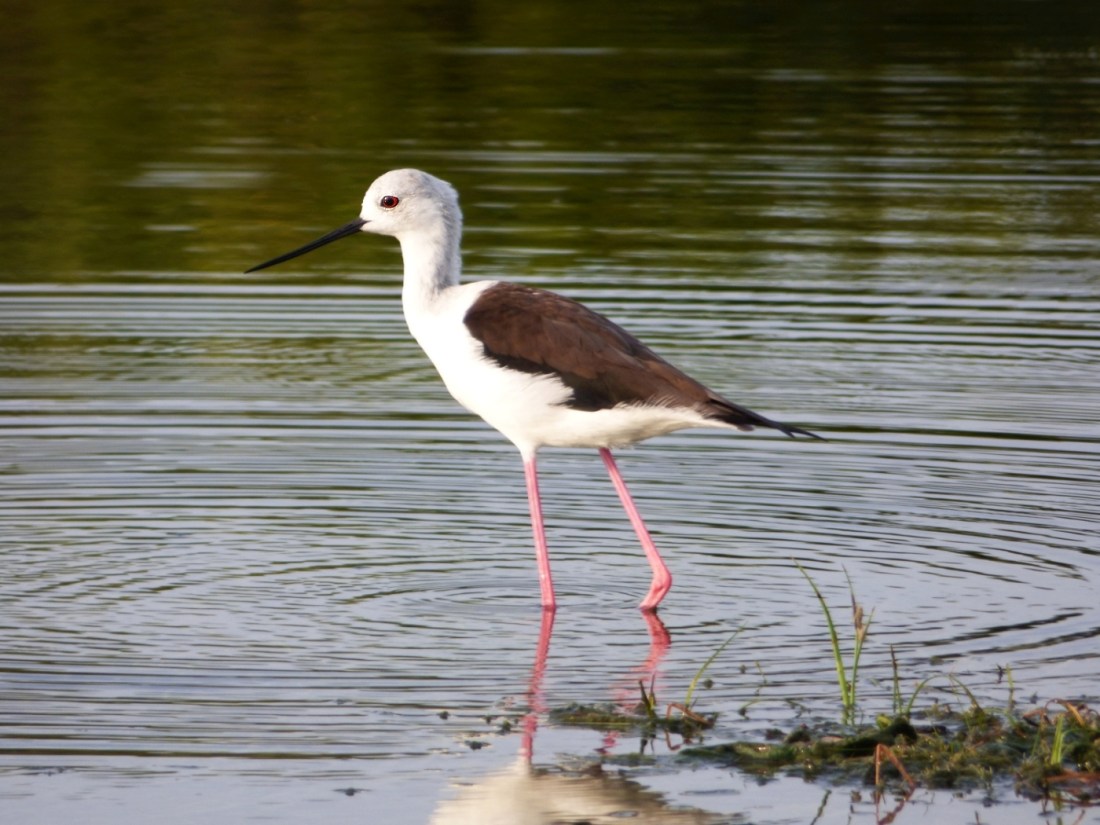
We left Colombo on Monday morning with the driver who also drove us to Sinharaja. We stopped for breakfast close to Puttalam and then continued to Mannar, taking the Oyamaduwa Rd. The scenery along this road is very nice, there are many tanks, grassland and some rice paddies, along with thickets in some areas. Birds seen along the road included Woolly-necked Stork, Darter, Crested Serpent Eagle, Crested Treeswift, Spot-billed Pelican, Painted Stork, Indian Peafowl, Malabar Pied Hornbill and Indian Robin, alongside many more common species. As we turned onto the A14 main road towards Mannar, you could already notice the drier climate than in the South, and dry-zone birds like Little Green Bee-eater, Black Drongo, Ashy Woodswallow and Yellow-wattled Lapwing were already in evidence. As we crossed the causeway, large numbers of wader were present close to the road, mainly Common Redshanks, Eurasian Curlew, Marsh and Common Sandpipers, Lesser Sand Plover, Black-winged Stilt, and Common Greenshank. Upon arrival at the Palmyrah House at around 12:00 we were met with some juice and refresher towels and then checked in to our room, which was very comfortable. In fact, over the next few days we discovered that it is really relaxing just staying around the lodge for some time, taking a swim in the pool, reading in the shade in front of the room or hanging around the common area. We ate lunch at the lodge, after which we relaxed a bit in our room before heading out with the resident naturalist, Gayomini, who does a study on wader migration and in between is employed by the lodge. We really profited from her service as she knew the good birding spots and also had a scope with her, which makes wader-watching significantly easier. We first stopped at Kora Kulam, between Mannar town and the Palmyrah House. It is the largest freshwater waterbody on Mannar Island and therefore attracts large numbers of waterfowl, as well as gulls. We stopped beside the road and put the scope up in the shade of a wall, from where we scanned through the large number of ducks and gulls. Most impressive were large numbers of the huge Pallas’s Gull in breeding plumage. Northern Pintails dotted the water in their hundreds, along with some other ducks like Garganey, Northern Shoveler and Eurasian Wigeon. A few Gull-billed and Caspian Terns hovered overhead. We got back into the car and continued, soon getting out again at the spot where the Grey-headed Lapwing, a rare vagrant to Sri Lanka, was recorded several days previously, although we could not locate it. After continuing through Mannar town, we headed over the causeway, stopping at one stop were the mudflats were covered with waders. We got an excellent haul of waders here, best birds being a Greater Sand Plover among the many Lesser varieties, Terek Sandpiper, Black-tailed Godwit, Ruddy Turnstone, Pacific Golden Plover, Sanderling, Eurasian Curlew and Common Whimbrel. Further in the distance we got the bird for which most local birders come to Mannar: Greater Flamingo.
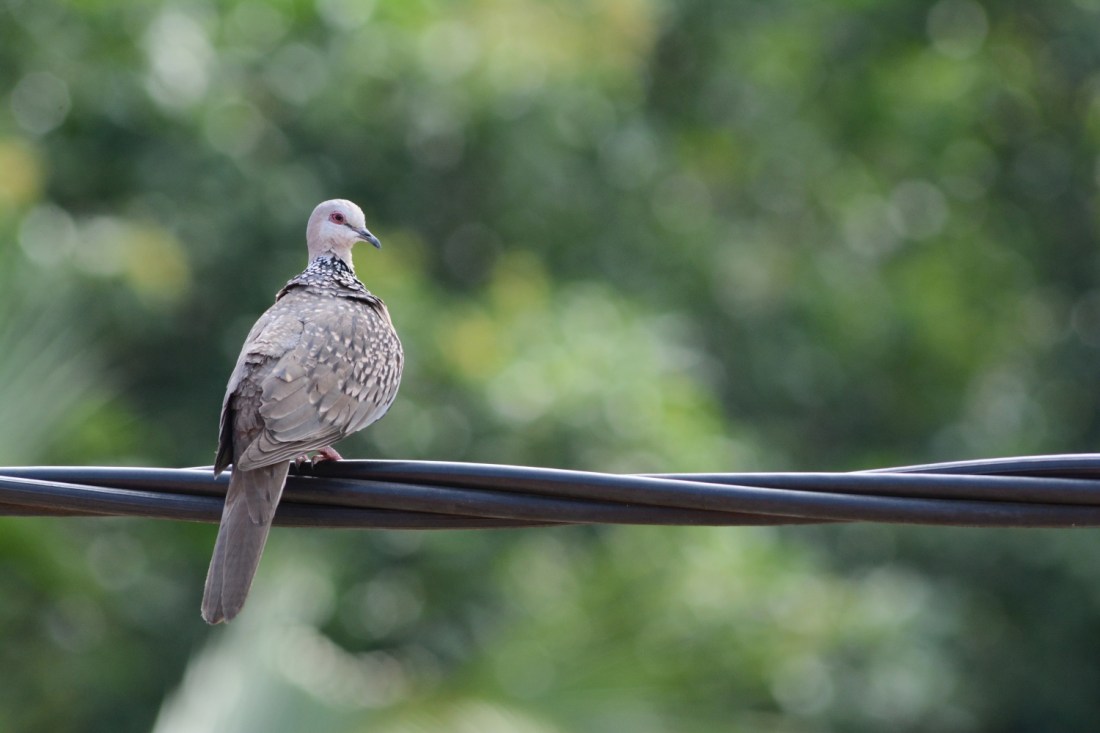
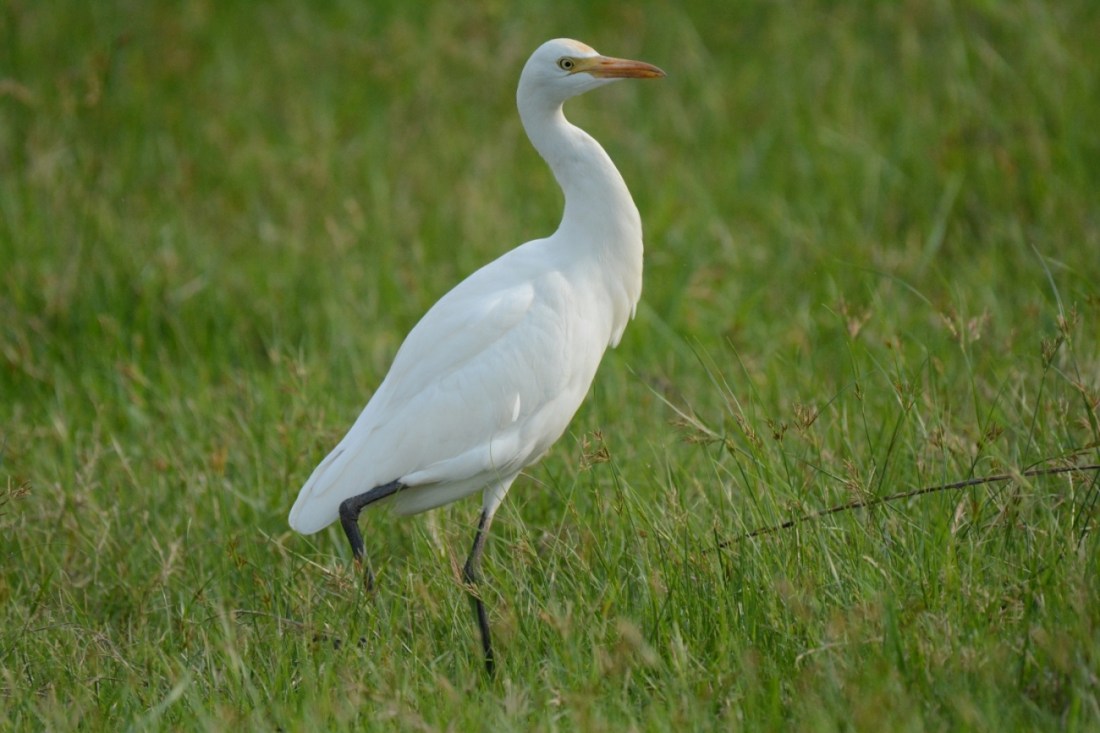
We turned left directly after the causeway, along the road that marks one side of the Vankalai Triangle, seasonally one of the best birding spots. During our visit however, the area was very dry, so many of the flooded pools along the road that often hold waders were dry. Apparently these are best during January. We continued at the junction that leads back to the main road, A14, to stop at a small tank. Clamorous Reed-Warblers can usually be seen here, but we were unsuccessful. Birds we saw were Grey-headed Swamphen, Common Moorhen, Blue-tailed Bee-eater and Baya Weaver. We headed back to the junction and continued left to reach the main road, where we turned right to return to Mannar. Some more good birds seen along the Vankalai Triangle were Eurasian Spoonbill, Blue-faced Malkoha, Grey Francolin, Little-ringed Plover and Ashy-crowned Sparrowlark. We saw a flock of Greater Flamingos twice, first from the airstrip, then at the opposite side of the triangle as they flew in to roost.
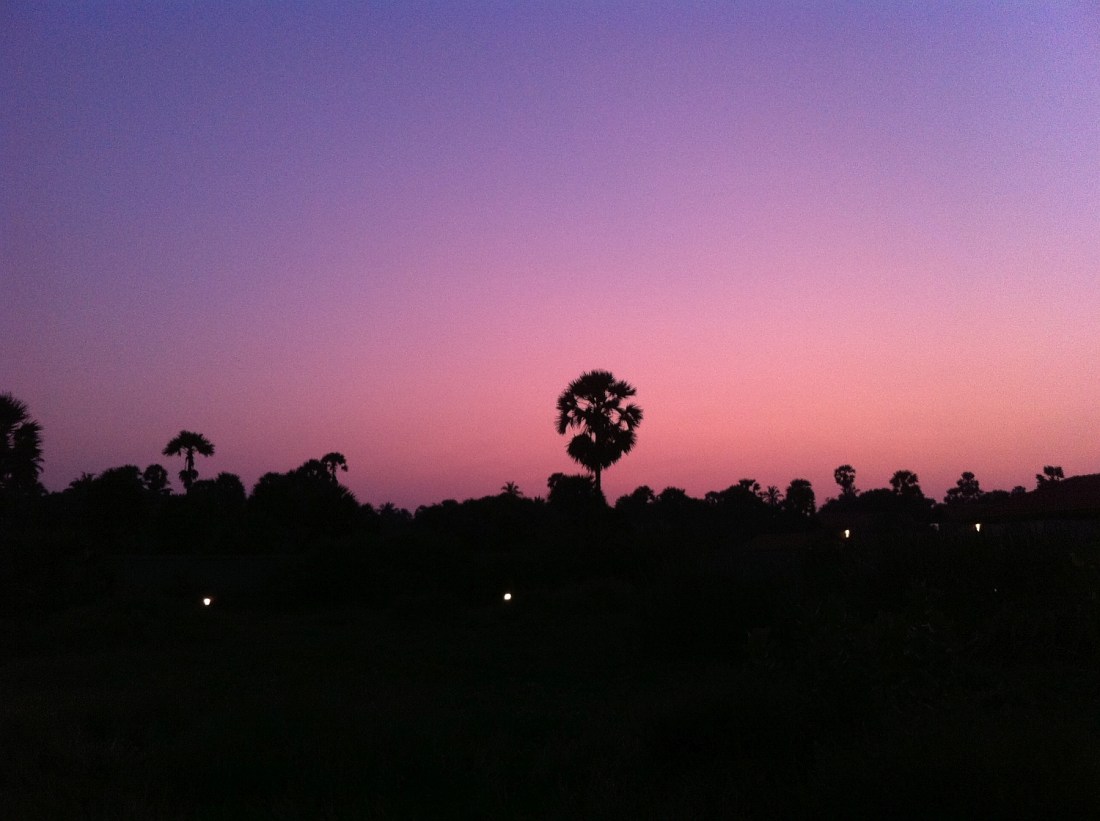
Before breakfast the next morning we took the bicycles and cycled along a track close to the lodge, which proved to be a truly excellent choice. We turned left onto a gravel road along the border of the lagoon, but right again after about 100m at this point. The lagoon verge had Little Stints, Common Whimbrel, Northern Pintail and more waders. After a few hundred metres, you pass two tiny water bodies on your right, after which the ‘main’ track turns left into the acacia thicket. This is where we had excellent birding. Three species of cuckoo were seen, among them two lifers, Grey-bellied and, extremely surprisingly, a Chestnut-winged Cuckoo. Also seen were Brahminy Starling, Blue-faced Malkoha, Brown-headed and Coppersmith Barbets, Black-rumped Flameback, Asian Paradise-Flycatcher and another great bird, Hume’s Whitethroat, in addition to several previously seen species. The atmosphere too was great; with many of the acacias flowering and a beautiful light, it reminded us of South Africa.

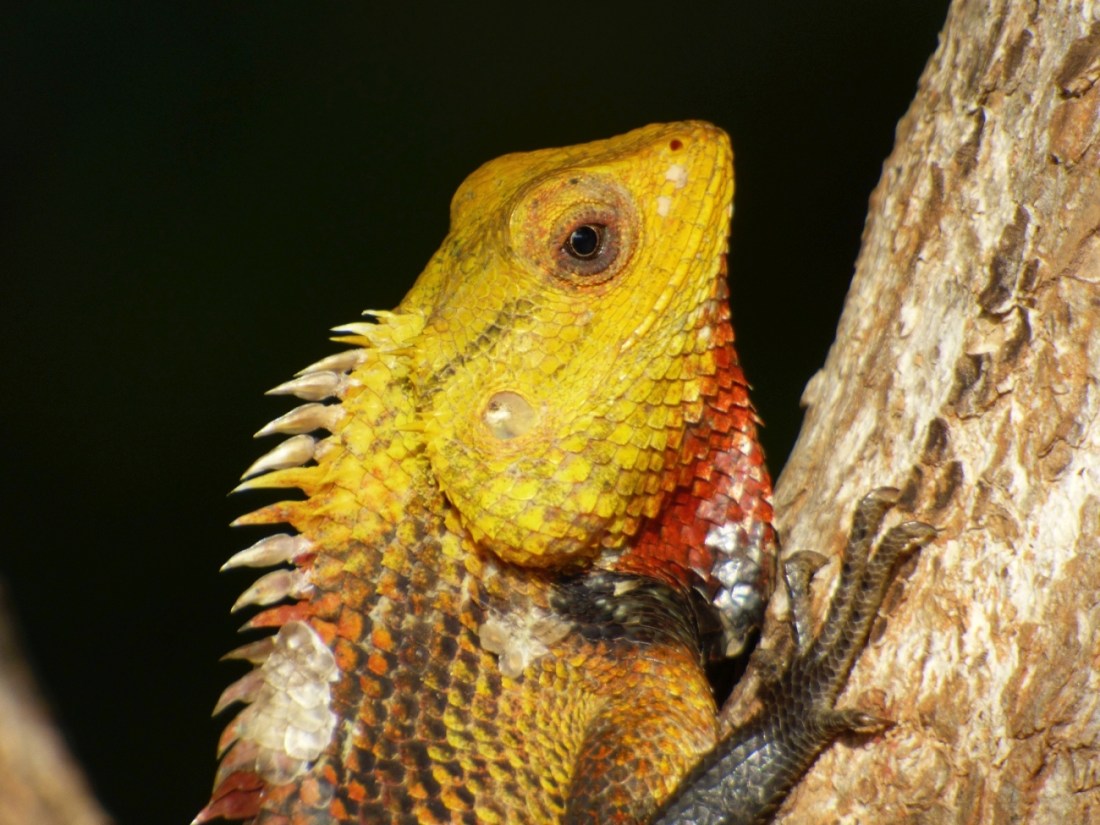
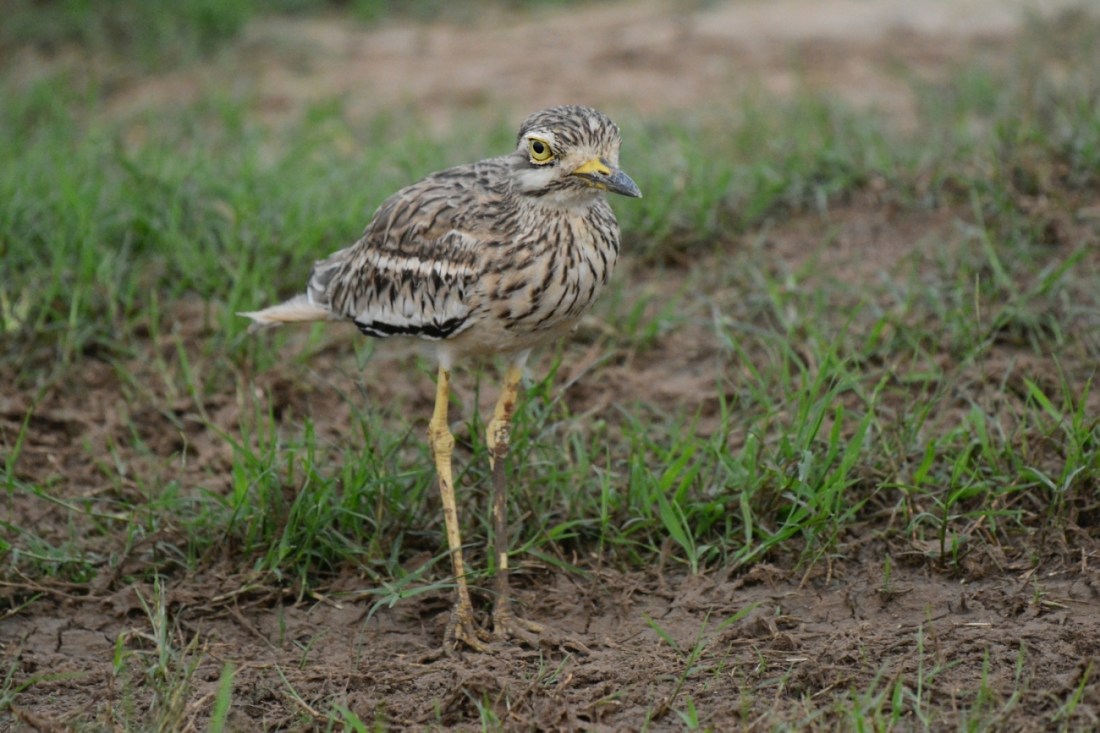
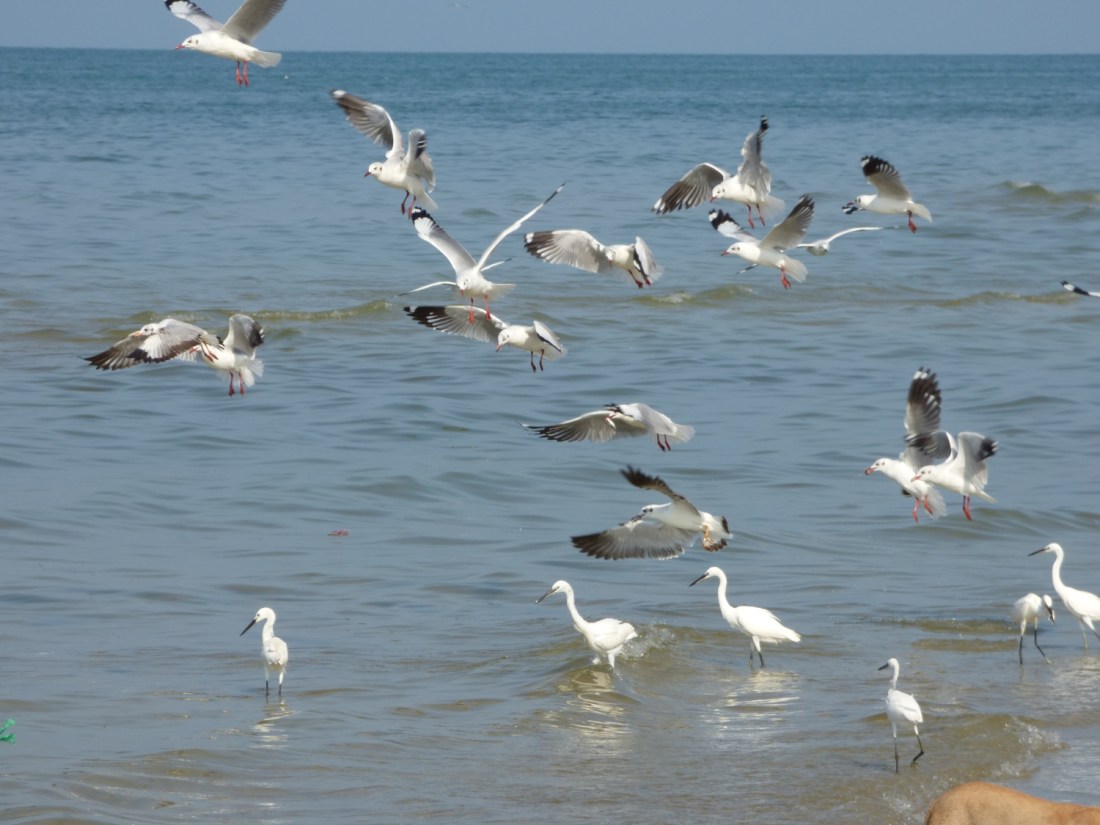
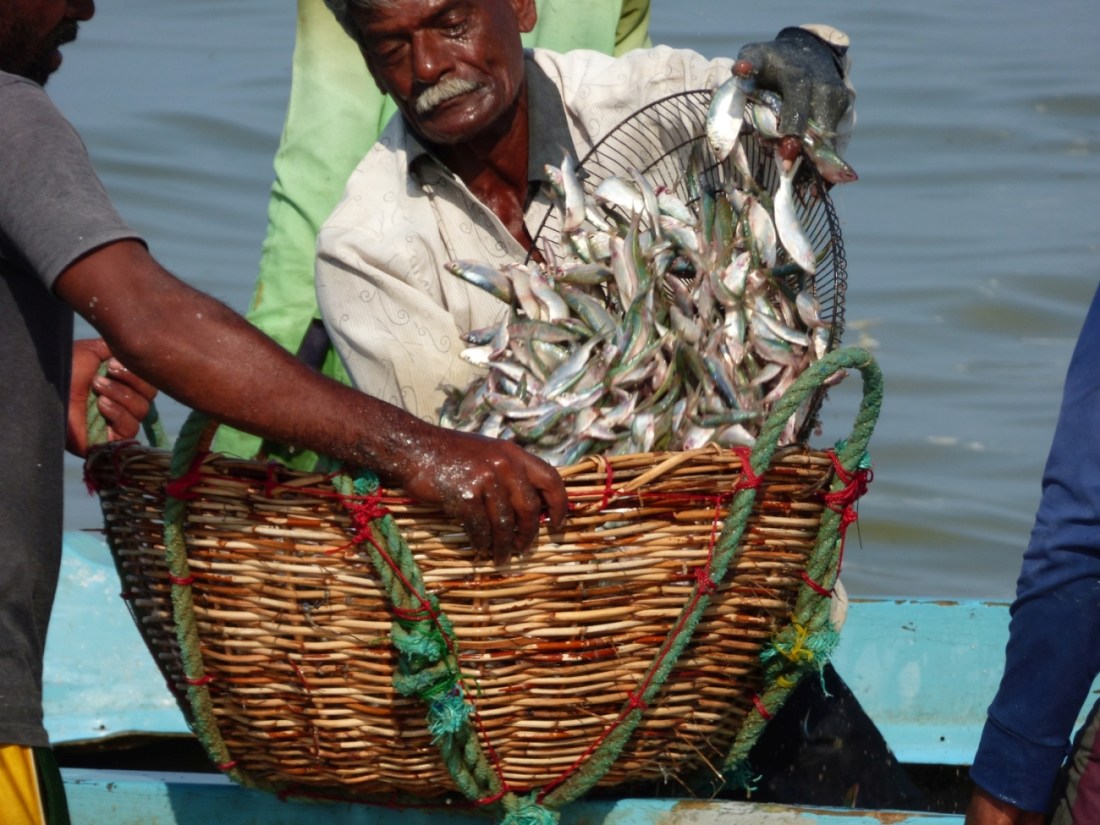
Very satisfied, we returned to the lodge for a good breakfast. Birding in the lodge grounds produced a good haul of nice birds, including six raptors: Booted Eagle, Peregrine Falcon, Shikra, Black Kite, White-bellied Sea-Eagle and Brahminy Kite were all seen in the skies above the lodge. Other birds were Common Kingfisher, Sri Lanka Woodshrike, Jerdon’s Bushlark, Paddyfield Pipit, Zitting Cisticola, Purple Sunbird, Jacobin Cuckoo, White-browed Bulbul and several more common species. One evening, I had brief views of possible Jerdon’s Nightjars twice, once overhead and one briefly alighting on the short gravel entrance road, but not enough to be sure about the ID. Since I had some schoolwork to do and we wanted to relax during the hottest time in the lodge as well, we decided not to go out again until 15:00. For the afternoon, we decided to head to the tip of Mannar island, Talaimannar. On the way, we stopped at the beach of the fishing village of Pesalai to look at gulls feeding on the fish the fishermen brought in. Heuglin’s Gull was present here, in addition to Brown-headed Gull and Pallas’s Gull. Interestingly, all individuals of the latter were in non-breeding plumage, while the birds at Kora Kulam were in breeding plumage. Several species of terns, including Lesser Crested Tern, hovered overhead, and large numbers of Little and Great Egrets were also present. A group of locals boys were hugely interested in our optical equipment, and it was funny to see them looking through the binoculars and jumping back in surprise when they saw a magnified picture. We continued through a scenic sandy Palmyrah forest before turning left off the main road and stopped at a spot called Talaimannar Beach Gardens. Directly after getting out of the car we spotted a group of shy Richard’s Pipits close to the car park. We walked along the sand stretch between the beach and the estuary, seeing Grey Plover, Terek Sandpiper, Great Thick-knee, Kentish Plover, Striated and Western Reef Herons, and the scarce Bar-tailed Godwit, among other more common waders. There was a small tern roost on the beach in front of the army camp containing Lesser Crested, Greater Crested and Caspian Terns. On the way back we stopped at the Talaimannar lighthouse and pier. The latter was used in the past to transport goods between India and Sri Lanka.
The second full day was not as productive as the first unfortunately, but we started the day again cycling to the spot we were the previous morning, simply for the great atmosphere. On the way we saw a group of Little Terns, Yellow-wattled Lapwing, Asian Koel, Indian Peafowl and Long-tailed Shrike. The acacia forest yielded nothing new, so after some time we returned to the lodge for breakfast, after which we enjoyed a few lazy hours in the grounds. We headed out in the early afternoon again, heading for Mannar. On the way we stopped at the Grey-headed Lapwing site again, but despite a long search, we were unsuccessful again. However, we did see a pair of Pin-tailed Snipes. In Mannar, out main intention was to visit the dutch fort. We walked on structures for some time, which reminded me of the larger Jaffna Fort, but after some time, the heat took the better of us and we headed to a nearby restaurant, Choice, which was recommended to us by the lodge. Back at the lodge, we cooled down in the pool, got our stuff and headed back in the direction of Mannar again, the destination being the Southern Vankalai Triangle, to the spot were three rarities were recorded recently, Asiatic Dowitcher, Ferruginous Duck and Broad-billed Sandpiper. Shortly after turning right in the direction of Vankalai, you will cross a railway line. 200m along the road from here, a very bumpy track goes off to the left, where the three species were seen. It’s best to walk along here. There were some common waders and Northern Pintail, but we were unsuccessful with all three rarities, the main reason being that the area was nearly completely dry. In fact, we did not even complete the whole Southern triangle, because the entire area was dried up. The only nice bird we saw was a Great Thick-knee. We spoke to Gayomini and she said the best time for this area is January after the rains, when there are many water bodies along this road with waders and waterfowl. We drove back and turned right just before the causeway to the northern side, stopping soon at the first bridge to look for some more waterbirds. Again, no new birds were seen, but Greater Flamingos were in the distance, and Painted Storks, herons and waders closer to the road. On the way back, the causeway had a flock of hundreds of Common Redshanks, which densely dotted the mudflats.

The final morning was uneventful; after a quick visit to the acacia thicket which produced nothing of note we packed our bags, had breakfast, and started the long drive to Colombo. On the causeway, we looked again for Crab Plover and Eurasian Oystercatcher, two species I hoped to see the last few days, but were left empty-handed. We stopped at the ancient Thanthirimale Temple complex on the way back. It is scenically situated on rocky outcrops, providing great views of the surrounding landscape. We spent some time looking at the reclining Buddha, stupa and small archaeological museum, which was interesting. In terms of birds, the spot was quite surprising, I saw Thick-billed Flowerpecker, Orange-breasted Green Pigeon, Sri Lanka Swallow, House Swift and Common Iora. We stopped for an early lunch at the roadside again, were I saw Common Kestrel, and arrived in Colombo in the late afternoon.
 My Zone Is Birding
Thanks Luca, I loved that trip! Relaxed, remote and with all these acacias reminding me of southern African bushveld…
LikeLiked by 1 person
Yes I loved it as well, the atmosphere was great! Definitely worth another visit.
LikeLike