
Thanks to a Poya Day, we had a four-day weekend in the beginning of March. Since the Sinharaja rainforest is on of the country’s most popular birding spots, we decided to make a trip there as soon as possible. We combined it with Mirissa, a beach town not far from Sinharaja. Mirissa is a popular beach and whale watching destination – apparently this is one of the few places in the world where Blue Whale can be seen reliably.
We didn’t enter Sinharaja through the better-known northern entrance as it would take too long to get to Mirissa from there. The southern entrance might not be as productive for birds, as I believe the guides don’t know where to find some specials, like the roost sites of Sri Lanka Frogmouth or Serendib Scops-Owl. We stayed in Eco Villa in Deniyaya, which has good accommodation and excellent food. Some endemics can also be seen around the grounds. It is about 12 km to Sinharaja and a further 1.5km walk. We were taken there by van with the owner of Eco Villa, Bandula, who also guided us in the forest.
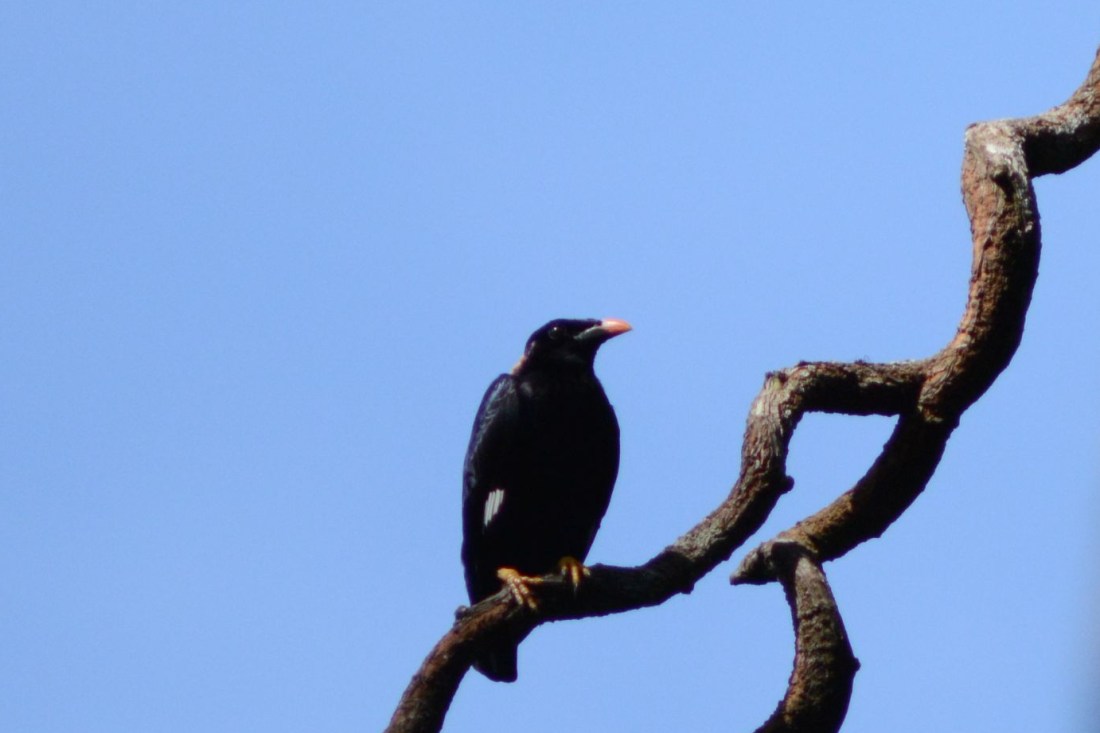

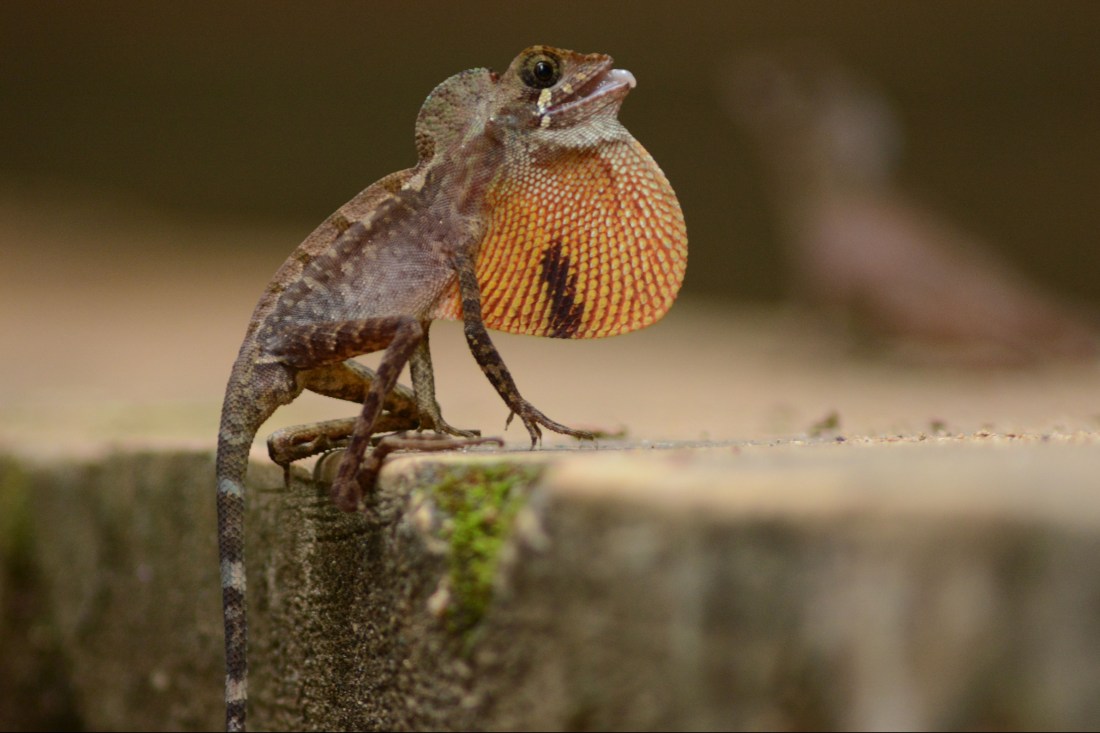
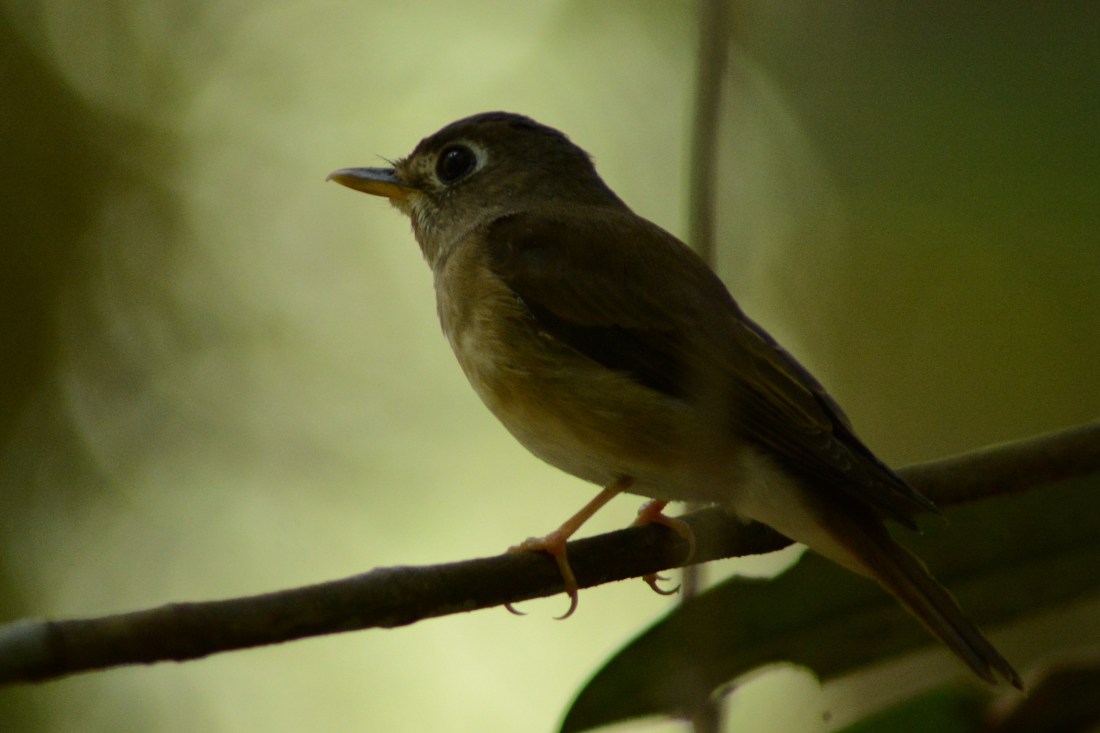
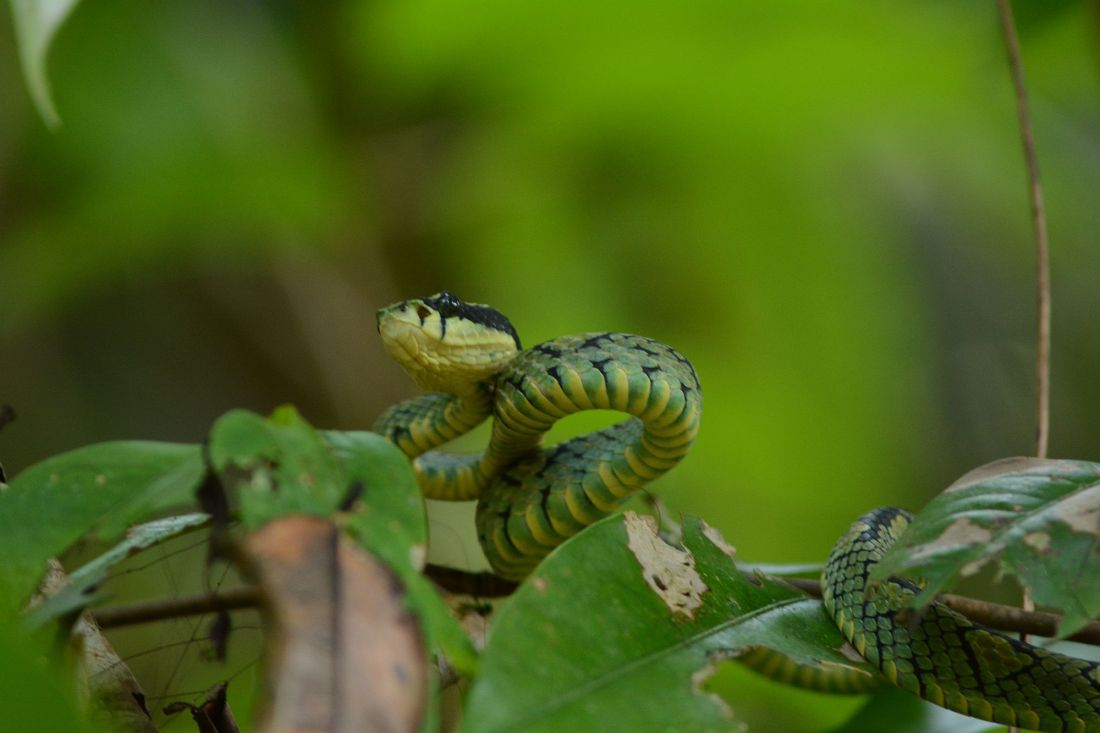
Before breakfast, I did some birding in the small parking area and saw Asian Paradise-Flycatcher, Common Tailorbird, Yellow-fronted Barbet and Sri Lanka Hanging-Parrot (the first new species for the trip) amongst others. We were on the road at about 7:20, although we intended to start at 7:00. The drive and walk to the forest took longer than an hour, but we saw Sri Lanka Green-Pigeon, Common Kingfisher, Sri Lanka Junglefowl, three species of Munia (including Black-throated), and some other species in the rice paddies before the forest. At the entrance area three nice birds were Woolly-necked Stork, Black-capped Bulbul (one of four species of Bulbul in the we saw in the forest) and Chestnut-headed Bee-eater. We entered the forest quite late in the morning, and it was rather quiet, but small clearings and river crossings produced quite a number of good birds. Spot-winged Thrush, Dark-fronted Babbler and Sri Lanka Hill-Myna were seen quite soon in the forest, and all were seen again later on. We headed to some buildings by the river and there was more activity there. Larger trees at the bridge had Golden-fronted Leafbird and the area around the houses revealed a small bird party with White-faced Starling, Sri Lanka Drongo, Lesser Sri Lanka Flameback and Sri Lanka Grey Hornbill, as well as Pale-billed Flowerpecker and Brown-breasted Flycatcher (the latter was quite common in the forest interior). After some time, I found a pair of the hoped-for Malabar Trogon and a distant Small Minivet. Lizards also abound in the forest, and they are certainly one of the highlights, with many different and spectacular species occurring. Another common reptile species is the beautiful Green Pit Viper. We also stumbled upon a Grizzled Giant Squirrel, which is really huge and gave us excellent views. As we went out of the forest in the afternoon, I found a female Orange Minivet in a distant tree, Brown-backed Needletails and a Crested Treeswift. The rice paddy area had Alexandrine and Plum-eaded Parakeets, as well as many more common species. Beware of ticks in the grass along the road, there were quite a few in some places. On the contrary, leeches in the forest were rare and we didn’t even have (or needed) leech socks.

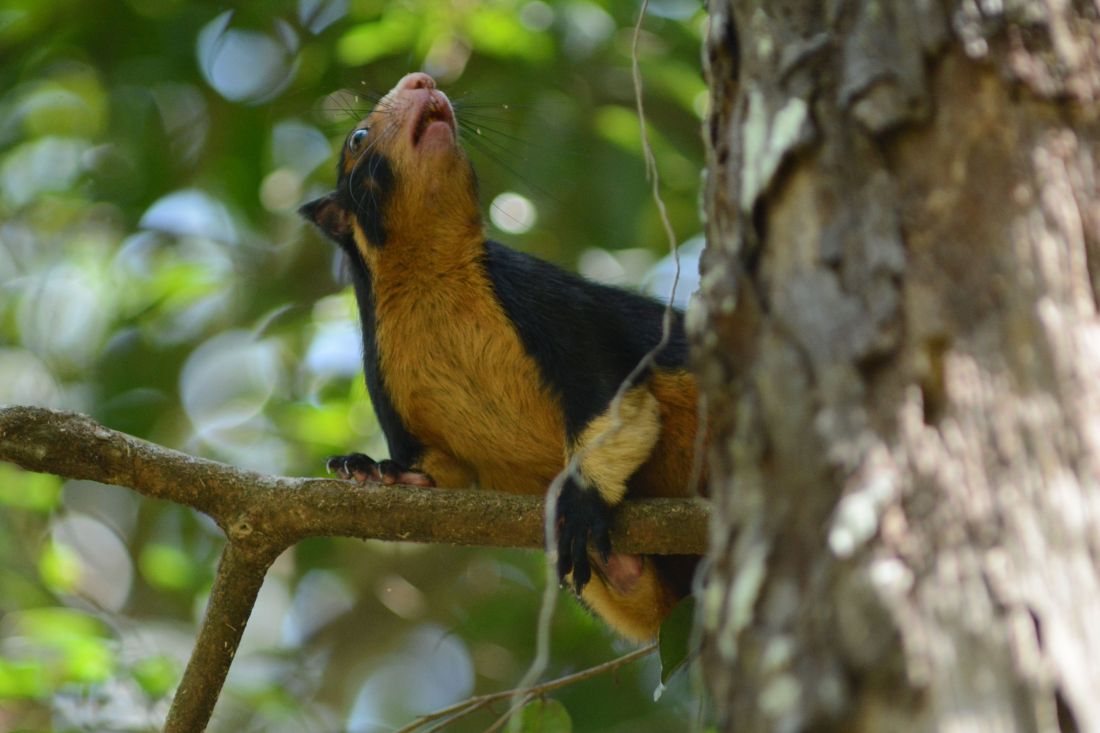
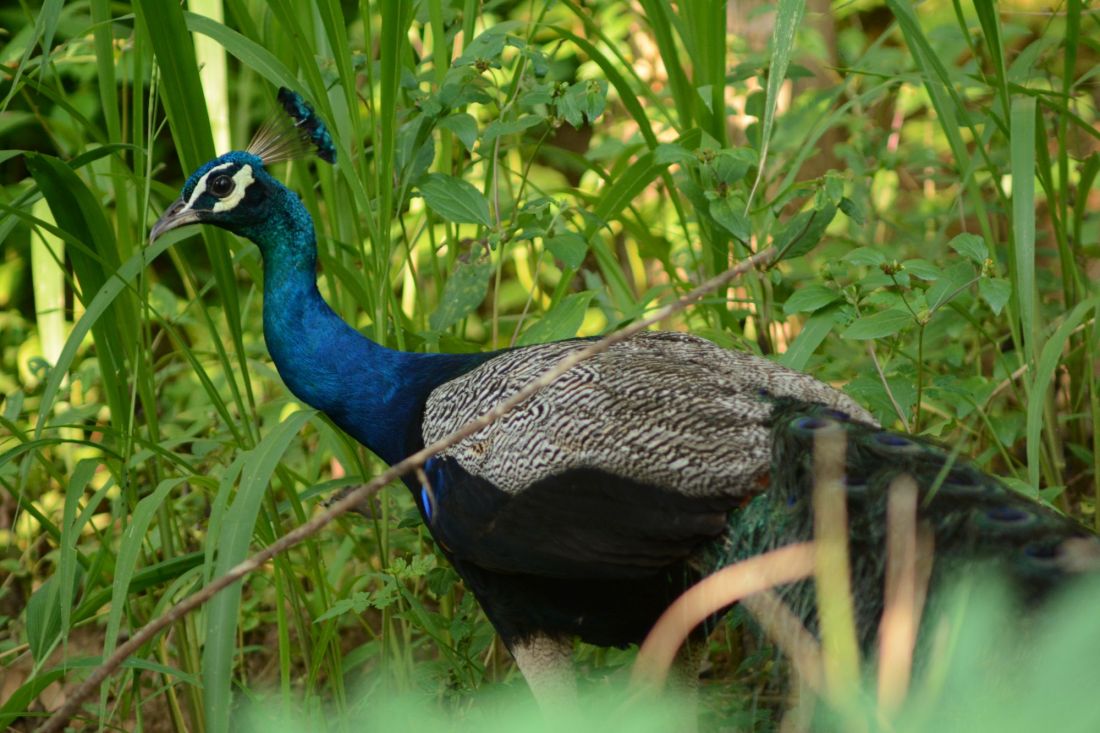
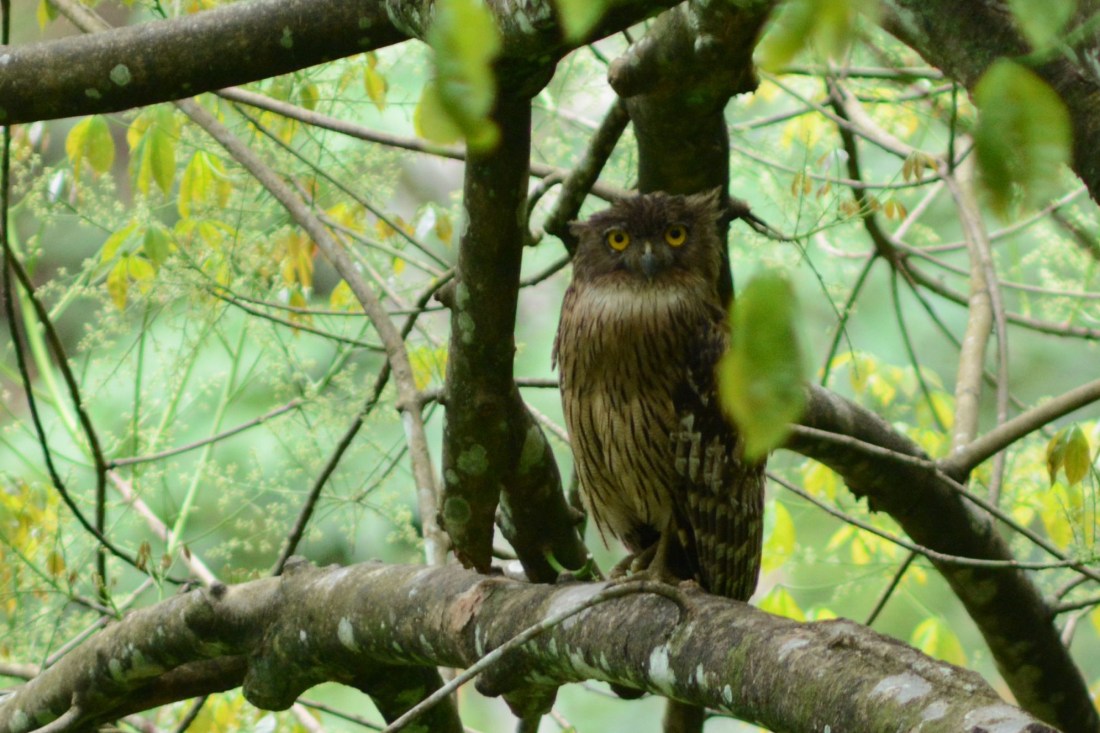
The next morning, I saw a nice male Orange Minivet in the trees above the the Eco Villa and Large Cuckoo-Shrike and Common Iora along the road before we drove to Mirissa. Along the way, we stopped at a small side road signposted “Kanneliya Forest Reserve”. This is not the official entrance and we didn’t reach the actual forest, but we walked along the road for a few hundred metres and saw some nice birds. The stream crossing the main road held a pair of the stunning Oriental Dwarf-Kingfishers and we also had excellent views of a small group of Sri Lanka Hanging-Parrots foraging next to the road plus another sighting of Grizzled Giant Squirrel. Later we stopped again at a sighting of a roosting Brown Fish Owl in a rubber plantation. We checked into Rose Blossom, where we stayed for two nights, in the afternoon. This accommodation was of similar standard to Eco Villa in Sinharaja, with good breakfast, clean rooms and intact mosquito nets.

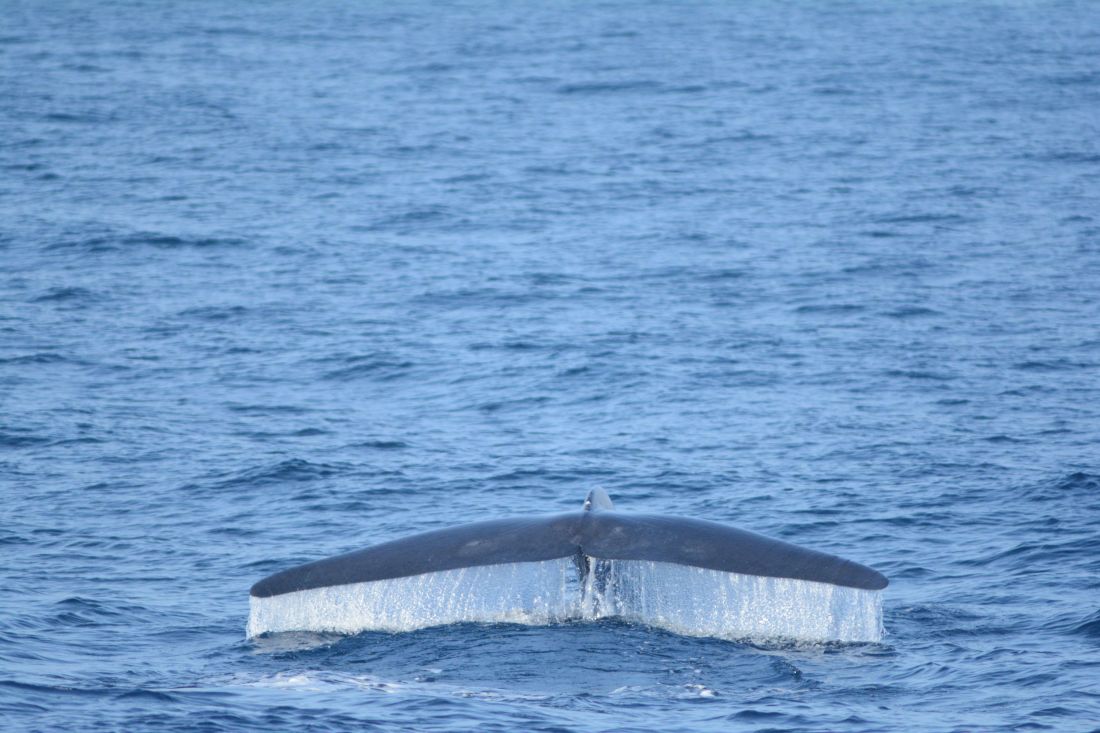
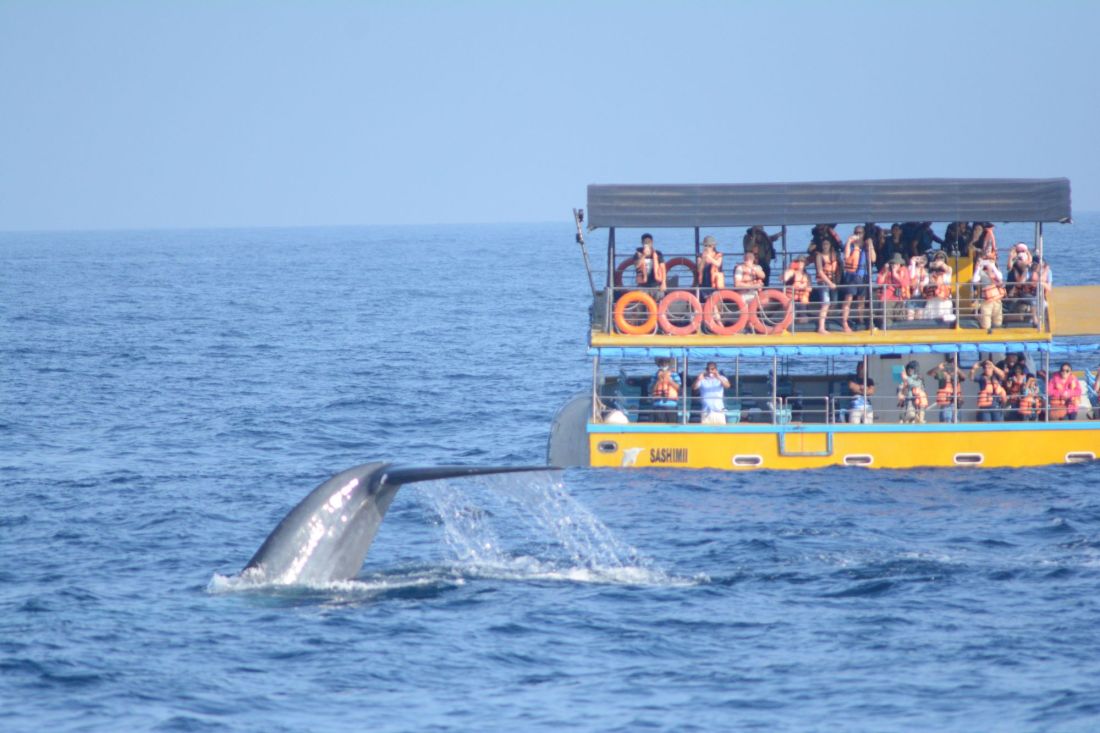
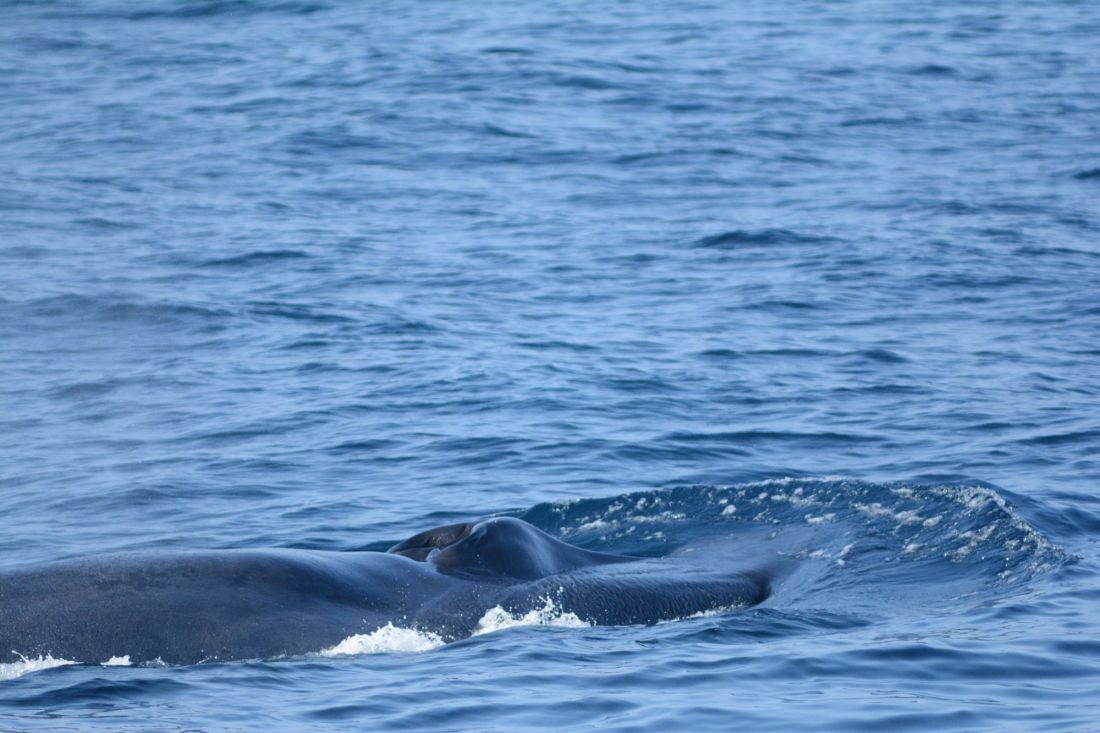
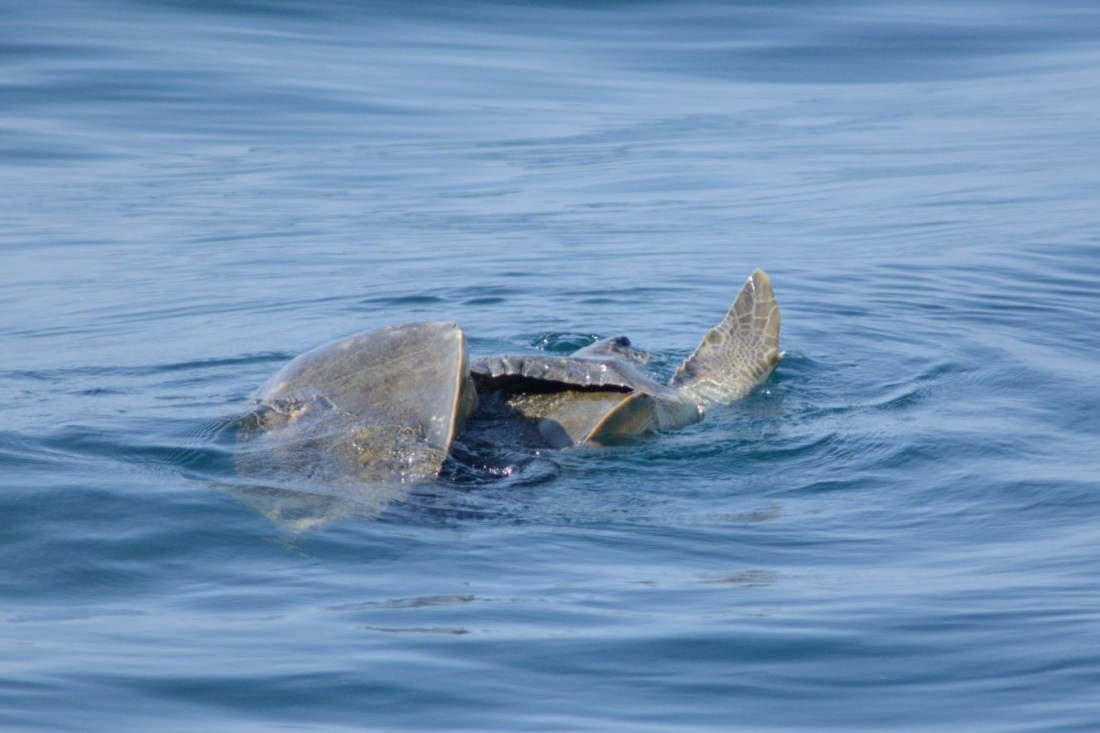
Early the next morning we were picked up by one of the tuk-tuk drivers from Raja & the Whales, the whale tour company. We boarded the boat in the small harbour and off we went out on to the sunny sea. After one or two hours, the skipper reported that Blue Whales had been seen by another boat and after a short while, we saw the blow of Blue Whales in the distance. We came closer and had spectacular and close views of these amazing animals, the largest ever to roam the earth. That was probably one of my most amazing mammal sighting ever! The downside is that in total there were a staggering number of about 15 boats in the end, always racing to the spot were the whales appeared from the sea. This is probably really distressing for the whales as the boats are very loud and this is likely to keep them from finding food. Most boats also don’t keep the minimum distance of 100m of the whales. Despite Blue Whales, many other different animals can be seen, we had great views of mating Green Turtles and Spinner Dolphins swimming with the boat, although unfortunately not doing their spectacular spinning jumps. My mother, who did this tour previously saw Pilot Whales, and other dolphins and even Whale Shark can be seen. One other amazing experience was snorkeling in a small area in Mirissa where Green Turtles forage directly just a few metres from the shore.
Our weekend trip ended up very successful and I added 18 new species to my list, and three new mammals. On the way back to Colombo we also stopped at Galle Fort, which has very interesting history.
 My Zone Is Birding
Sinharaja / Mirissa and the Diyasaru Park in Sri Lanka are nice additions to “your zone”!
A successful transition from Africa to Asia with many great birds already it seems, and I enjoyed reading it.
LikeLike
Hi kf,
Asia is a very new part of the world for me and I saw tons of lifers, including some specials! Thanks for the feedback.
Luca
LikeLike