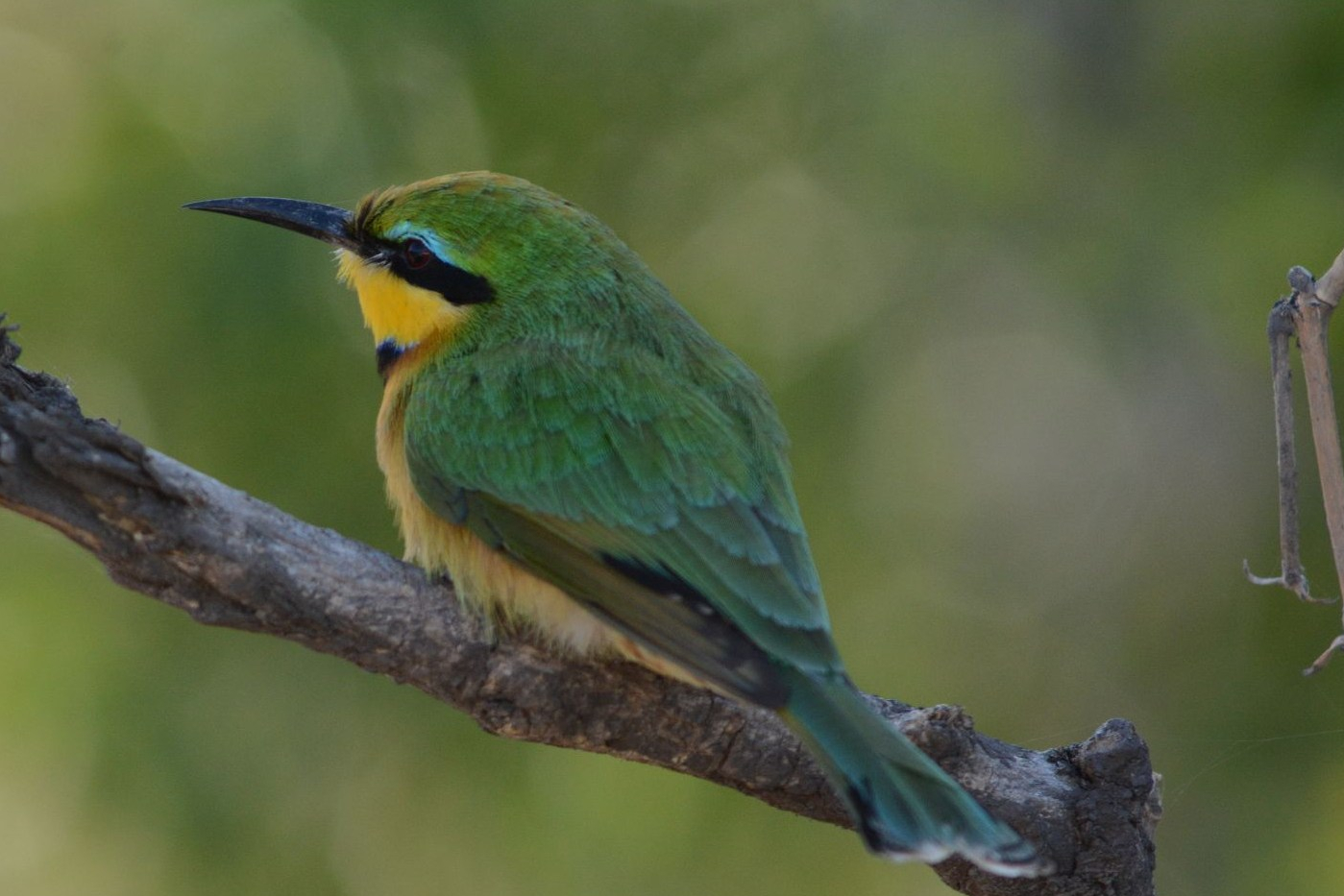

This year I finally participated in my first Birding Big Day with my mother, an event where one has to identify as many birds as possible within a 24-hour period. We started fairly early in the morning from Pretoria and began birding in the Vlaklaagte grasslands north of Bronkhorstspruit. From there we drove to the Old Verena Spa Rd and Mabusa NR via the Wilge River Valley. We continued to Mkhombo Dam NR, with a small lunch at Mdala NR. The last birding area was the Rust de Winter area. We spent the night at the Nokeng Eco-Lodge in northern Dinokeng. Despite the weather, which worsened from drizzle in Mabusa NP to heavy wind and downpours in Rust de Winter, it was a successful day and we encountered 156 species, which is not bad for me participating for the first time.
I chose the route mainly with the help of the excellent guide Birding Gauteng by Faansie Peacock and Etienne Marais, which has detailed descriptions of all the areas we birded in. Learning the calls I didn’t know of a few species was also very helpful. Our central point was the R568 – R573 junction at Kwamhlanga in South-Western Mpumalanga. The route traverses many different habitats – mainly grassland, woodland, thornveld, populated and agricultural areas, and wetlands, a dam and rivers – therefore giving us the chance to locate different birds in each area. However, with better weather and preparation, we could have seen many more species.
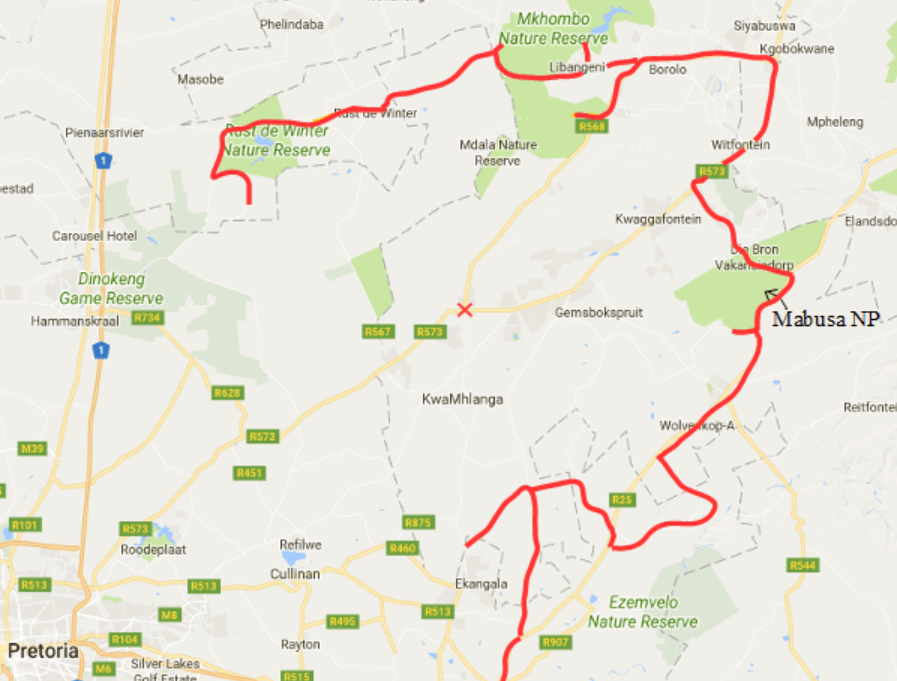
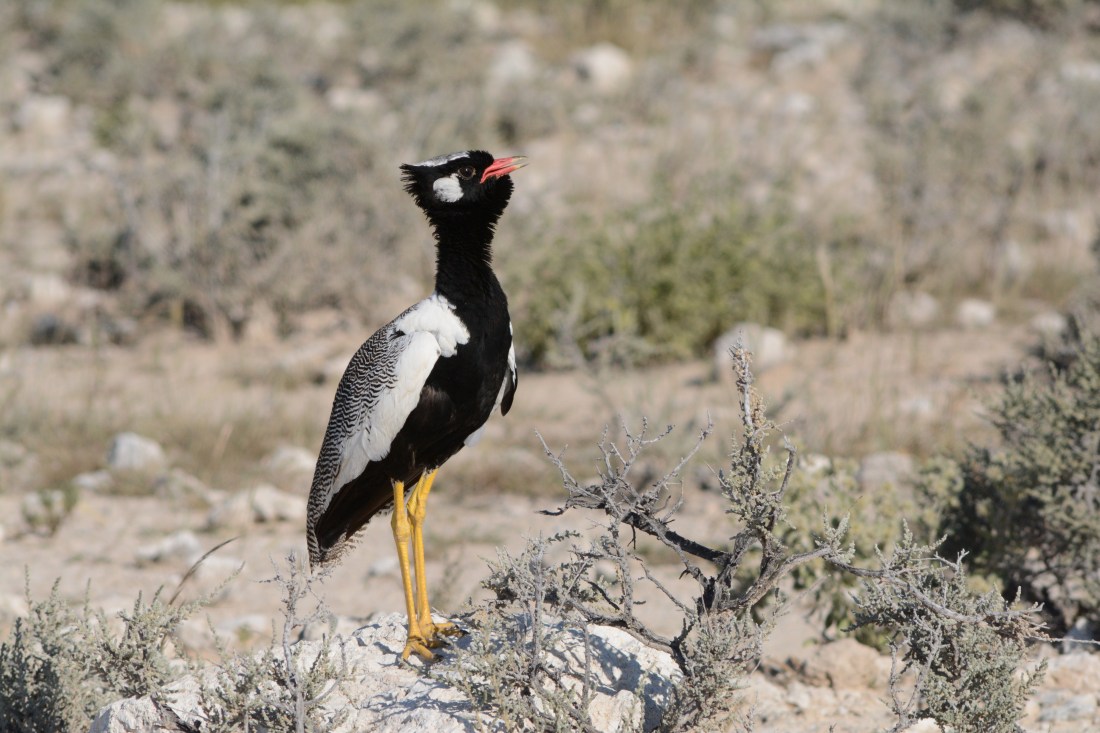
Because we forgot some equipment, we started from our home in Pretoria (which was unfortunately outside the 50km radius from the central point in which one is allowed to log species) only at 4:45 and headed directly for the Vlaklaagte grasslands. The first birds seen along the N4 were common ones in the form of Cattle Egret, Hadeda Ibis, Black-headed Heron, Helmeted Guineafowl, Black-shouldered Kite, Red-chested Cuckoo, and a variety of swallows, doves and pigeons and other birds. The grassland birding was very good, and we quickly located Zitting and Cloud Cisticolas, Red-billed Quelea, Long-tailed Widowbird, Pied Starling, Steppe Buzzard and Northern Black Korhaan. At a wetland crossing we ticked numerous new species including African Snipe, Little Rush-Warbler, Red-chested Flufftail and Black Crake. Continuing along the road, we added a few species of lark, more swallows including Sand Martin and Pearl-breasted Swallow, bishops and many more. We left the Vlaklaagte area with 65 species and continued to the nearby Wilge River Valley, which starts as a very impressive gorge.
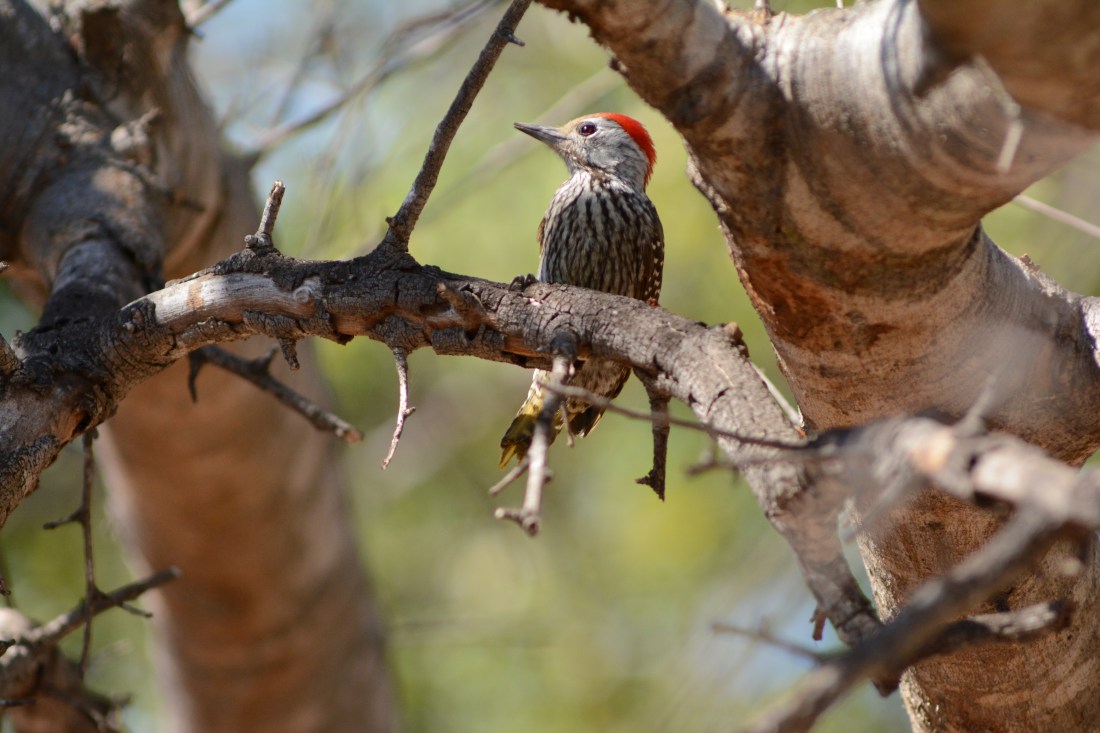
The Wilge River Valley was productive and we recorded many woodland birds including kingfishers and cuckoos, Chinspot Batis, Jameson’s Firefinch and Cardinal Woodpecker, as well as Dark-capped Yellow Warbler at a wetland. After roughly 15 kms we turned left towards Zusterstroom to get onto the R25 again, where we continued northwards. Looking back, we should have spent more time in the valley, as the woodland is unique for the area and harbours many more species.
Our next stop – where we also had breakfast – was the Old Verena Spa Road. Here I hoped to find birds not that easily seen elsewhere and, despite the light rain, we got Burchell’s Coucal, Red-collared Widowbird and Cape Grassbird, amongst a few other new ones. From there we drove into Mabusa NR, where we intended to add woodland species. The best ones were Flappet Lark, Coqui and Shelley’s Francolins, Great Spotted Cuckoo, Green Woodhoopoe and African Green-Pigeon. On the way to Mdala NR we saw Namaqua Dove and the area at the entrance gate offered – despite the rain – some new birds, including Southern Yellow-billed Hornbill, Dusky Indigobird, Natal Spurfowl, Golden-breasted Bunting and Jacobin Cuckoo.
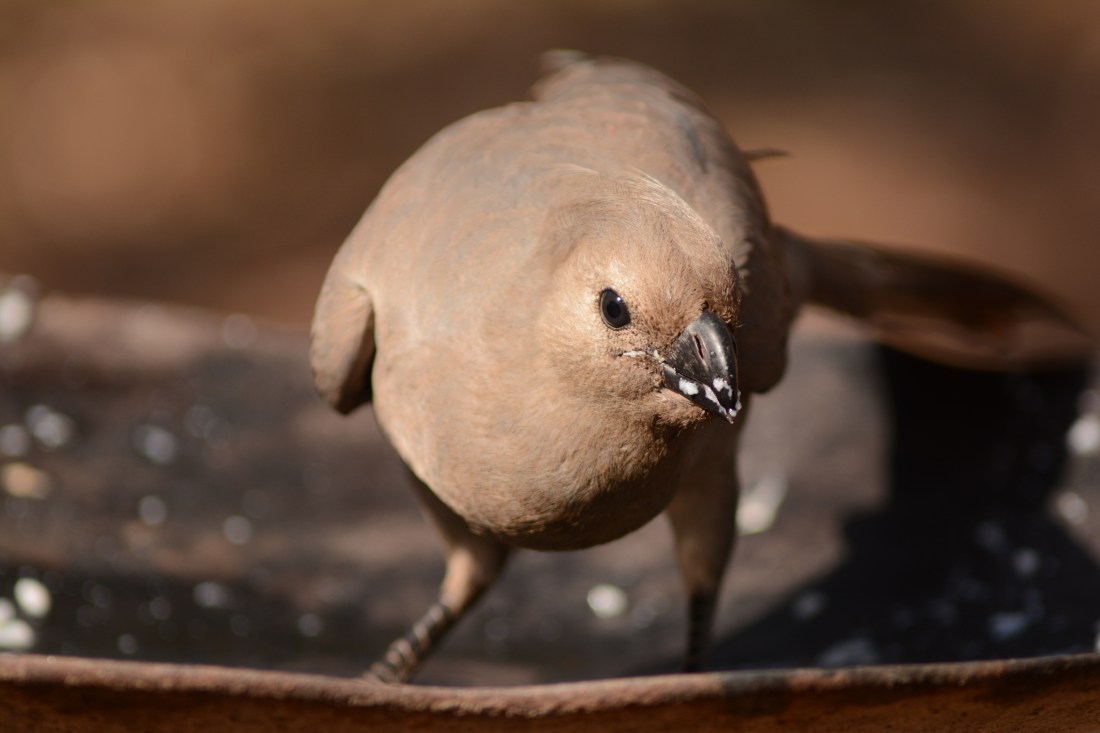
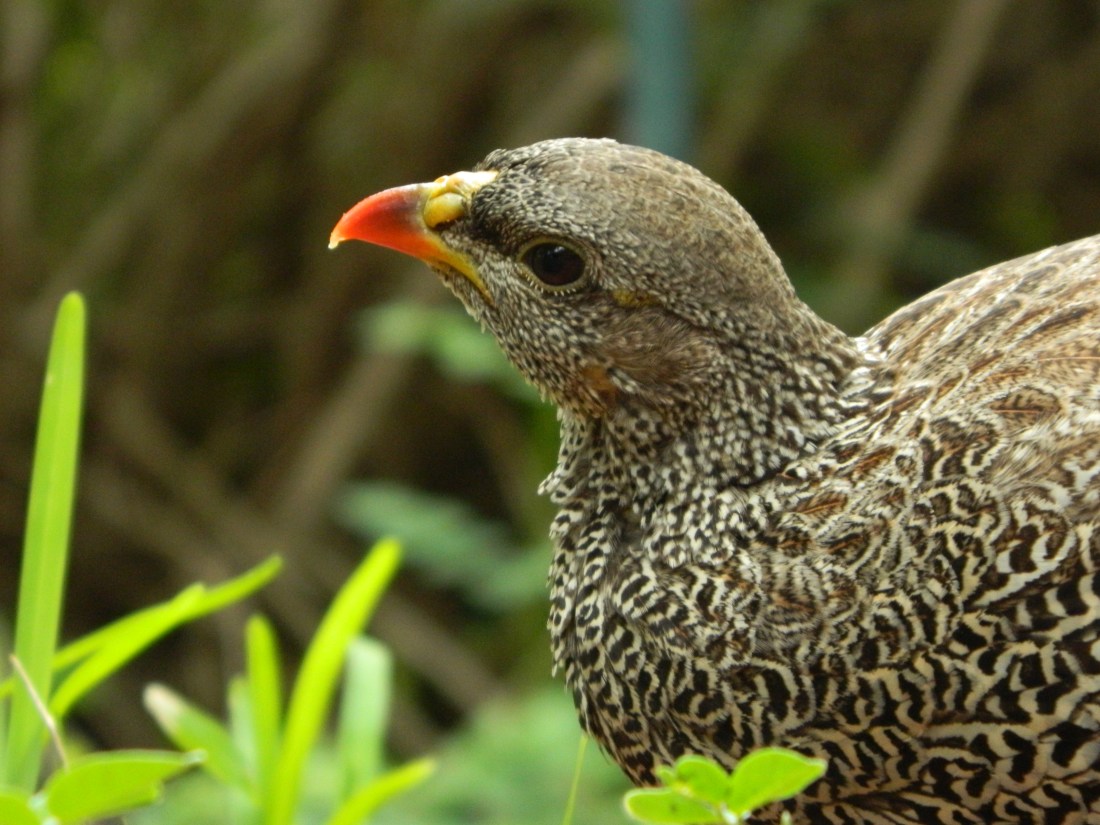
Arriving at Mkhombo Dam NR, the weather was now really bad with cold wind and rain. Luckily, the shorebirds didn’t mind and we had a number of new birds, including Common Ringed Plover, Curlew Sandpiper, Cape and Red-billed Teals, White-winged and Whiskered Terns, African Spoonbill, Yellow-billed Stork and Pied Avocet. The surrounding thornveld delivered Crimson-breasted Shrike and Scaly-feathered Finch. The birding at Mkhombo turned out to be very successful, and more scanning of the shoreline would probably have delivered more birds (a few Collared Pratincoles were around apparently), but we really could not stand the weather any more.
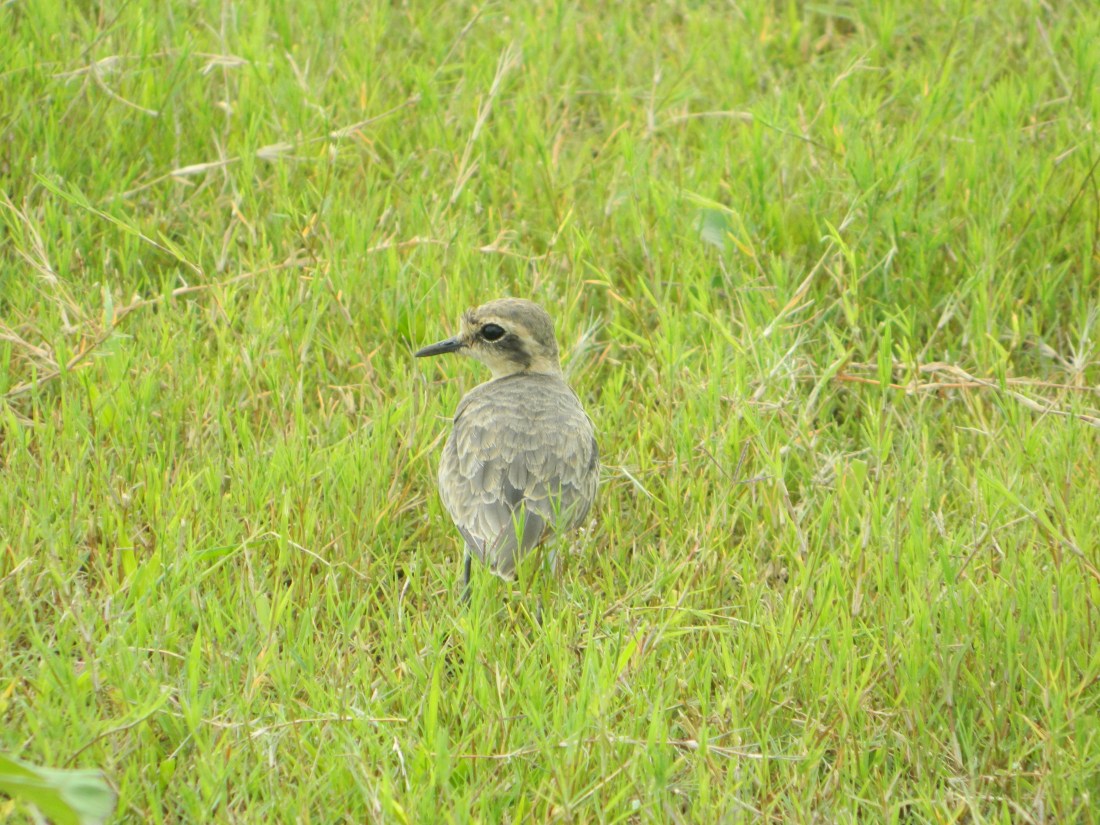
From there we made our way to the lodge via the Rust de Winter area and, despite the heavy rain, we still got Southern Pied Babbler, Black-chested Snake-Eagle and even Abdim’s Stork, amongst a few more. A large termite eruption gave us Black-winged Pratincole, Lesser Kestrel and Amur Falcon. The last bit of road was very bad because of the rain, but we still arrived at the very basic Nokeng Eco-Lodge, where we enjoyed a good dinner. Unfortunately we didn’t record any nocturnal birds at the lodge.
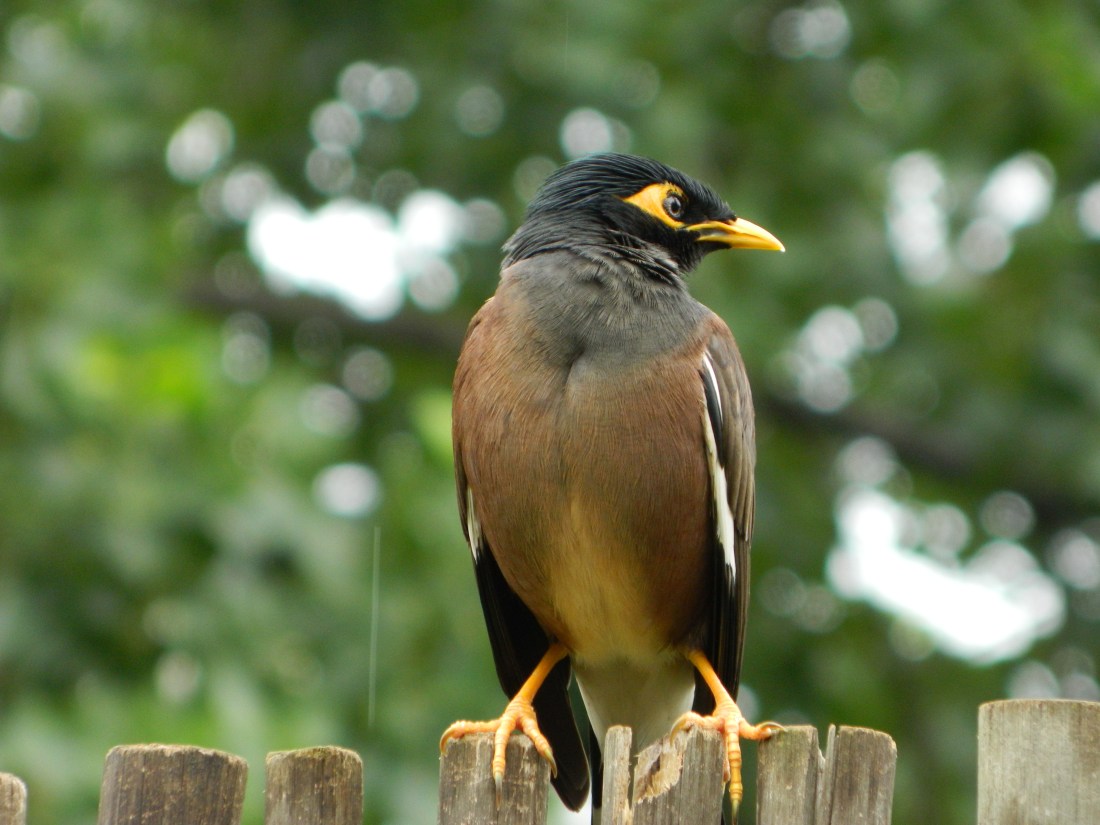
Looking back, the Birding Big Day was a lot of fun and also a success for us. It was fun to go birding in a different way, and unusual to try and focus on everything you see and hear as quickly as possible. We could’ve recorded more species if we prepared the route better and didn’t “waste” time looking for birds that can be found in other areas too. However, given that it was our first BBD, I’m very happy with the result.
Note: I didn’t take these photos on BBD itself, as we were concentrating on finding the birds, not photographing them.
 My Zone Is Birding
Thanks for reporting on our trip, I loved doing BBD with you! AND you create the impression that I’m an experienced birder, too… Mom
LikeLike
Yes the trip was certainly awesome!
LikeLike