
In the hopes of seeing the African Pitta and many other special species, my father and I did a two-and-a-half week birding tour through Zimbabwe. Our major destination was the Zambezi Valley, but we also spent some time in the Honde Valley, the Bvumba and a few other stops along the way.
Preparation
I found most of the birding spots and contact details on the internet and previous trip reports to Zimbabwe served to be very helpful in choosing where to go. Most places we stayed in have their own internet site, but contacting Masoka Camp in the Zambezi Valley was a bit of a challenge; the email address is mackenziezirota@gmail.com. Mackenzie, the owner and guide of the camp, can send you the GPS coordinates of the camp.
Accommodation, driving and guiding
We were able to camp in all of our chosen accommodations, which was not only convenient because it was noticeably cheaper (mostly ± 10US dollars pppn), but also great because both my father and I prefer camping. The road quality was far from good in places, sometimes there were more potholes than tar and therefore careful driving was often necessary, especially before the escarpment and south of Bulawayo. However, the most annoying thing with the driving where the roadblocks, which where regularly placed within a few hundred metres of each other, especially close to the towns. The police tried to fine us for practically everything, but luckily we never ended up paying. We used the services of the guides in every area we birded, although in Harare we had a wetland scout. The guiding isn’t cheap, but it is definitely worth it if you’re keen on seeing the specials, as they have very good knowledge on where to find them.
Trip report
We crossed the border at Martin’s Bridge (Botswana) and then continued north to Francistown, where we stayed in the relaxed and clean Woodlands Stop-over. The next stops were the quiet – unfortunately also bird wise – Big Cave Camp south of Bulawayo and Small World Backpackers in Harare, where we stayed one night, respectively. In Harare I saw my first lifer- a pair of Variable Sunbirds.
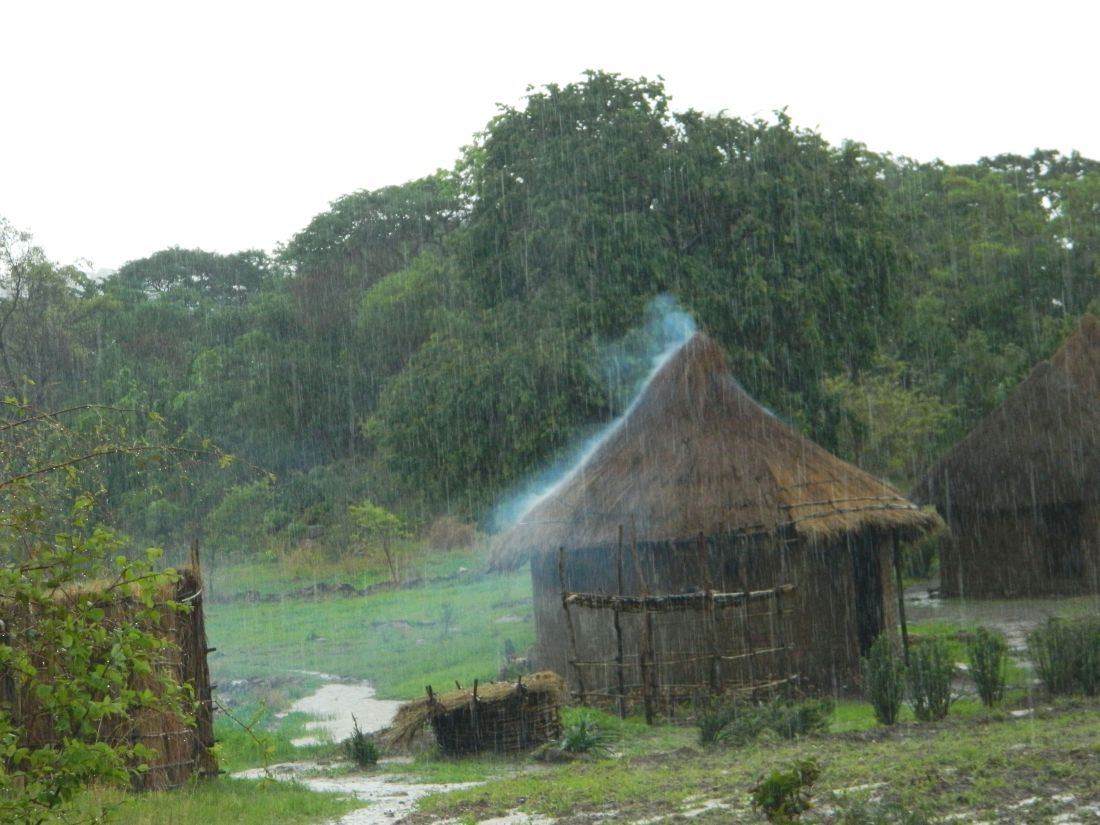
We left for Masoka Camp the next morning. Expecting a five-hour drive, we were on the road much longer due to some wrong turns and bad roads, especially before the escarpment. Below the escarpment, flooded stream crossings and very wet roads also slowed us down.
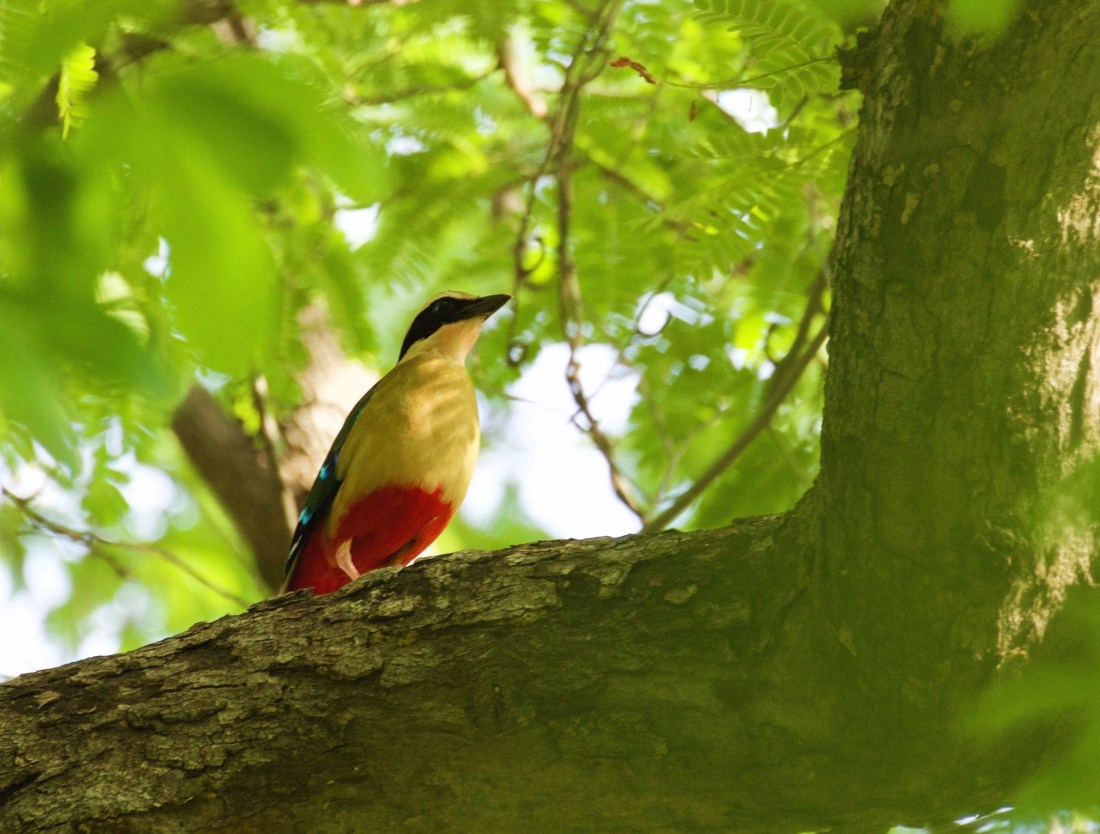
We were happy to see that another birder, John, was there, and he arrived from an afternoon birding trip with the camp’s guide and owner, Mackenzie, who is a friendly guy and excellent guide. They told us that they’ve just seen the pitta, so I was extremely excited to go birding the next morning. The area they frequent is roughly 45 minutes from the camp and once we arrived, we started searching the thickets. After searching for about an hour, Mackenzie heard the pitta call and we rushed to the Leadwood tree in which it displayed. We got amazing views as it showed off its dazzling colours, of which the neon-blue spots on the wings were the most impressive.
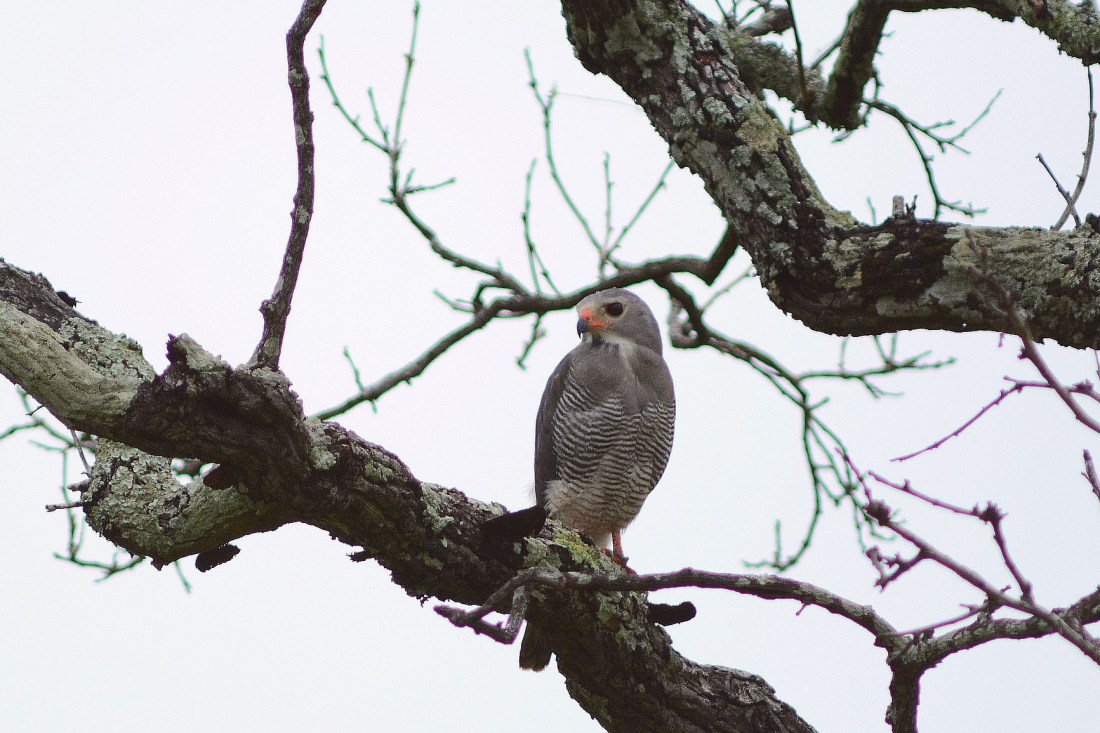
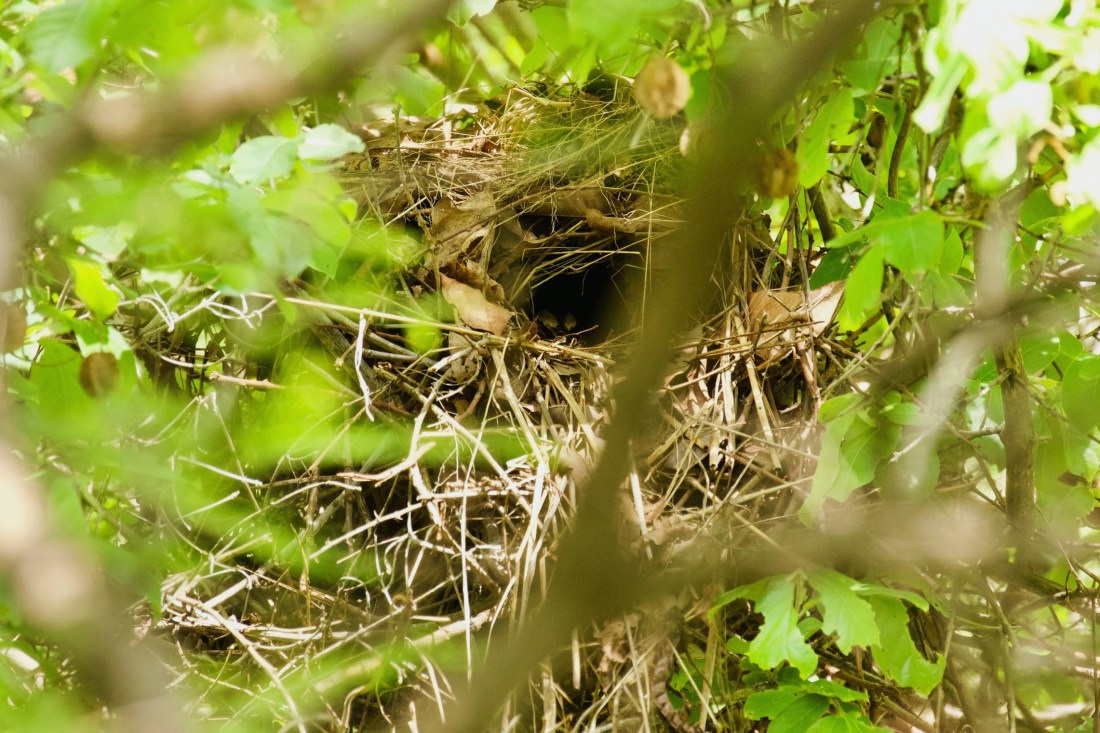
After this fantastic sighting we continued birding, with more lifers being Livingstone’s Flycatcher, Thick-billed Cuckoo and Böhm’s Spinetail. Back at the camp, one of the two workers showed me a male Red-throated Twinspot behind the staff house, another lifer. In the afternoon we visited a big Baobab tree, where we picked up Mottled Spinetail and Eurasian Hobby. African Wood-Owl is resident in the camp and they gave beautiful calls above us as we ate our dinner. Other good birds were Grey-headed Parrot, Arnot’s Chat and Western banded Snake-Eagle. At dusk a group of African Elephant came to the river to drink. The next day Mackenzie took us to a place where he found Orange-winged Pytilia for us, but sadly we were not afforded with good views. On a night drive we saw Bronze-winged and Three-banded Coursers, the latter being another lifer, as well as a Bat Hawk. On the last day we looked for the pittas again in the hope of getting good photographs and in the afternoon we found a nest, complete with an incubating bird! African Cuckoo-Hawk was the last special as we made our way out of the incredibly bird-rich Zambezi Valley.
We birded the vleis in Harare the next morning, where lifers for me were Yellow-mantled Widowbird, Croaking Cisticola and Corn Crake. The following day, we continued to Aberfoyle Lodge, seeing a Bronzy Sunbird at the filling station in Juliasdale, another lifer. At the lodge, we camped on the lawn, but could use all the facilities. At Aberfoyle I saw many lifers, the best being Stripe-cheeked and Yellow-streaked Greenbuls, Scarce Swift, Green-backed Woodpecker, Silvery-cheeked Hornbill, Livingstone’s Turaco and Black-fronted Bush-Shrike. A Magpie Mannikin frequented the pool area. On the last day, we used the services of the guide, Morgan, and he showed us Blue-spotted Wood-Dove, Singing and Short-winged Cisticolas, Black-winged Bishop, Pale Batis, Cabanis’s Bunting, Red-winged Warbler and Eastern Bronze-naped Pigeon amongst many more.
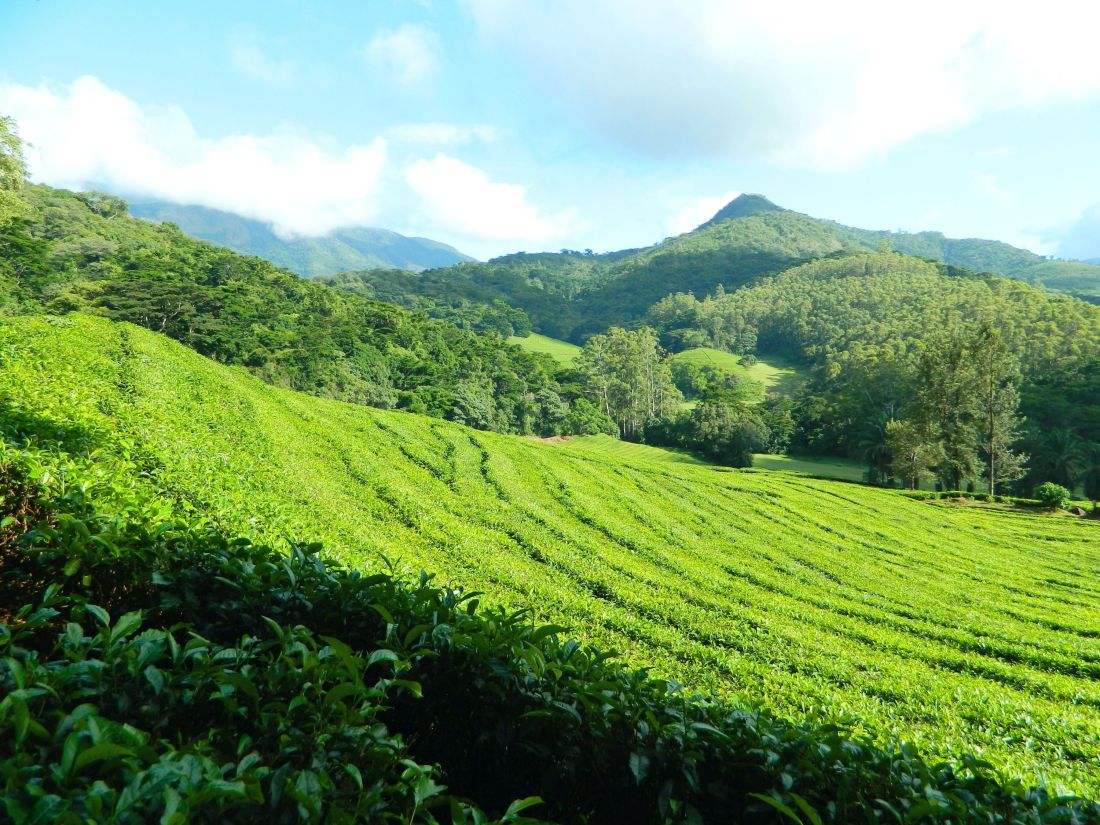
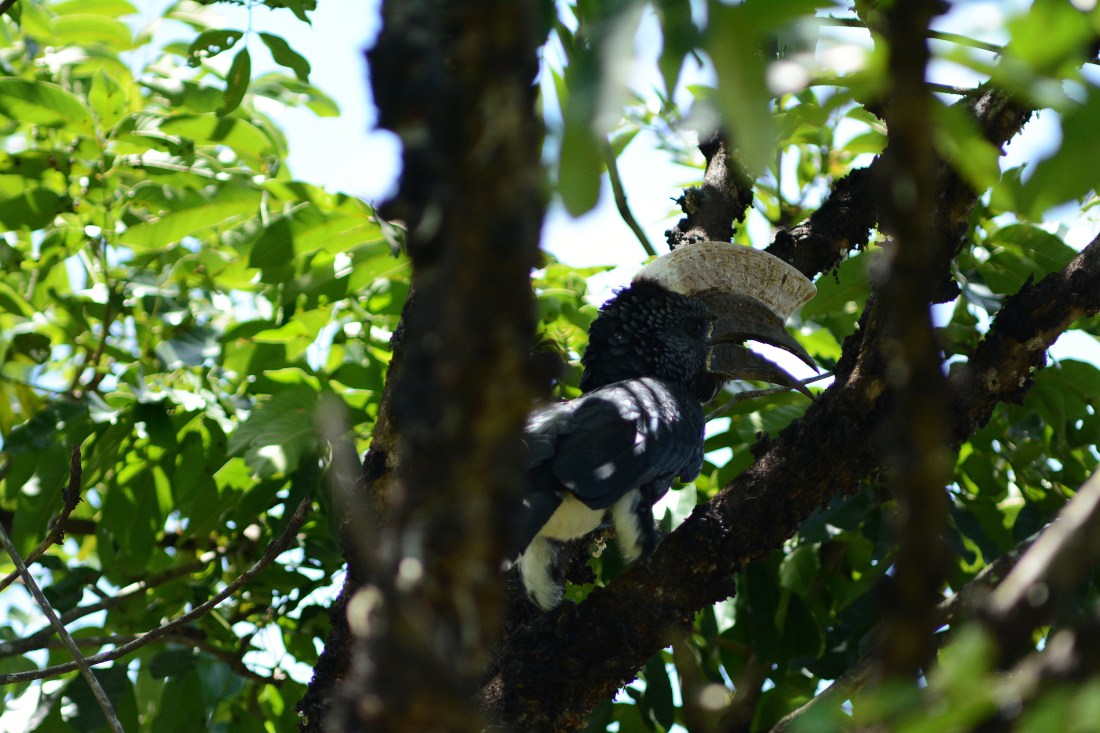
We continued to Seldomseen, which was our last target area in Zimbabwe. We located White-tailed Crested Flycatcher, Olive Bush-Shrike, Red-faced Crimsonwing, White-starred Robin, Yellow-bellied Waxbill and Miombo Double-collared Sunbird in the grounds. Cecil Kop Nature Reserve didn’t disappoint for the long-awaited miombo birding. As we found a bird party, I had one of the most hectic birding experiences in my life as we recorded Collared Flycatcher, Green-capped Eremomela, Black-eared Seed-eater, Miombo Tit and Southern Hyliota in intervals of a few seconds and I didn’t know where to look at first. Cinnamon-breasted Tit, Spotted Creeper, Augur Buzzard, Wood Pipit, Green-backed Honeybird and Lazy Cisticola were excellent birds away from the bird party. On the way back to Seldomseen we stopped at a place of dense forest were we located Chirinda Apalis and Swynnerton’s Robin within minutes.
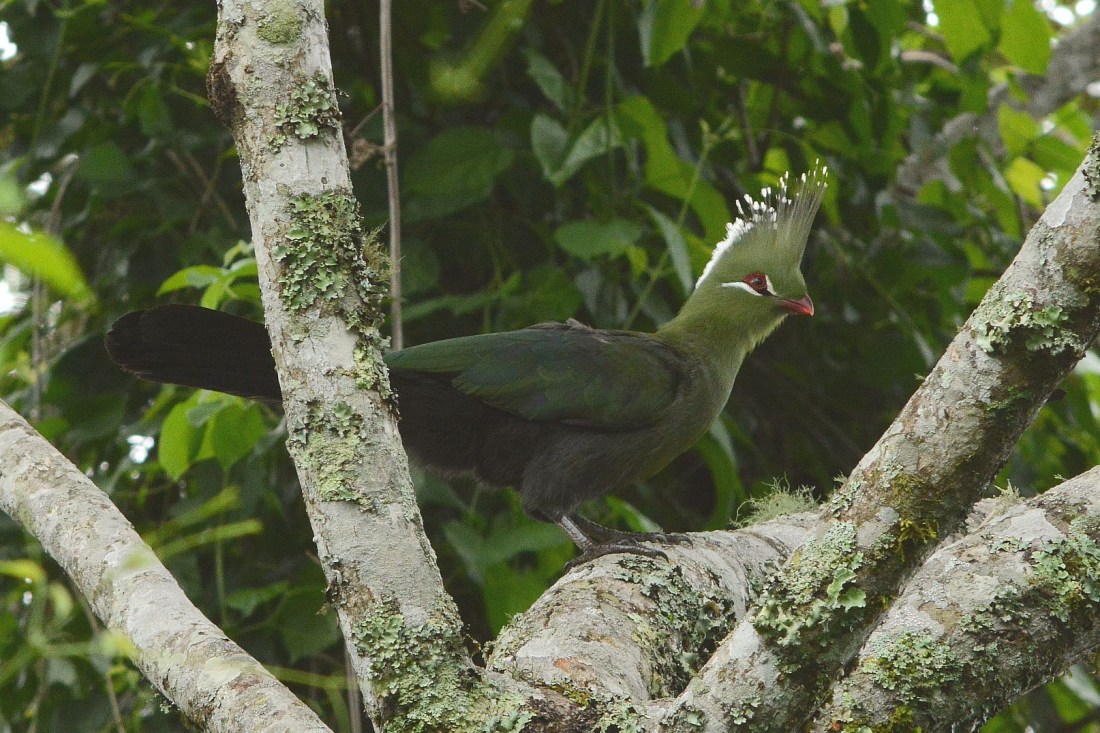
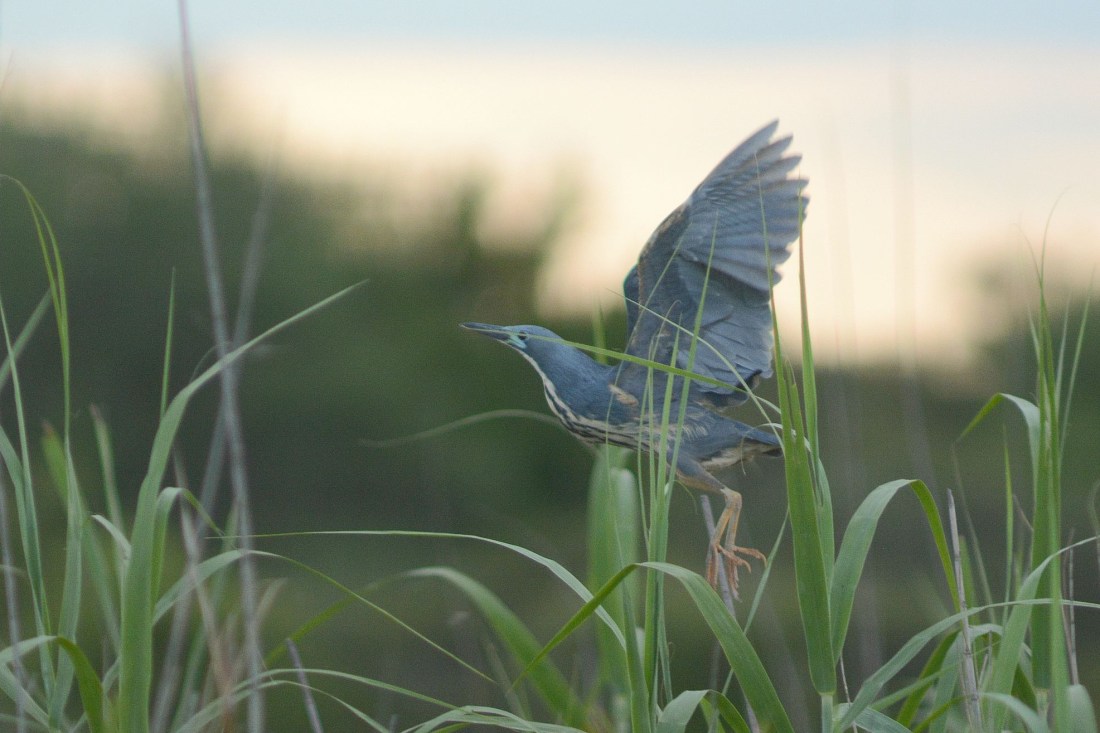
We returned via Masvingo to have a look at the Great Zimbabwe Monument. It was great to take a guided walk amongst the impressive ruins. We stayed in Nylsvlei NR the last night, and made a quick visit to the Jacana Hide at dusk which gave me a further two extraordinary lifers in the form of Pallid Harrier and Dwarf Bittern – a great end to an amazing birding trip.
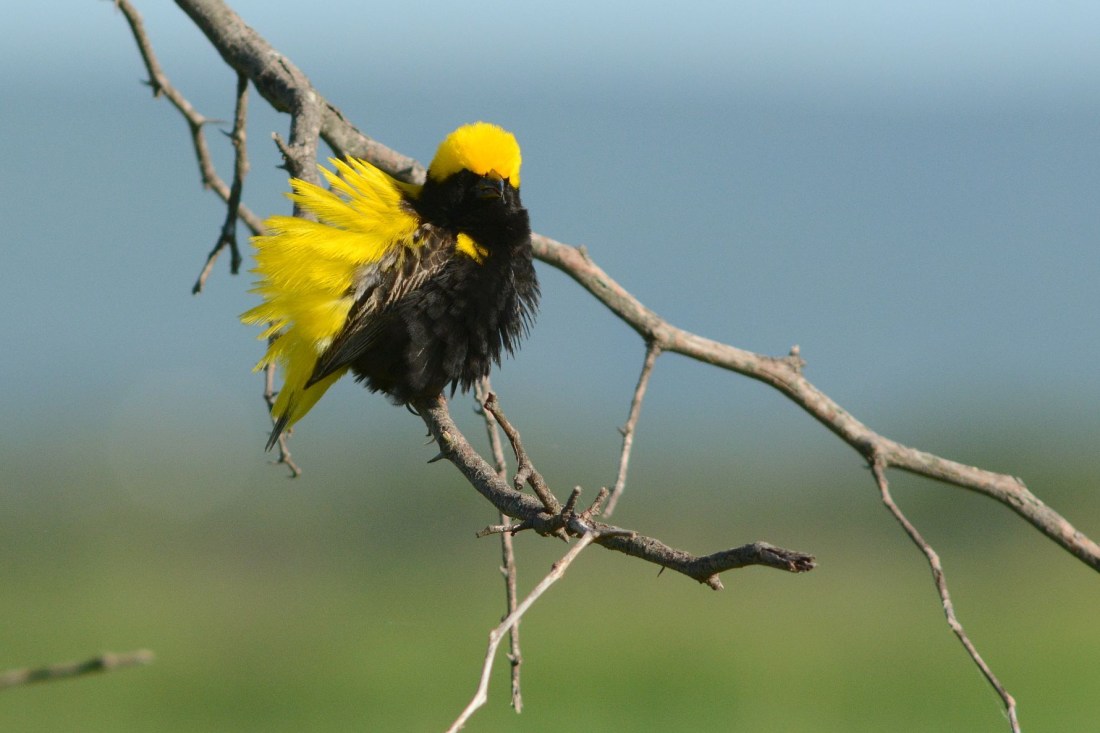
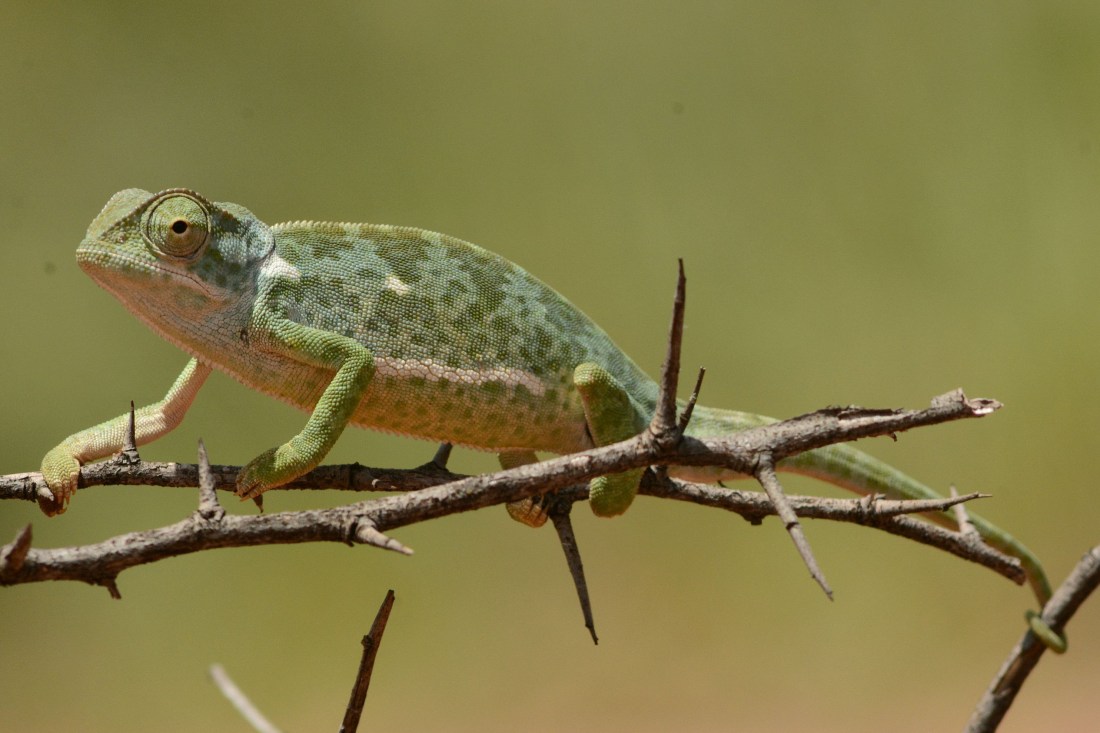
All in all, I definitely think that our birding trip was successful and I would recommend Zimbabwe as a birding destination. Although the road blocks where getting on our nerves and the road quality was far from good in places, we saw over 220 bird species (a large number of them being real specials) and visited great new places in this beautiful country.
 My Zone Is Birding
Nice report and well written! Your father must be a very kind man to take you to these wonderful places…
LikeLike
Hi feuerriegel (cool name btw),
thanks! Yes it was an incredible trip, I’m indeed thankful;)
Luca
LikeLike
Amazing birding trip! Your photos and report almost make me feel as though I had been with you. Thanks so much for this post. 🙂 –Timi
LikeLike
Thanks a lot, that is great to hear! Zimbabwe is an excellent place for birding – a large number of species and many sought-after specials.
LikeLiked by 1 person
Prima Fotos
LikeLiked by 1 person
Danke!
LikeLike