
I was very excited to move to Oxford to study biodiversity conservation, with my only concern being that the area did not appear particularly rich in birding opportunities. Fortunately, this fear was unwarranted as I didn’t find many opportunities to go birding next to my busy studies anyway. Moreover, when I did there was always a pretty surprising suite of birds on offer. One of these outings was to the RSPB Otmoor, a half-hour bike ride from town. A major draw for me were the starling murmurations, for which the RSPB is well-known.
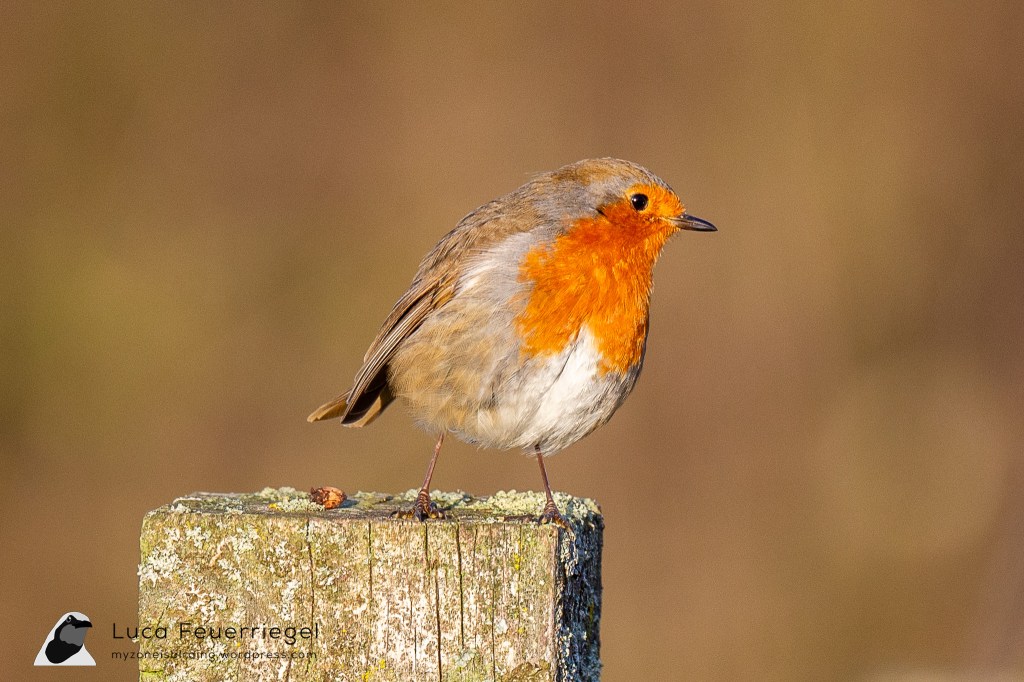
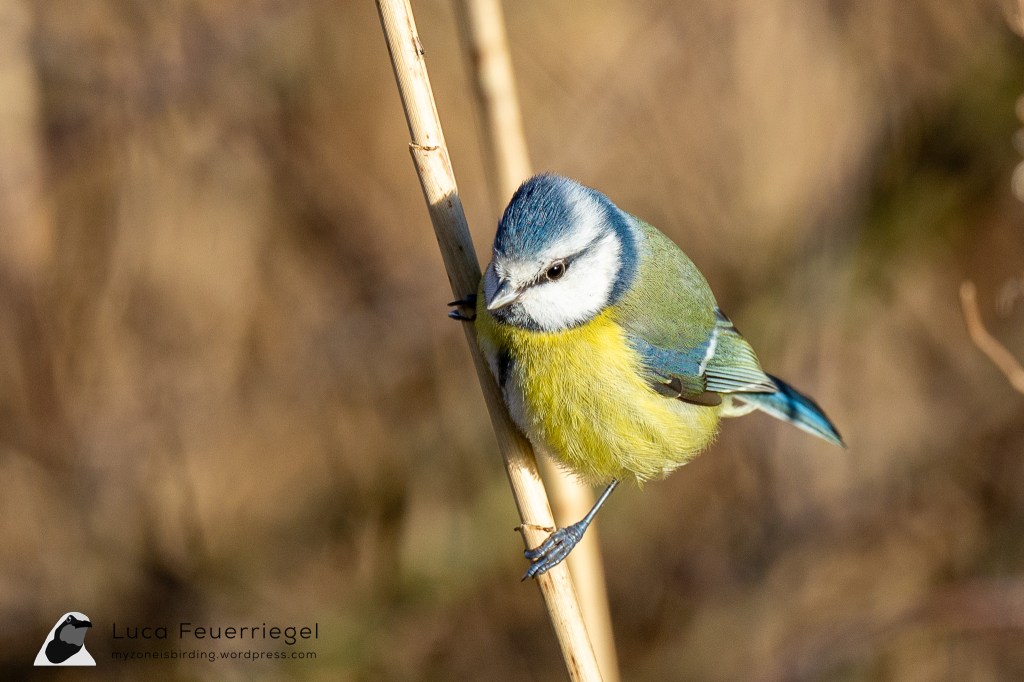
Together with David, a friend from my course and fellow birder, I arrived at the reserve in the early afternoon, giving a few hours birding before dusk. Upon arrival, the bushes at the parking lot were full of thrushes, mainly Redwing and Fieldfare. A few European Robins were around too, acting as sentinels on the fence posts but losing interest in this responsibility rather quickly and dropping back into the thickets. A bird feeding nearby attracted several Great and Blue Tits, a Great Spotted Woodpecker and some Ring-necked Pheasants feeding on the seeds chucked down by the other birds.
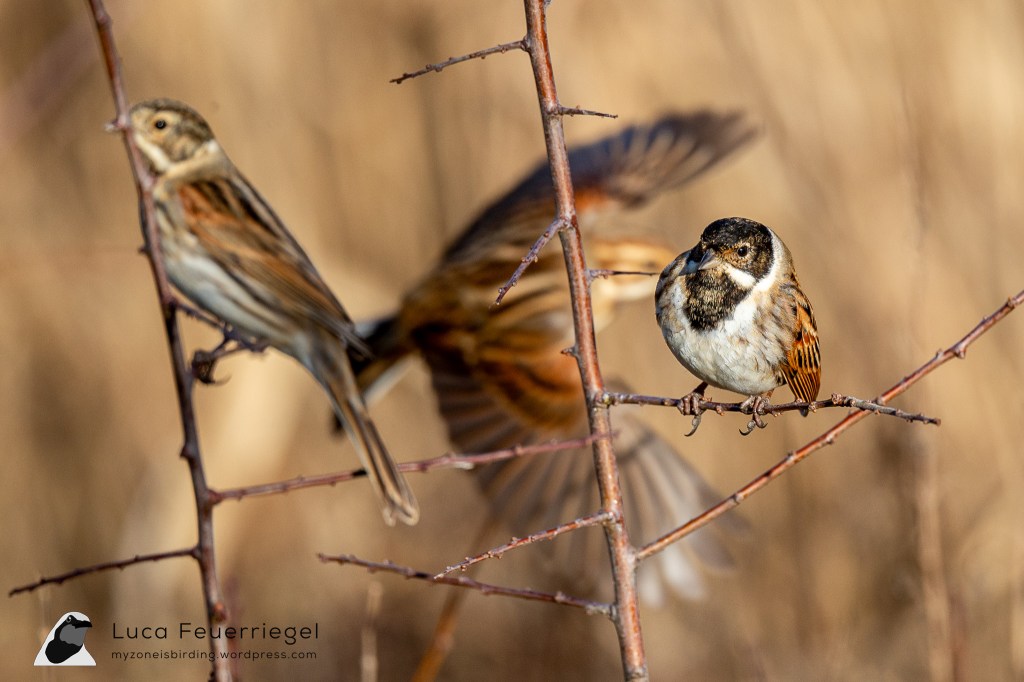
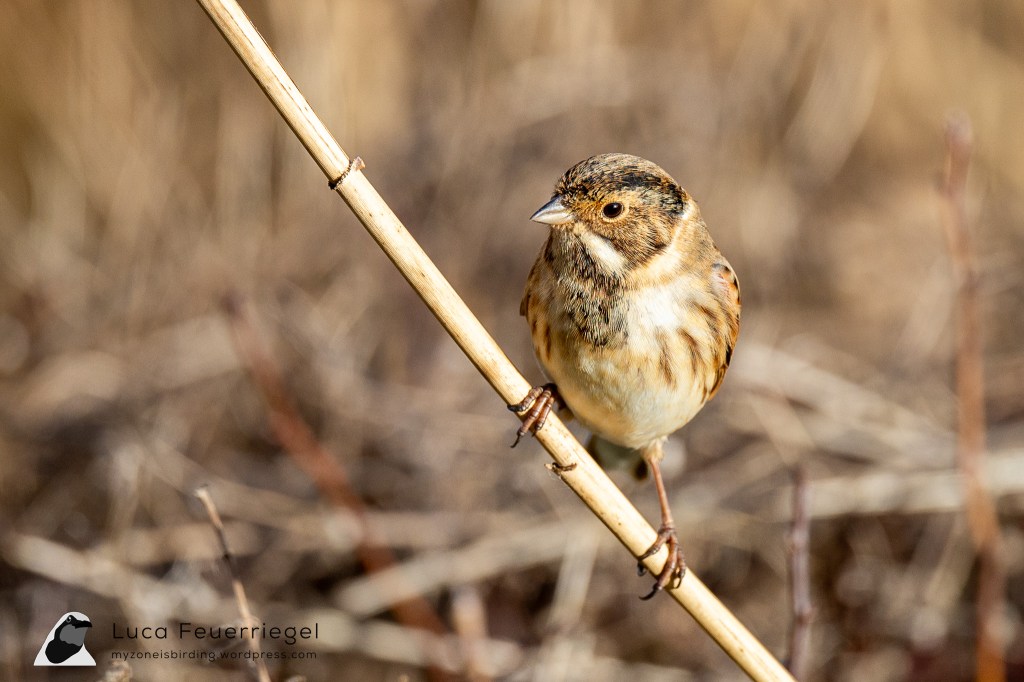
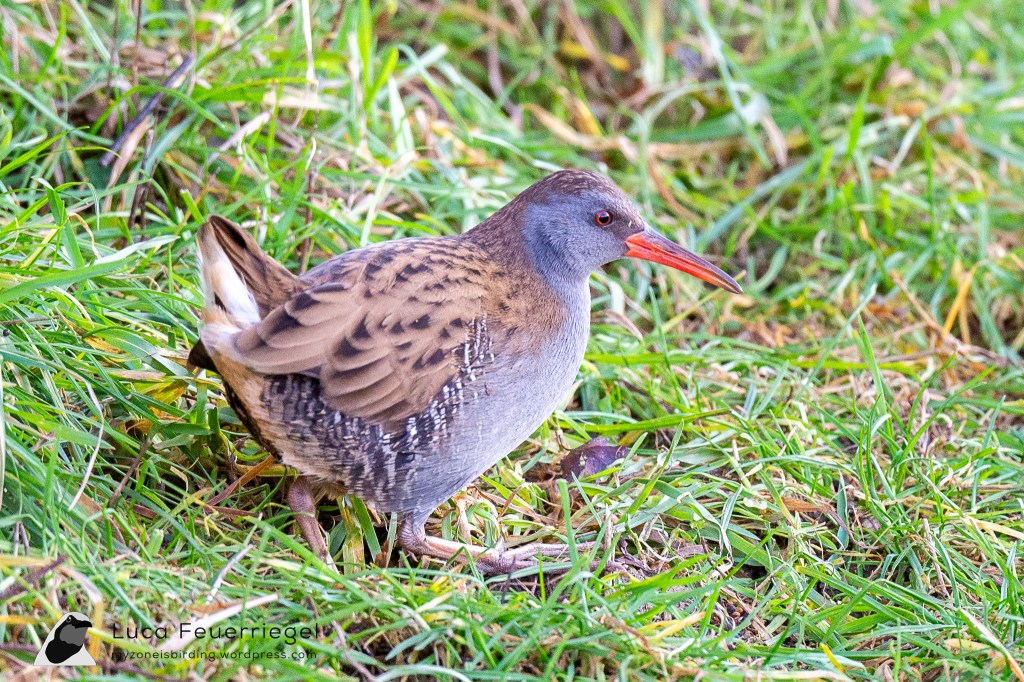
On the way to the hide, a lovely Common Kingfisher darted past, alerting us through its piercing call and appearing only as a neon blue bullet shooting past. A Western Marsh-Harrier was quartering over the reeds that did not deliver the Eurasian Bittern I hoped for. The wetland around the hide was excellent as well, with several species of duck present, and Greater White-fronted Geese in the distance. Among them were a few Tundra Bean Geese, which attracted a few other birders as well. The hide itself was a great vantage point to observe Common Reed Buntings, and while doing so a Water Rail popped out of the nearby hedge, providing fantastic views.
As dusk settled, we got ready for the Common Starling murmurations, but had to wait for a while and then only seeing them rather far in the distance, being slightly less spectacular than I hoped. This was one of these moments which you’ve only seen on photos before and you thus believe are always absolutely mindblowing, forgetting that the photos that reach you are only the most awe-inspiring cases, with many times things actually being less dramatic. Still, it was very impressive to see the clouds of starlings move above the fields in the distance, proceeding to move and turn at intangible speeds while constantly changing shape. It was definitely a great ending to an outing that was made so much better by some rare sunshine.
 My Zone Is Birding