
Having left Zambia behind me at the busy and noisy border town of Nakonde, I was happy to push my bicycle into Tanzania, another country I’ve never been to before. Feeling comfortable in my new shoes (I bought a pair off a guy the evening before after realizing that my shoes had fallen off my bicycle in the luggage compartment of the bus) I was eager to get into a bus to make my way north. But before continuing, a brief overview of the sites I visited follows. This was part of a tour that took me, partly by bicycle, from Botswana to Kenya via Zambia and Tanzania, the focus of this post. In Tanzania, I stayed at:
- Utengule, near Mbeya
- Mikumi
- Mangula, bordering the Udzungwa Mountains
- Dar-es-Salaam
- Lowlands north of the Usambaras, near Mkomazi National Park
- Moshi & Arusha
- The sparse thornveld near Lake Natron
- Mto-wa-Mbu & Karatu near Ngorongoro crater
I bought a few samosas and asked around for the bus to Mbeya, noticing immediately that communicating in English is going to be more challenging from now on. My inability to speak Swahili was immediately demonstrated when I underwent a rather tiring odyssey trying to find a bus to Mbeya. Eventually, I managed to hitch a ride to a bus stop, from where it was another five-hour ride (through stunning scenery in places) before I was dropped at Mbalizi, from where I used my one uninjured leg to cycle the final 10km to Utengule Coffee Lodge. I chose this place as it seemed to be a comfortable environment in which to spend two more rest days to allow my knee to recover further (which I had injured back in Botswana). I pitched my tent ($13/pn) as it started raining, exhausted after a whole day of travel to cover only 100 km.
24. & 25.04.
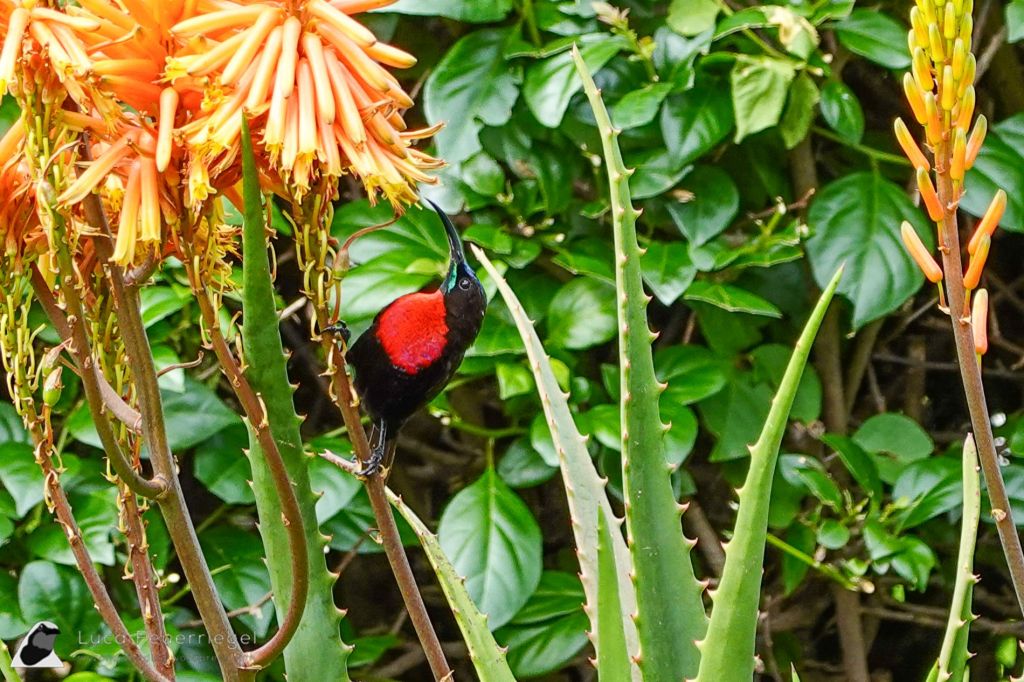
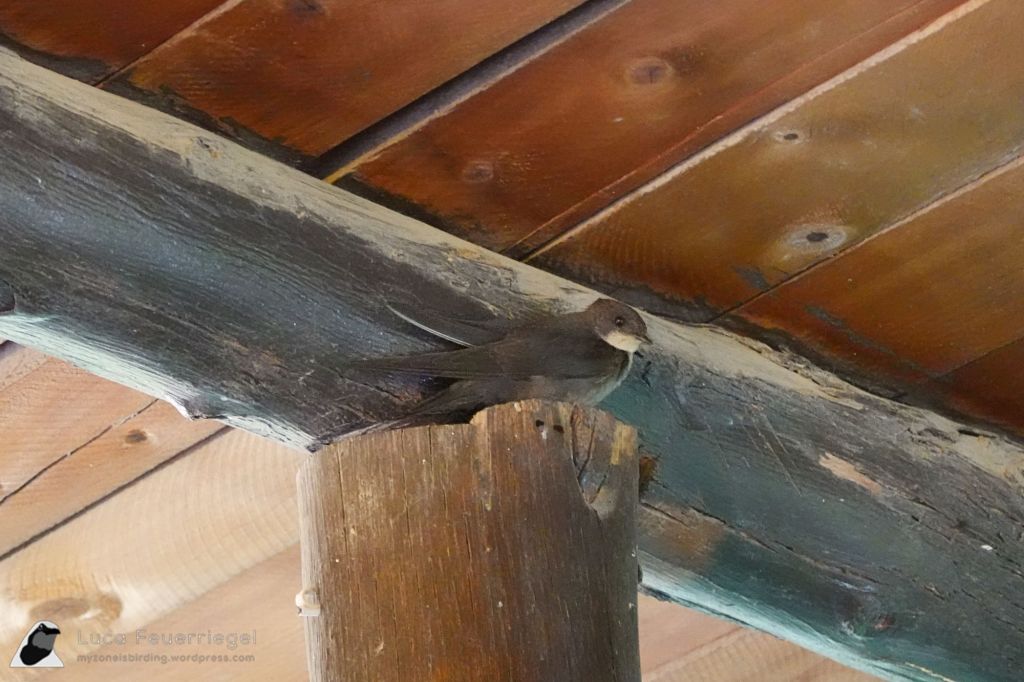
Throughout the next two days I tried to keep myself entertained by a large number of birds in the gardens, most of which I knew from South Africa. Brimstone Canary, Scarlet-chested, Olive, and Variable Sunbirds, Bronze Mannikin, Magpie Mannikin, Red-billed Firefinch, Spot-flanked Barbet, White-browed Coucal, Red-throated Crag-Martin, Meyer’s Parrot, Bennett’s Woodpecker, Trumpeter Hornbill, Crowned Hornbill, Baglafecht Weaver, and African Harrier-Hawk were all easily seen. Walking a few hundred metres along the track towards the coffee plantation produced African Goshawk, White-breasted Cuckooshrike, and Grey-olive Greenbul among others.
26.04.
I organised a taxi from the lodge to take me to the Mbeya bus stand at 5AM to catch a bus to Mikumi (TSH 110k for myself and my bicycle – probably a rip-off but there was little I could do). Camp Bastian, where I decided to stay, was a few kms cycling, and I was very relieved to notice that I could bend my left leg normally for the first time since my injury.
27. – 29.04.
While waiting for the bus to Mangula, I treated myself to a rather heavy breakfast in the form of a chipsi mayai. On the ride I chatted to a guy slightly younger than myself who enjoys videography. He showed me some of his material and told me how he hopes to become very successful. This was one of many conversations that were some of the hardest moments for me on the trip, when it was clear that the gap between realistic possibilities and the dreams of many young people always seemed so much more gaping than in Western countries.
I arrived at Hondo Hondo Udzungwa Forest Tented Camp (long name!) at the surprise of Benson, the caretaker, as the place seemed to be de facto closed for this season. However, they were immediately invested in making my stay pleasant and succeeded at that. I felt bad that they were putting in all this effort for me as their only guest, but as I managed to negotiate a very good deal for half board, I could give the staff the difference to the original price as a tip. A reasonably rainproof shelter under which I pitched my tent was a great feature of the campsite, as the daily torrential downpours were amongst the heaviest I’ve ever experienced.

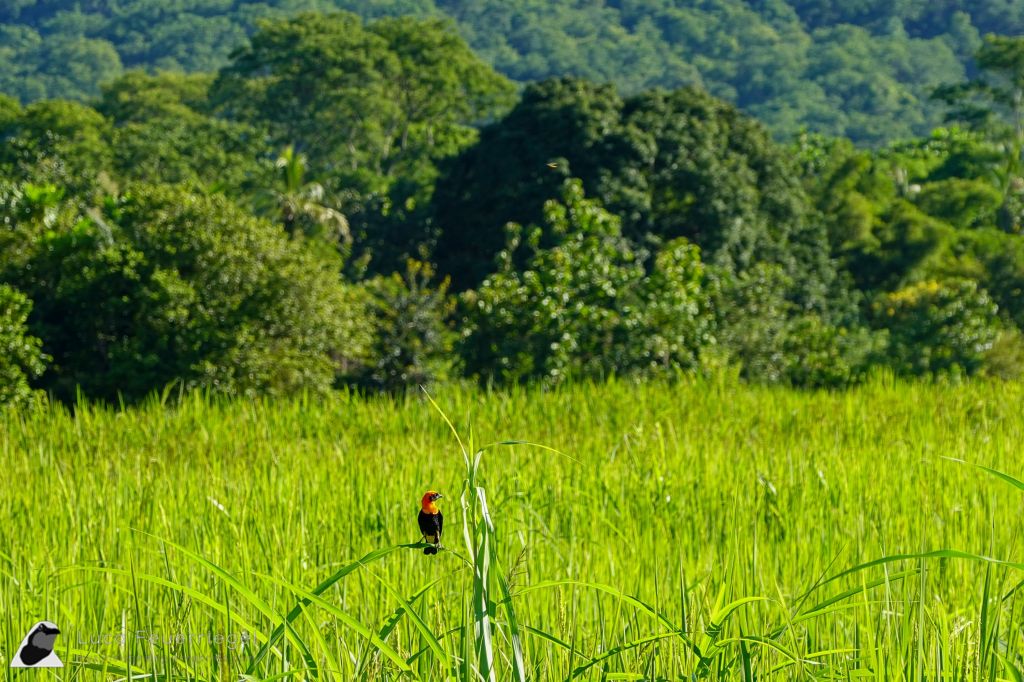
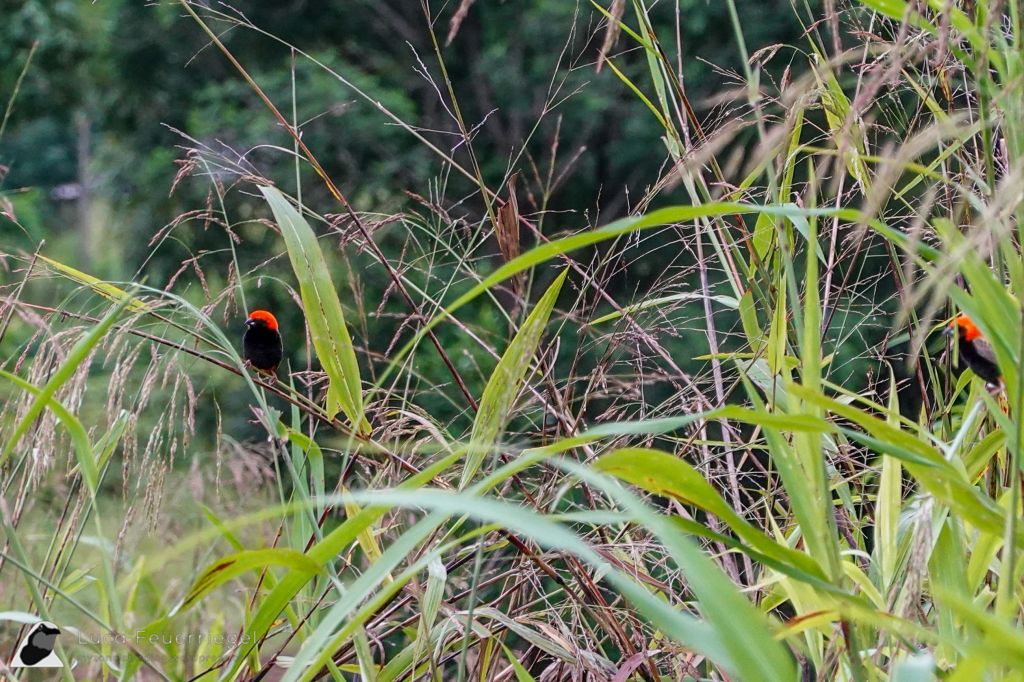
One of the main reasons for me to come to this area was that Lesser Seedcracker is apparently present in the rank vegetation bordering the rice fields at the turnoff to the lodge. Despite desperate searches over the three days I was there, I did not manage to find it. Instead, this area held Black-winged Bishop, Zanzibar Red Bishop, Fan-tailed Widowbird, Black-and-white Mannikin, Magpie Mannikin, Red-billed Firefinch, Zebra Finch, African Golden Weaver, and Grosbeak Weaver. The amusing nasal calls of Trumpeter Hornbills frequently resounded through the trees on the lodge grounds, and from the restaurant I saw Livingstone’s Flycatcher, African Crowned Eagle, and huge numbers of Silvery-cheeked Hornbills passing through in small groups (easily over 50 in total).
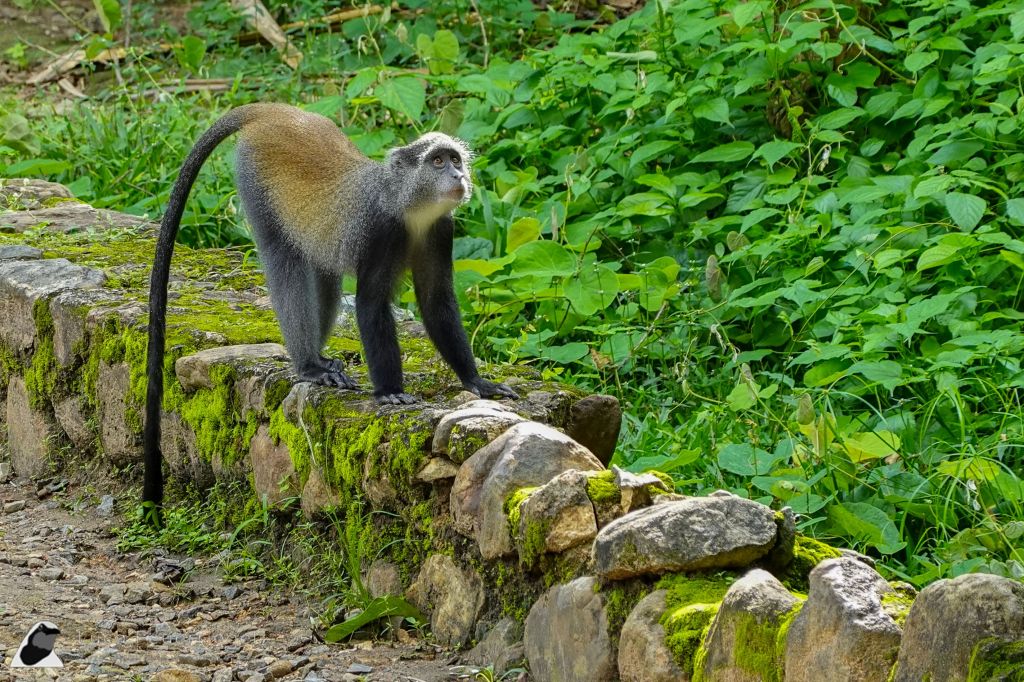
I went into the forest with Benard, a young local guide specialising in birds whose contact I got by chance (+255 65 865 4330). Benard was very knowledgeable and we saw a decent number of birds. My hopes were high for some attractive East African forest specials (e.g. Bar-tailed Trogon and Green-headed Oriole), but we were out of luck. With my knee, we also could not walk great distances and thus stayed in the lower elevations. Good new birds for the trip were Green Twinspot, Red-throated Twinspot, Green Malkoha, Livingstone’s Flycatcher, Grey Cuckooshrike, Square-tailed Drongo and Dark-backed Weaver. In the afternoon we visited a patch of forest slightly further south, where the highlight for me was Black-and-white Shrike-Flycatcher, a species I had been wanting to see for years.
30.04.
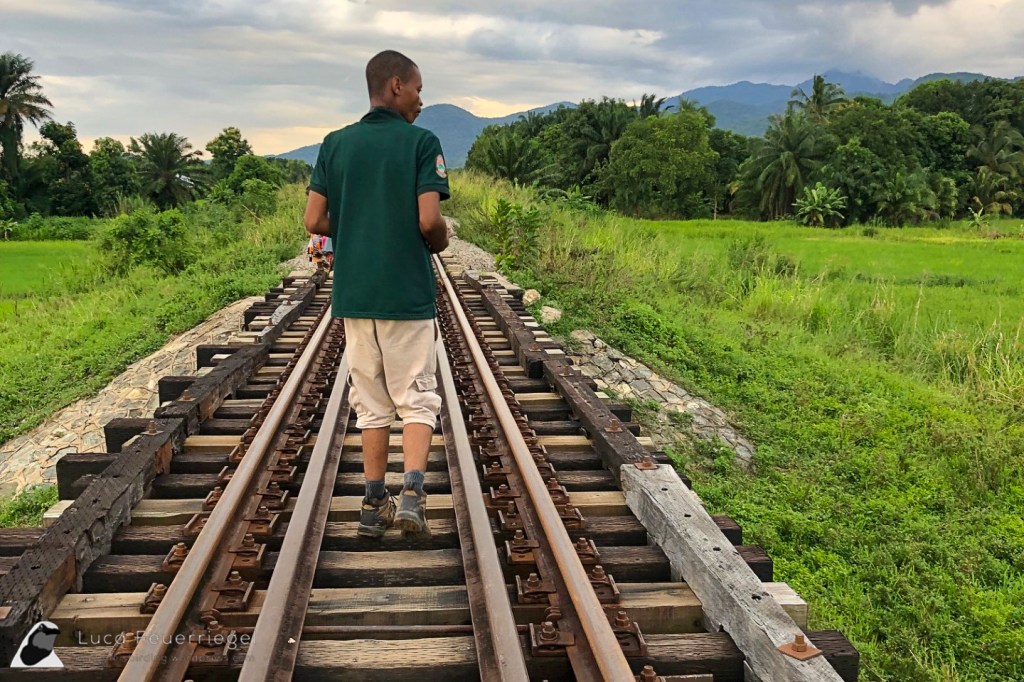
I returned to Mikumi by bajaji. The people laughed at me when I called it a tuk-tuk, the name by which I know the three-wheelers from Sri Lanka. After having checked back in to Camp Bastian, I decided to give the famed miombo woodland north of town a try. It took a little bit of research to find out how to get there, and then an even longer time explaining to a piki-piki (motorcycle) driver where he should take me. Ask for the “pipeline” – they all know this, a random spot located in a promising-looking area. While feeling slightly naked being dropped on a gravel road in the middle of nowhere without my bicycle, I figured that there should be a few piki-pikis and that nobody would let the chance pass to collect some extra shilingi from a mzungu! My main quarry was Racket-tailed Roller which I had missed in Botswana and Zambia, but it appeared that Africa’s avifauna wanted to provide me with another reason to return one day. Instead, I lucked into two other lifers in the form of Shelley’s Sunbird (hofmanni subspecies) and Reichenow’s Seedeater, as well as a few more common species.
01.05.
The woodland did seem very productive and would’ve deserved more time, but I had different priorities. I continued to Dar-es-Saalam the next day because Sami, my friend with whom I had planned to continue cycling up to Kenya, was about to arrive. Arriving at the Safari Inn in Dar, the run-down appearance of the buildings in the area struck me. This was probably because I had heard about the influential role the city occupied for many centuries and this formed some vague unrealistic expectation. Safari Inn was a great option (double room TSH 45k with breakfast), and after getting over my initial surprise exploring the lively streets of Dar was enjoyable, with lots of different people mingling at small eateries, stores, and markets.
02. – 04.05.
Sami arrived in the morning as planned, but his luggage didn’t make it. We decided to spend our waiting time in a nicer area and camped at Kipebeo Beach Club for a night (with Northern Red-fronted Tinkerbird). Using the Kigamboni ferry was a fun way to get there, and it was refreshing to spend time at the beach and talk to someone with a similar mindset after three intensive weeks filled with new experiences. Upon our return, we checked which bus company could take us to Korogwe at the foot of the Usambaras the next morning, when Sami’s luggage was supposed to arrive. This seemed to be awfully tight planning with many unknowns, so we agreed that I would head to the bus office (Esther Luxury Coach – rather comfortable indeed, which might be obvious given the name but I had learnt that “luxury” does not actually imply a difference) to be ready to buy the tickets when Sami confirms to have collected his luggage at the airport. This worked perfectly and a few minutes after the tickets were issued, Sami arrived by taxi with his bicycle box and bags. In Korogwe, we set up Sami’s bike and headed to the aptly-named White House Inn.
05.05.
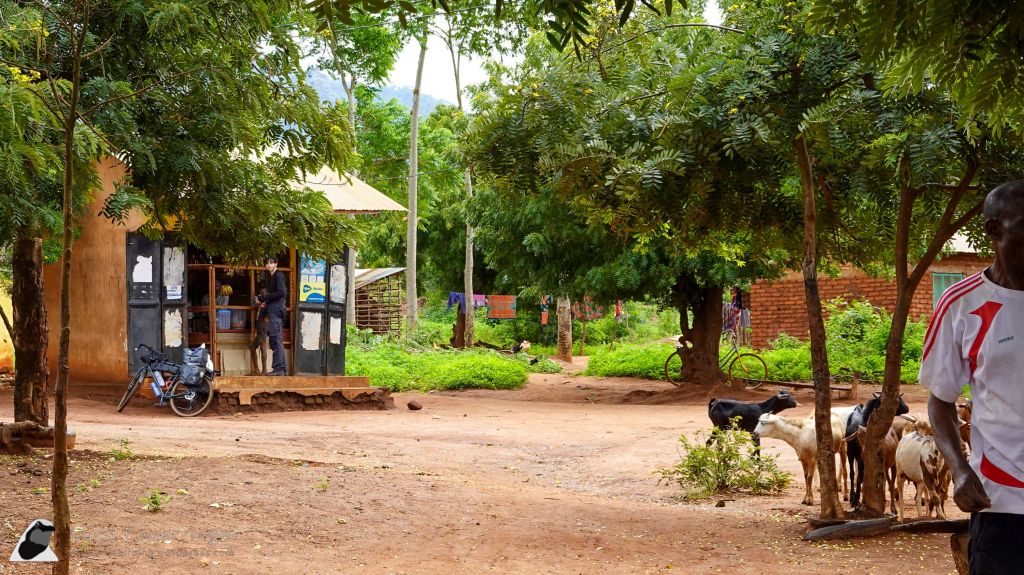
We set off in the morning, with the plan to cycled around the northern edge of the Usambaras. Our initial intention to cross the mountains was scrapped because we were both weakened by a light food poisoning we got in Dar, probably from the coleslaw they serve with the delicious tandoori-style chicken they grill on the streets. We cycled north mainly along sisal plantations and other agricultural areas, as well as the odd village. The gravel roads were bone-rattlingly and pannier-breakingly bumpy, and at times we were really frustrated about getting permanently thrown around in our saddle. We aborted our lunch break cooking pasta in an open area next to a school when dozens of children arrived to investigate our actions, forming such a tight group that we could barely move. I had good views of D’Arnaud’s Barbet, African Pygmy Kingfisher, Lizard Buzzard, White-browed Coucal and African Harrier-Hawk on the way, and at dusk pitched our tent in an open space in front of a hut in Kijiungumoto, which the mwenyekiti (village leader) had assigned to us. This was the first time we slept in a village, and we noticed that we must get used to our every move being observed, especially by children.
06.05.
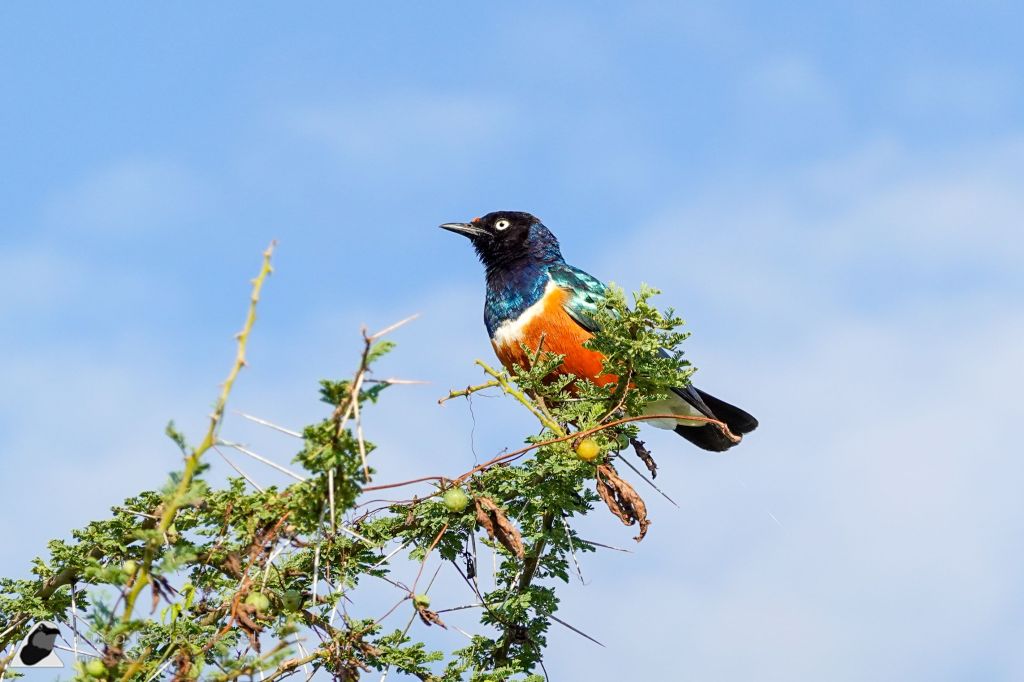
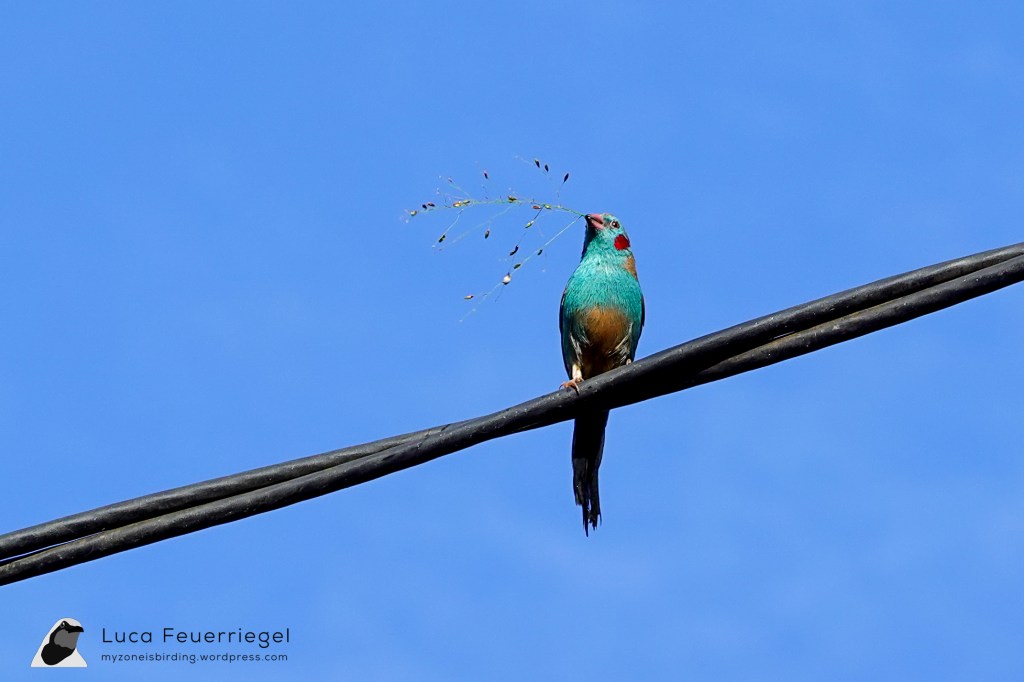
We continued in the morning, up to a village that I think is called Ngwalu, but I never managed to find out what they call it with certainty. It was a tiny village with a lot of space between the houses, set in the plains but with a clear view of the Usambaras, truly a lovely setting. We camped behind the house of Ali, who earned his living by collecting water from a nearby river and delivering it to the village. When we were there his motorbike was broken, so he had to make do with his bicycle. We mainly cycled through acacia woodland on the way to the village, which produced Red-cheeked Cordonbleu, Von der Decken’s Hornbill, Northern White-crowned Shrike, and Slate-coloured Boubou. Gorgeous Bushshrike was, judging by its song, very common a few kms north of Kijiungumoto. I saw my first Superb Starlings in Ngwalu and was very glad to see this common but stunning bird, probably one of East Africa’s signature species. The village also produced Grey Wren-Warbler, African Bare-eyed Thrush, African Green Pigeon, and White-headed Buffalo-Weaver.
07.05.
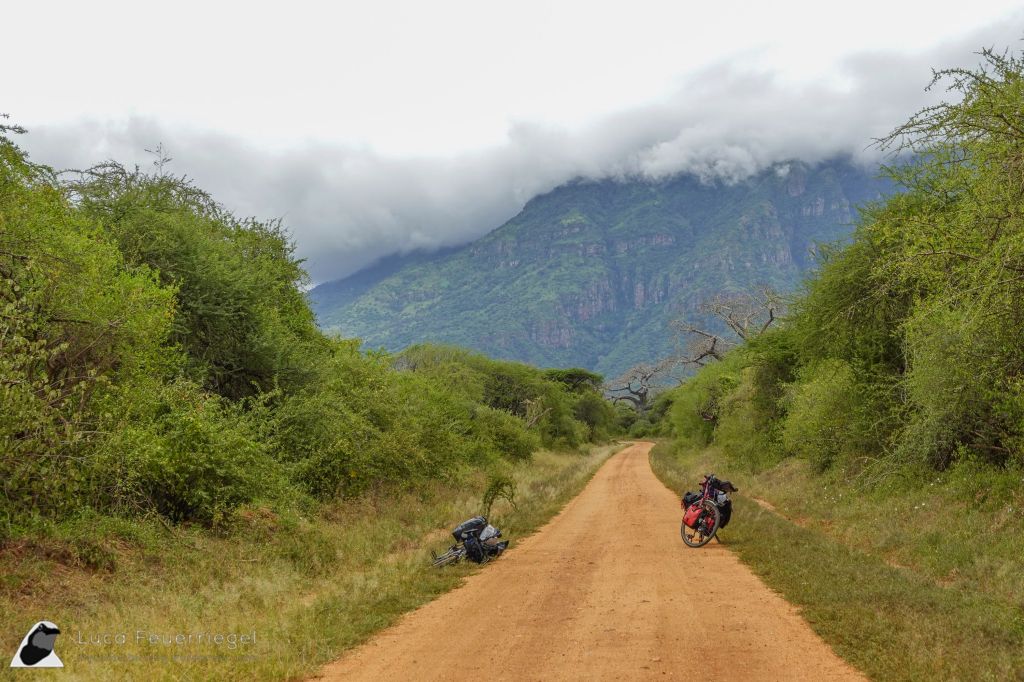
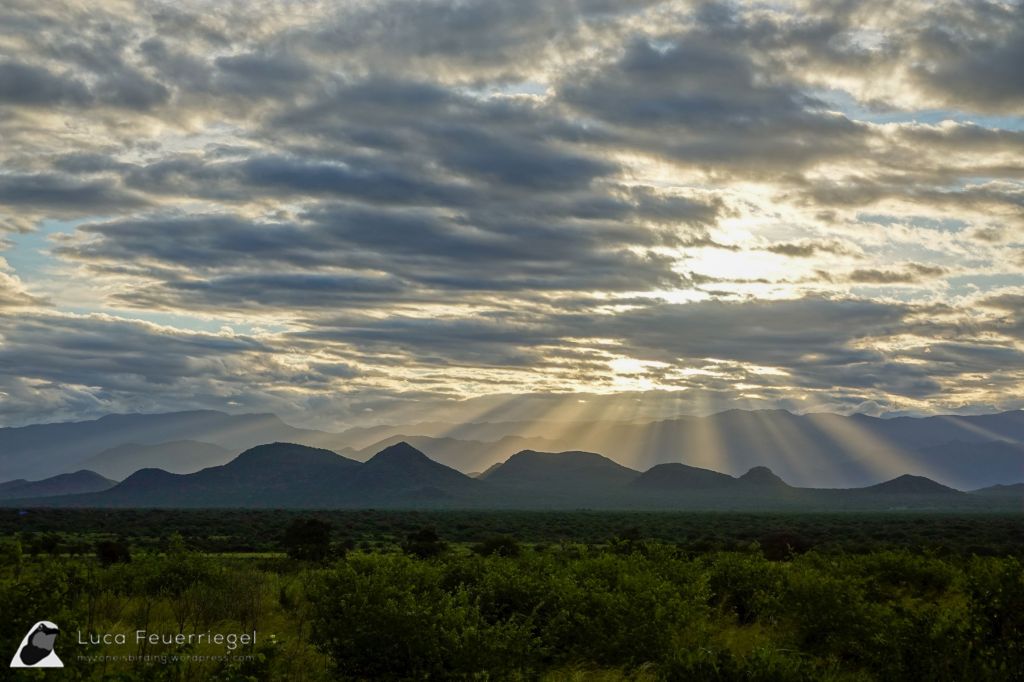
Today’s cycling mainly saw us pass more thornveld and sisal plantations, adding Long-tailed Fiscal and Spotted Palm-Thrush to the trip list. It was in an abandoned plantation near Mkundi Mtae where we pitched our tent in the evening after asking a farmer for permission. The views here were excellent, with rank grass in all directions offering dramatic views of the mountains in the distance. We also enjoyed the solitude in the evening, while I was very glad at a sighting of a lifer Harlequin Quail, which called all around us.
8.5.
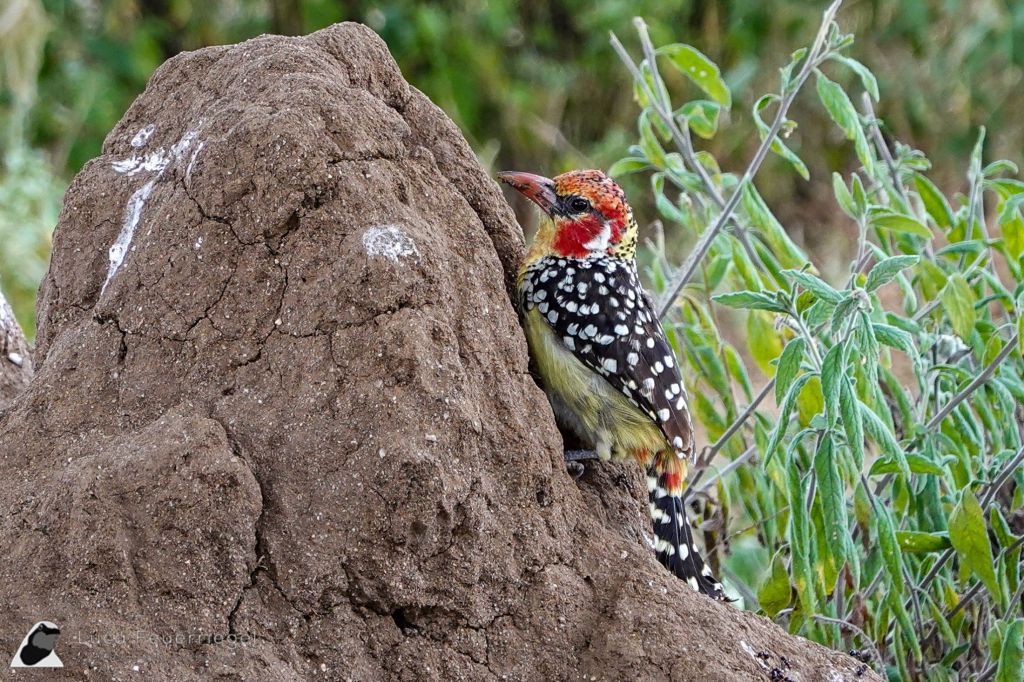
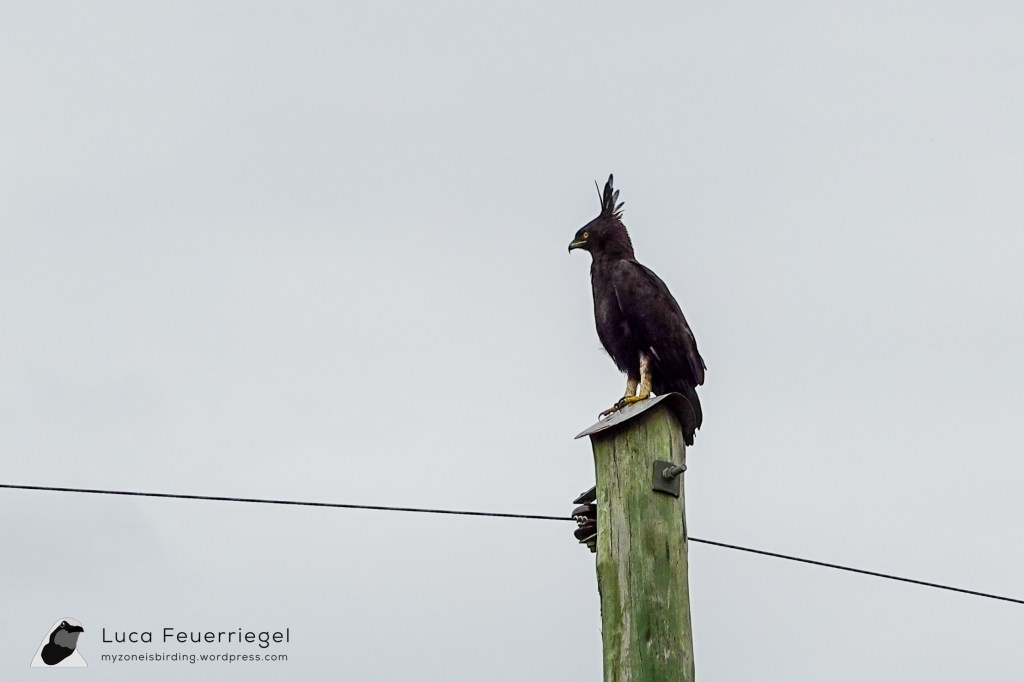
The rough gravel roads stretched ahead of us today as they did the previous days, although by now we were more used to the corrugated surface. Eastern Chanting Goshwak, Vitelline Masked-Weaver, Red-fronted Prinia, Golden Pipit, Red-and-yellow Barbet, and Nubian Woodpecker made it on the trip list today, all of them lifers. An approachable Long-crested Eagle was also a nice sight. We made good progress all the way to the vicinity of Mkomazi National Park’s Njiro gate, where we asked for the mwenyekiti of a small village by the road. Sami was very eager to camp on a small hill at the edge of the village, and the mwenyekiti agreed, sending a group of guys with us to show us a suitable spot. It was one of the nicest sites we had on the trip, and we were even happier to find out that a group of rangers for the national park were stationed on the hill, which they used as a base for mitigating human-elephant conflict using drones. The ranger team, led by Isaak, was very convivial and they were happy to show us how they use a drone to chase elephants back into the park in a nearby agricultural area, a very memorable moment to witness.
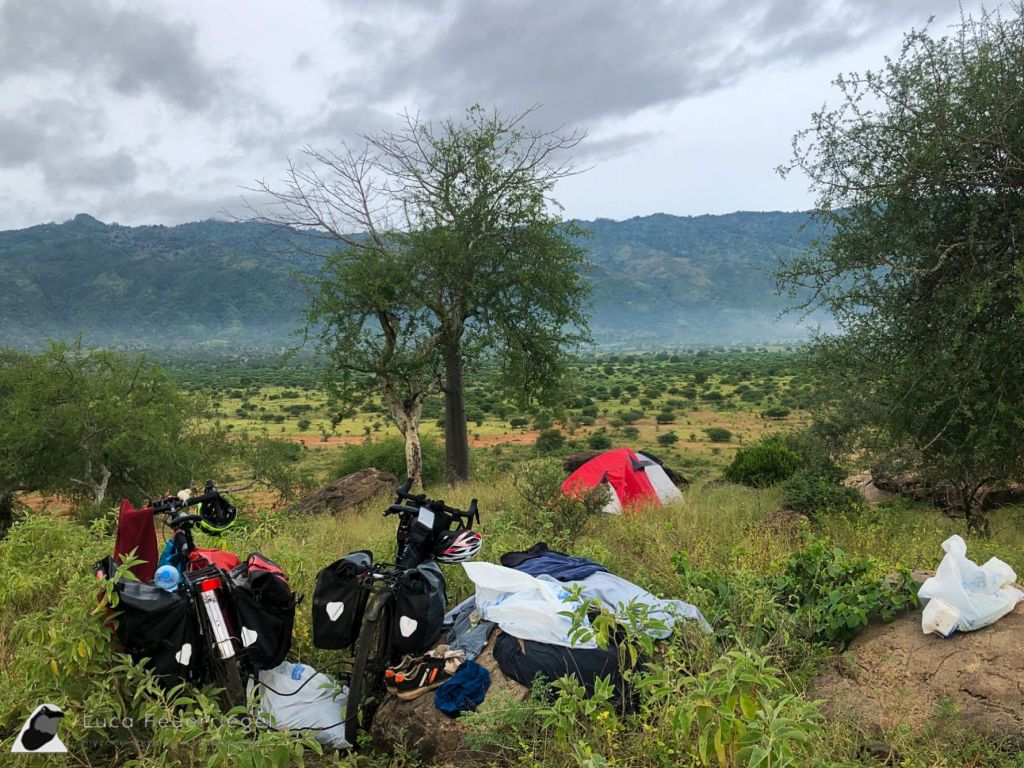
09.05.
The next morning, Isaak was so kind as to invite us for breakfast at their camp, and we had a fun time chatting with them over tea. Looking back, we it would’ve been a good idea to see if we could visit the park with them. Not only were they extremely friendly and kind, but it was also easy to communicate in English, making conversations a lot more interesting. Feeling that we needed to continue however, we packed up and left. We reached the main tarred road that leads north towards Moshi by late morning and followed this road until the evening, when we pitched our tent in the thickets some distance from the road, near the town of Mgagao. White-bellied Go-away-bird, Augur Buzzard and Straw-tailed Whydah were new birds for the trip today.

10.05.
As we pushed our bicycles back onto the road in the morning, two elephants crossed the road 50 metres ahead of us. We watched them for a while and saw that they passed the exact spot where we took down our tent half an hour earlier! We soon turned back onto the gravel (here), and cycled north-east up to Kambiya Simba, where we camped in the mwenyekiti’s garden, right by the road. Southern Grosbeak-Canary, White-headed Mousebird, Red-bellied Parrot, Tambourine Dove and Brown-breasted Barbet were the most interesting sightings. We got a dinner consisting mainly of chapatis (as usual) in the village bar in the evening, where a very drunk guy advertised his “medicine” (a clear, high-percentage alcohol).
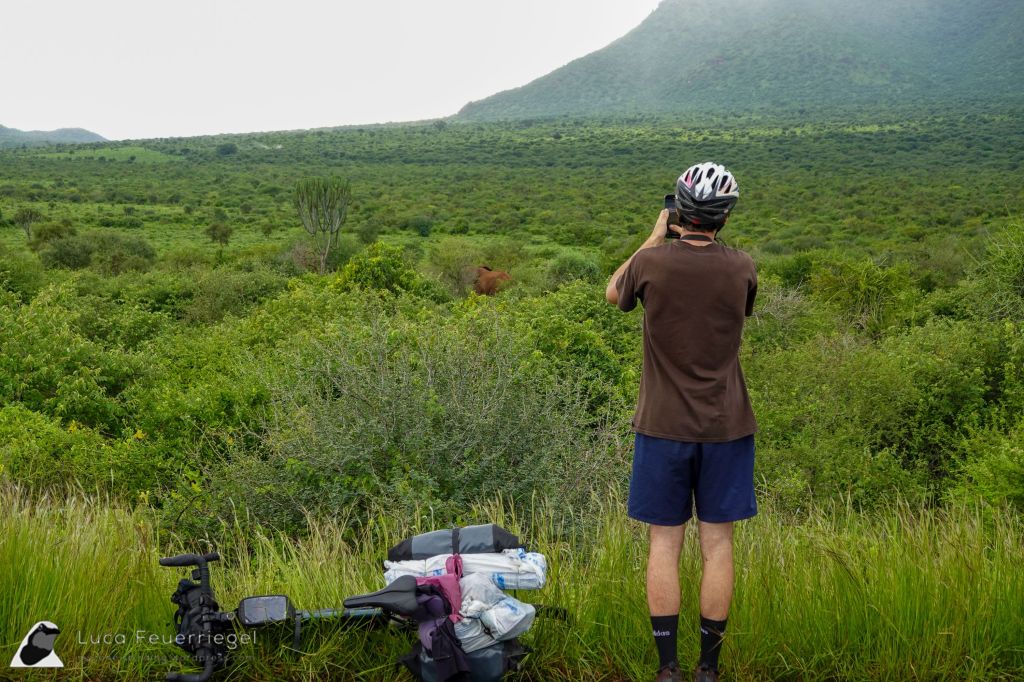
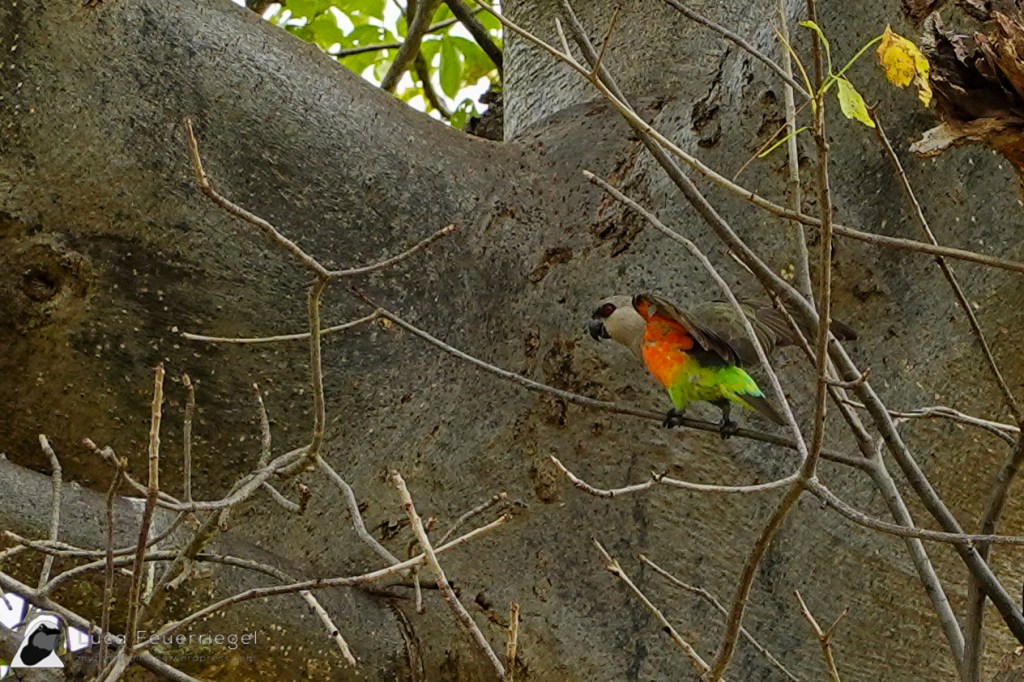
11.05.
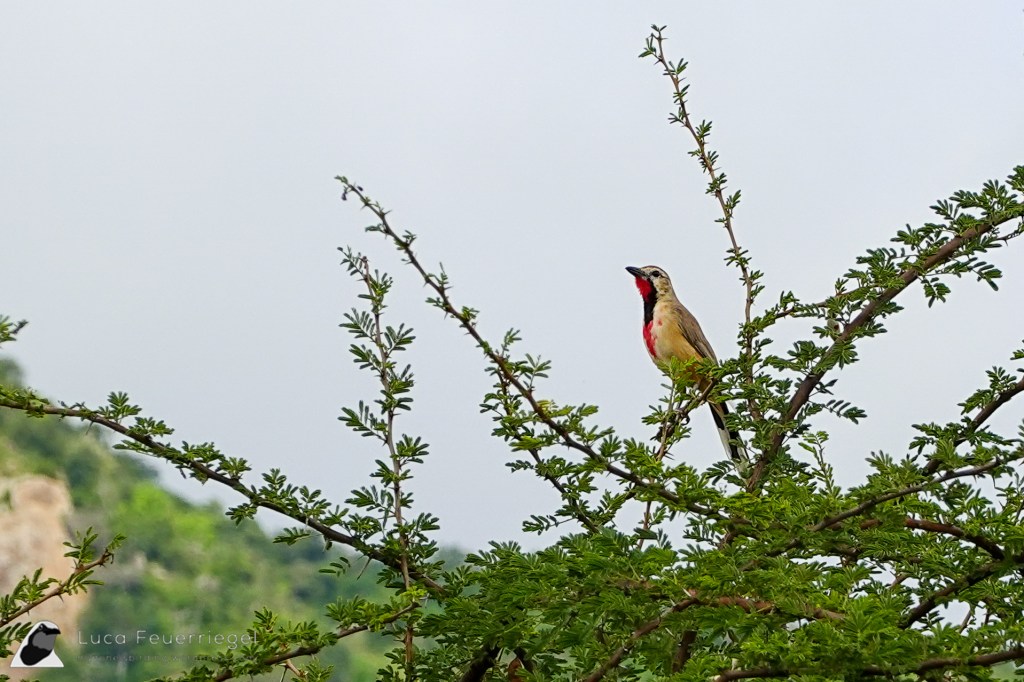
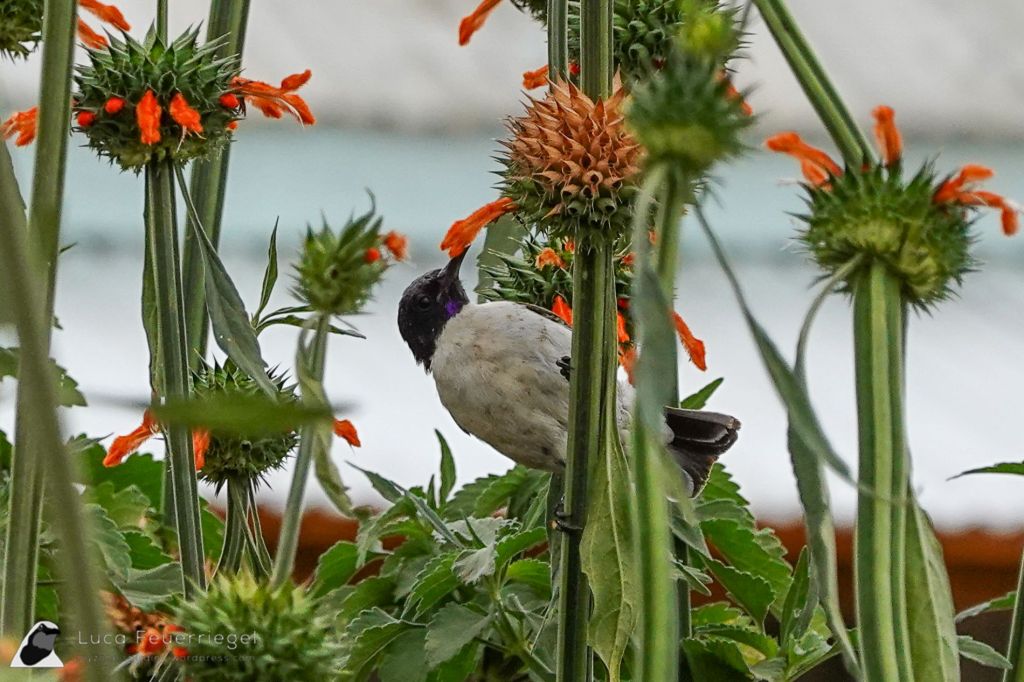
The gravel road gradually turned west until it rejoined the tar once again, passing some attractive hilly country on the way. Thanks to the smooth tarmac, we made it all the way to Moshi by mid-afternoon, where we settled into the affordable Climber’s Home, a hostel boasting a lovely rooftop with views of Kilimanjaro – if you can find it, for us it was totally obstructed by clouds. The day had been another productive one for birds, with Rosy-patched Bushshrike, Eastern Violet-backed Sunbird and a brief stop here producing Taveta Golden Weaver and Spur-winged Lapwing.
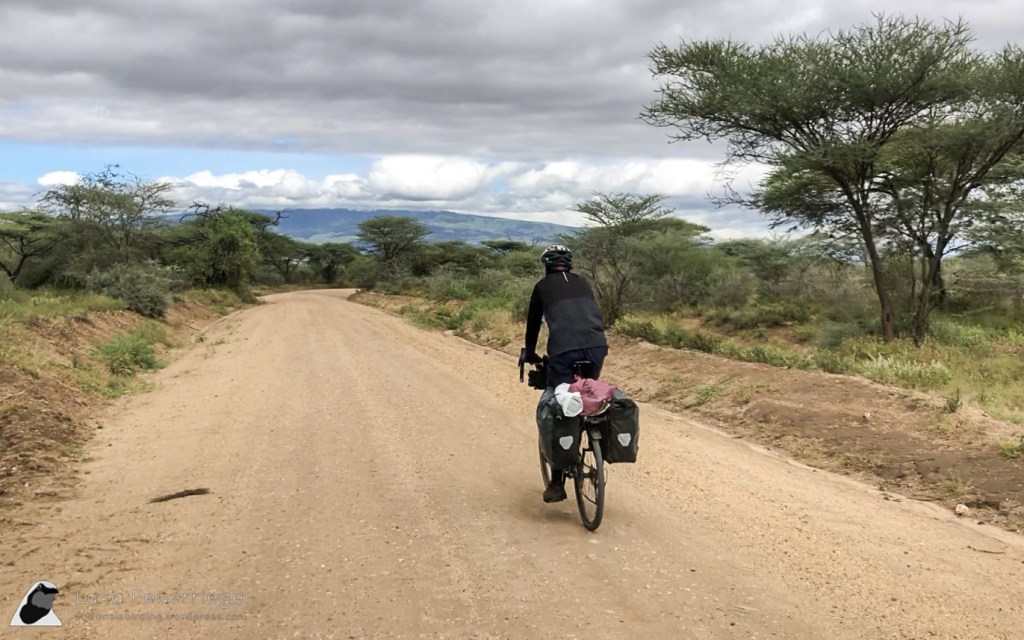
12. & 13.05.
We were eager to get out of the chaos of the city as quickly as possible. The ride to Arusha was rather hectic on the main road, but we sometimes took advantage of slow trucks, holding onto them and getting a lift for a few kilometres, much to the amusement of the drivers (I only told my family about this a few weeks after having returned from the trip). The only new bird today was Rufous-tailed Weaver. The presence of Marabou Storks was a good indicator for the increasing volumes of trash produced by a denser population in this area. The high population density was the first difference Benard, the guide in the Udzungwas who’s from Kilimanjaro, remarked when I asked them about the differences between the two regions.
In the evening, we decided that the next segment of our trip would constitute of continuing towards the Serengeti via the Lake Natron Area. I know a person working as a ranger in the Serengeti and we hoped to be able to stay at the ranger camp, to get a sense of what they are doing there, similar to our experience outside Mkomazi NP. We therefore continued to Longido by Matatu the next day. As the Matatu left quite late, we could not cycle far, instead we turned off the road after a few kilometres and found a spot to sleep. We did not pitch the tent and just slept on the footprint, an amazing (if slightly naïve) experience under the starry sky.
14.05.
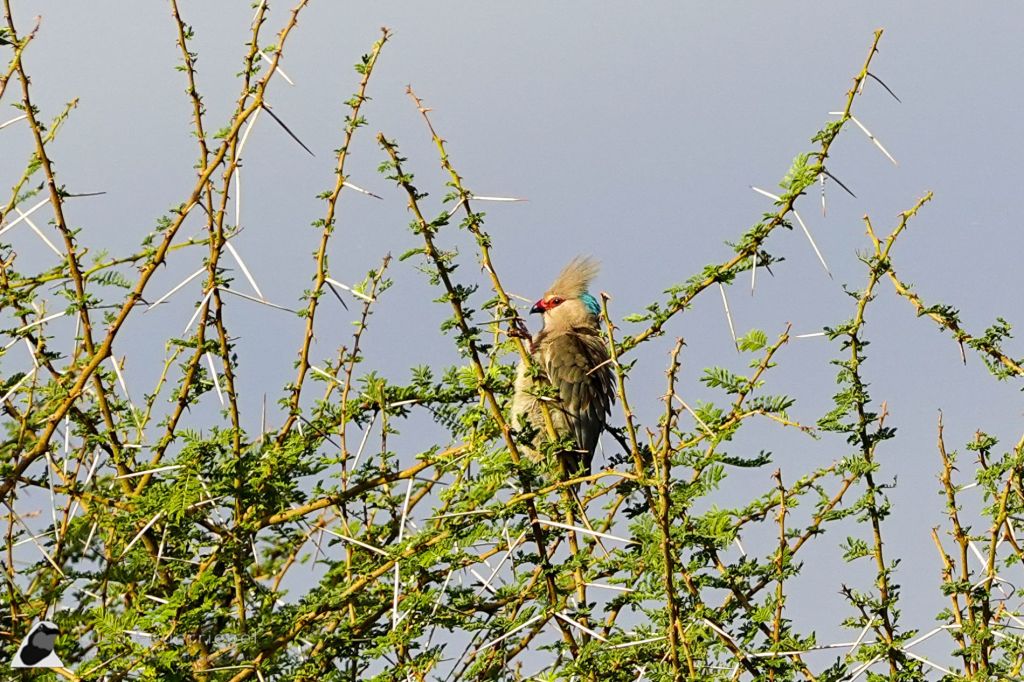
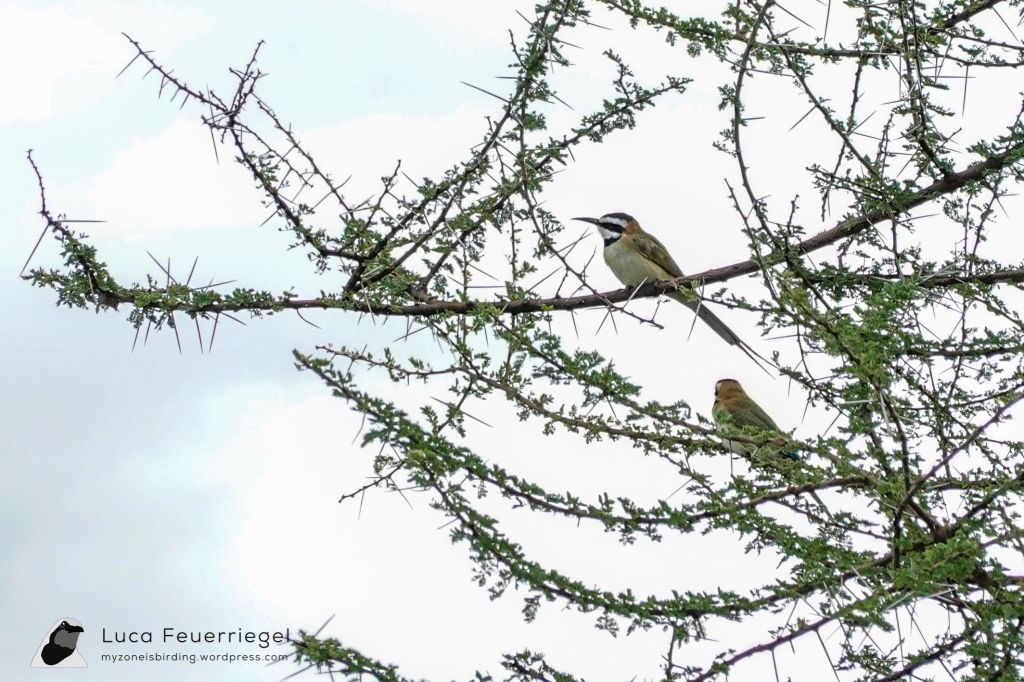
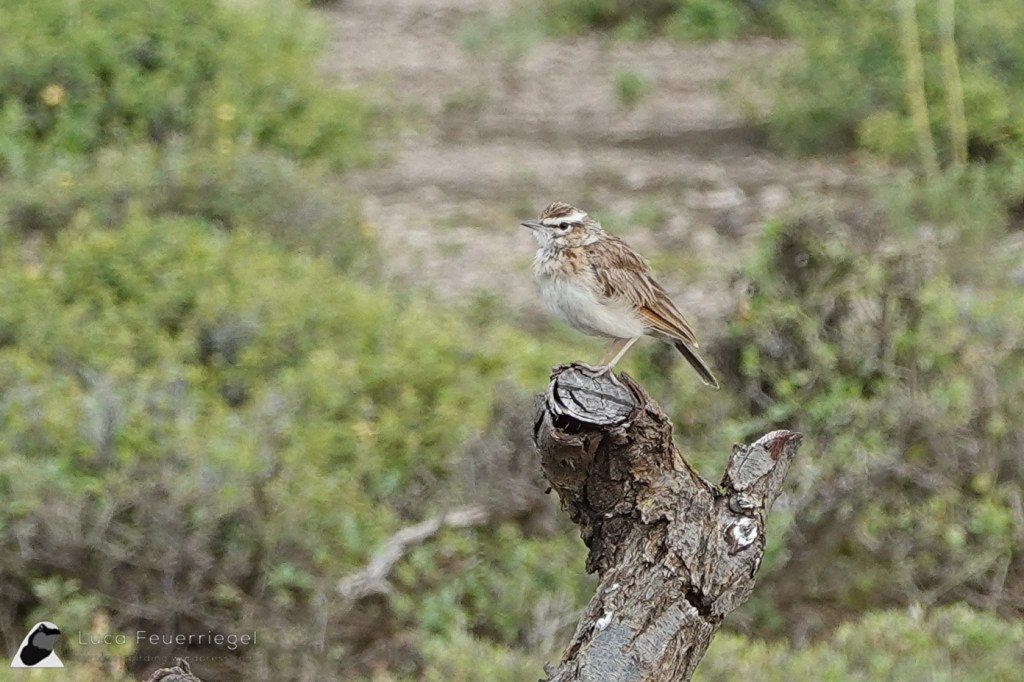
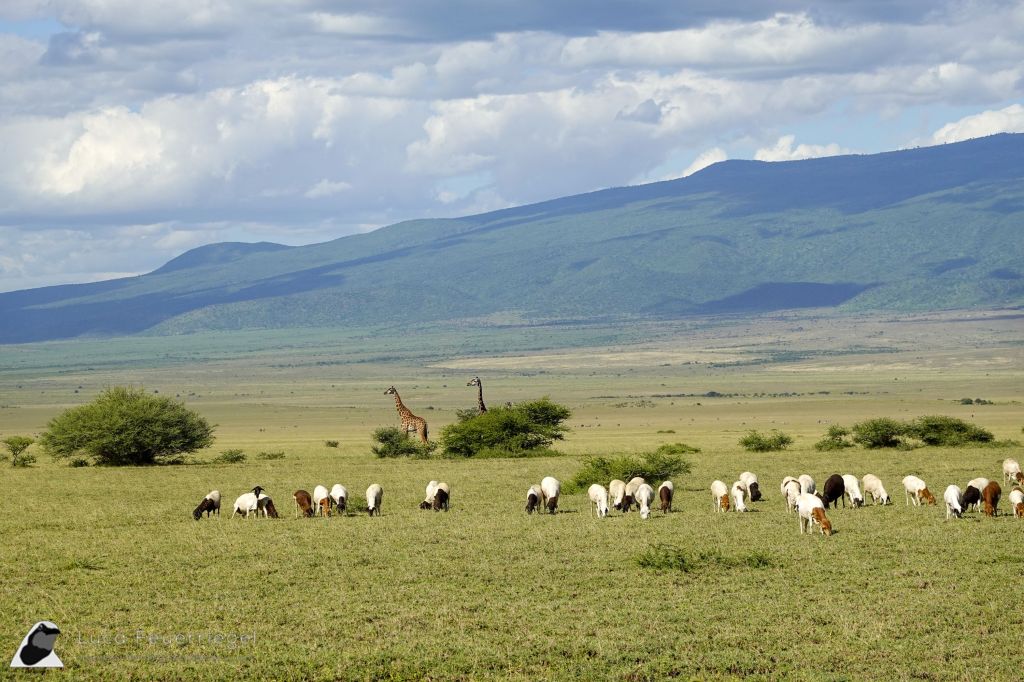
Our standard morning routine of eating oats and packing up our equipment was a quick affair, and we were soon back on the saddle. The day produced a good deal of wildlife, with sightings of wildebeest, giraffes, Thomson’s and Grant’s gazelles, and zebras keeping us entertained. It was amazing to see these animals from the bike, outside of a national park. The birds also made sure not to disappoint, and I saw a whopping 13 lifers. Common Ostrich, Yellow-necked Spurfowl, Dusky Turtle-Dove, Pied Cuckoo, Crimson-rumped Waxbill, Speckle-fronted Weaver, African Red-rumped Swallow, Blue-naped Mousebird, Gorgeous Sunbird, Chestnut Sparrow, Grey-capped Social-Weaver, White-throated Bee-eater, Steel-blue Whydah, Hildebrandt’s Starling, Fawn-coloured Lark, and Yellow-spotted Bush-Sparrow were the most entertaining species. This birding bonanza came to an end all too soon and as we passed some Maasai bomas in the evening near Kwadalasundi, we decided to ask if we could pitch our tent in the area. We ended up sleeping in the boma with the mwenyekiti’s hut. Unfortunately, our experience was soured slightly as we realised that they agreed to host us mainly to get US$200 for sleeping there. We negotiated and did not pay much at all in the end, but it was unfortunate to realise that they expected us to pay such a large amount. This was the only time this happened – we always gave our hosts a small amount of money the next morning as a thank you, but they never asked. I am not complaining, I would probably do the same if I see comparatively wealthy Europeans passing through. We still had a good time, especially when playing hide-and-seek with the kids in the evening.

15.05.
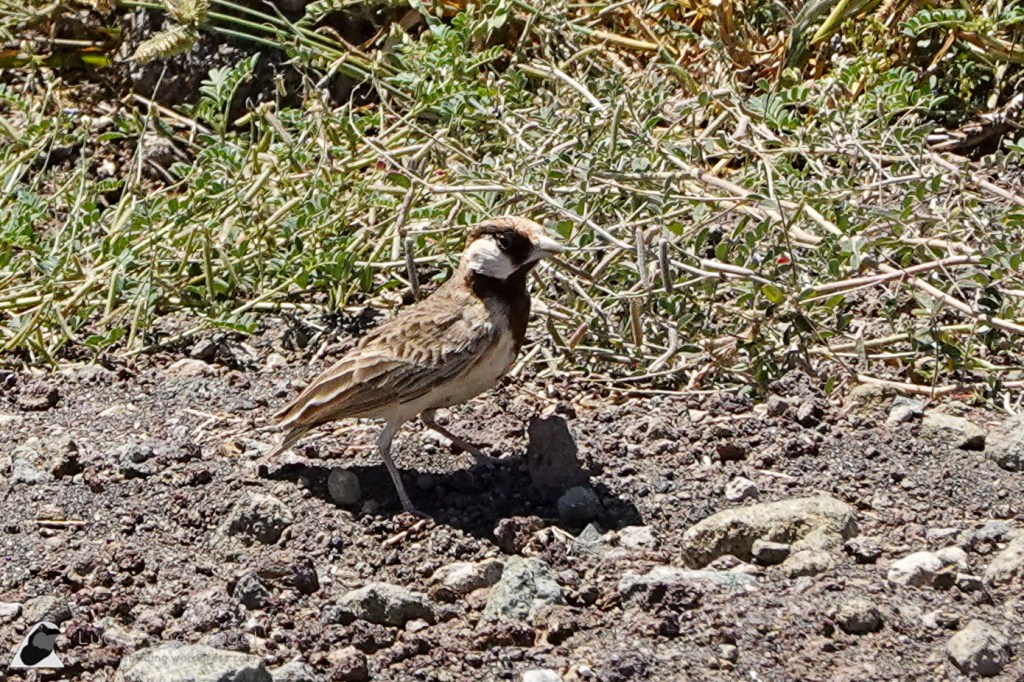
We left the boma as the sun rose, the entire landscape being swallowed in a golden morning light. It was very enjoyable to cycle past the scenic undulating hills with the fresh air in our faces, and some of the same mammals as the previous day made an appearance. Birds were also out and about again, with Black-throated Barbet, Red-chested Cuckoo, African Grey Flycatcher, Northern Red-billed Hornbill, Taita Fiscal, Purple Roller, and Black-fronted Sandgrouse putting in an appearance as the shadows became starker and the sun hotter, a concern as we were both running out of water. We reached the T-junction leading to Lake Natron to the right and Mto-wa-Mbu to the left. Leaving our bikes by the road, a short climb onto a small hill at this point allowed us to at least see the lake shimmering in the distance. Such was the force of the wind that we also entertained ourselves by rolling uphill without touching our pedals. After some elation we faced the fact that we were rolling the opposite direction to where we want to go, so we braced for some fierce headwinds and battled southwards towards Engaruka. Fischer’s Sparrow-Larks and some giraffes made for interesting sightings. We did not make it to the village and by now were seriously low on water. We obtained one bottle from a passing car which was enough to cook rice and dhal. By the time we decided to call it a day, we had run out again. A waterhole came to the rescue and after boiling and filtering, the initially dark green water tasted like tea but was perfectly drinkable.
16.05.
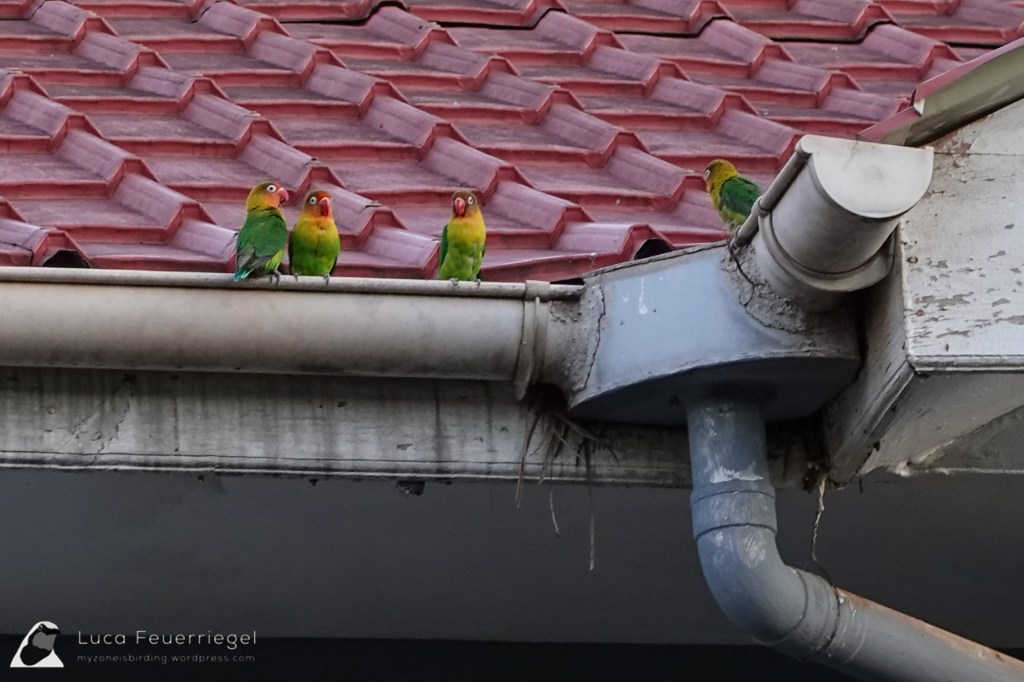
Some birding around our camp the next morning revealed Kori Bustards, Wattled Starling, and Cut-throat Finch. The edges of the waterhole attracted Kittlitz’s Plover, Three-banded Plover, Black-winged Stilt and large numbers of Chestnut-bellied Sandgrouse. Continuing to Engaruka, we passed a large herd of zebras, White-throated Bee-eater, and Secretarybird. After buying several bottles of water at a mechanic – this tiny hamlet seems to live off a small garage fixing vehicles on the way to Lake Natron – we took a matatu to Mto wa Mbu from here. Sami’s knee was hurting, prevented him from continuing by bike. Mto wa Mbu produced Fischer’s Lovebird and Golden-backed Weaver as we looked for a place to stay. Prices were much steeper here than what we were used from non-touristy areas. We settled on Ava’s Backpackers (70k for both), where we were the only guests and had a good time.

17.05.
Our plans to visit my ranger friend in the Serengeti had been looking increasingly bleak, but we still continued to Karatu by matatu in the hope of finding a way to enter the park. We decided to wait out the drizzle at Violet Café while coming up with a way to spend the next few days. Here, we met Maretha, a trainer of chefs in lodges around Tanzania, who seemed to know pretty much everybody in the Tanzanian hospitality sector. She was a fan of our trip and pulled all possible strings to support us in entering the Serengeti or Ngorongoro, unfortunately to no avail. However, in parallel she arranged for us to stay at Bayamo Garden Suites on the edge of the town. Maretha was one of the most special people we met on the tour, and it would have been interesting to learn more about her perspectives about work, life, and people in the area. Green-headed Sunbird and Bronze Sunbird distracted me here.
18. & 19.05.
We abandoned the plans to enter one of the national parks and instead returned to Arusha by matatu. This was rather frustrating as we would’ve preferred to spend two nights in the bush rather than in towns built on safari tourism. Back in Arusha, we had to cycle quite a bit out of town but for a good reason, as Maretha had also arranged accommodation for us, at Mtoni River Lodge. An interesting chat with the Dutch owner about running a lodge in the country was the highlight at this luxurious accommodation. The following day, we crossed the Namanga border into Kenya, which I will cover in my next post.
I cannot say if my high expectations fo Tanzania were met, simply because reflecting on them after I had visited the country, I realise that they were very vague and therefore cannot be compared to the actual experiences I had. Regardless, obtaining an insight into the life and perspectives of so many people was hugely interesting, and I greatly enjoyed seeing so many birds that I previously only knew from my dad’s old Birds of East Africa guide. Exploring parts of the country with Sami made the time even more memorable and helped me enjoy things even when they were exhausting.
 My Zone Is Birding
Wow, what an amazing experience and incredible adventure my friend. I am blown away with your bravery and resilience. A great variety of birds seen also.
LikeLike
Thank you so much!
LikeLiked by 1 person