
Having visited Texel twice before in autumn (read about my last visit here), I was eager to pay this special island a third visit. The previous visits allowed me only very limited time and thus resulted in a slightly rushed birding experience as getting around the island takes a while (it’s bigger than you might expect). Therefore, I wanted explore Texel at a more relaxed pace this time by spending more time on the island. I stayed three full days this time – a good decision as I had a number of excellent bird sightings and also enjoyed the atmosphere of large numbers of migratory birds.
I stayed at the Stayokay Hostel. Compared to other accommodations on the island, the hostel was good value for money and included a buffet breakfast. Usually on birding trips the latter is not something I can take advantage of since I often get out early in the morning. With the sun rising quite late at this time of year however, I was glad to be able to have a quick breakfast before heading out.
23.10.
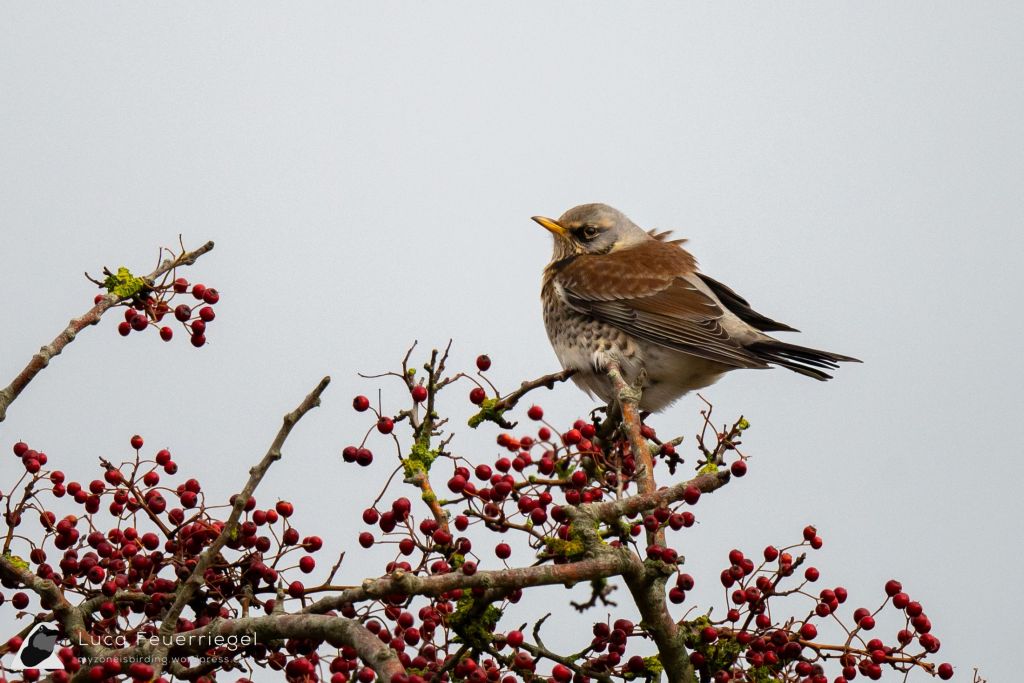
I arrived at the hostel in the early afternoon. The discovery of a Pallas’s Leaf-Warbler earlier that day made me just drop off my backpack and take a Texelhopper to a farmouse south of De Cocksdorp. A row of trees surrounding the farmhouse was heavily laden with Fieldfares and Redwings, and other birds included Song Thrush, Eurasian Blackbird, European Robin, Common Chaffinch, Blue and Great Tits, Eurasian Siskin, Dunnock, Eurasian Wren, Great Spotted Woodpecker, and Stock Dove, while a Common Kingfisher shot out of the reeds. Eurasian Spoonbill, Great Egret, European Golden-Plover, Eurasian Curlew, Common Snipe, Eurasian Skylark, and Meadow and Rock Pipits flew overhead. My main quarry did not cooperate, however.
I decided to take a look at the coast, where Eurasian Teal, Northern Shoveler, Eurasian Widgeon, Northern Pintail, Common Shelduck, Brent Goose along with Common Redshank, Ruddy Turnstone, Dunlin, and Sanderling. From the dyke, a scan over the fields also revealed Greylag, Greater White-fronted, Egyptian, and Barnacle Geese, Common Pheasant, and Northern Lapwing.
When I returned to the spot, another birder was busy looking for the warbler, so I spent another half hour looking for the bird. After being unsuccessful and the other birder left, I decided to return to the hostel. As I walked past the row of reeds and trees however, a small bird caught my attention. It was the Pallas’s Leaf-Warbler, actively flitting around in the reeds! I got decent views of this bird, but failed to photograph it since the viewfinder of the cold camera fogged up immediately as I put it to my face. Instead of a long wait for the Texelhopper van, I was given a lift by a friendly local heading to Den Burg, perfectly rounding off the evening.
24.10.
I took the Texelhopper after a quick breakfast and headed to the lighthouse at the northern tip of the island. I made my way southward through the dunes, encountering Goldcrest and Firecrest at De Tuintjes area (Google Maps location) in addition to the thrushes seen the evening before. I was delighted by the high numbers of migrating thrushes – mainly groups of 10-20 but occasionally more than 100 passing over at regular intervals. My main hope was to find Ring Ouzel, a species that has been on my wish list for a while and which appears to most regularly be seen here. At the reedbed in the Eierlandse Duinen, I was happy to hear the pinging calls of Bearded Reedlings, followed by some brief views. I’ve been unsuccessful at seeing this species for ages (including at the Oostvaardersplassen), so this was bound to be a contender for bird of the trip. I kept walking south and apart from a Eurasian Stonechat and Northern Wheatear, did not see much by the time I reached De Slufter. Most of the waterbirds seen the previous evening were present here, as well as Bar-tailed Godwit and Grey Plover. Brambling, Eurasian Jay, and Black Redstart were the only new birds for the trip on the way to my next stop, De Muy. I have never been to this area on my previous visits to Texel and was therefore eager to check it out, and it seems like a good area in terms of habitat but I did not see anything, probably owing to the incessant drizzle. Bohemian Waxwings were seen here earlier but I was not lucky.
Arriving in De Koog in the afternoon, I decided to warm up in a café. Happy to relax with some poffertjes and hot chocolate, I checked Waarneming (the Dutch observation-sharing site) and was stunned to read that Bohemian Waxwings had been seen 20 minutes earlier, 2 minutes walk from the café. I paid hastily and after a short search, I found them perched right in front of me, surprisingly inconspicuous in the low light. Another long-awaited lifer, and what pretty birds these are!

25.10.
Like the previous day, I took the Texelhopper but this time heading south. My main hope was to find the female Long-tailed Duck that had been seen by others the previous day, as well as to investigate the De Hors which appears to be very good for various migrants. There were plenty waterbirds in De Mokbaai including all of those seen before, and Common Goldeneye, Pied Avocet, Red Knot, Eurasian Spoonbill, Black-necked Grebe, Common Merganser, and Razorbill, while Bearded Reedling was hiding in the reeds, and Hen Harrier was flying low above. No Long-tailed Duck, however.
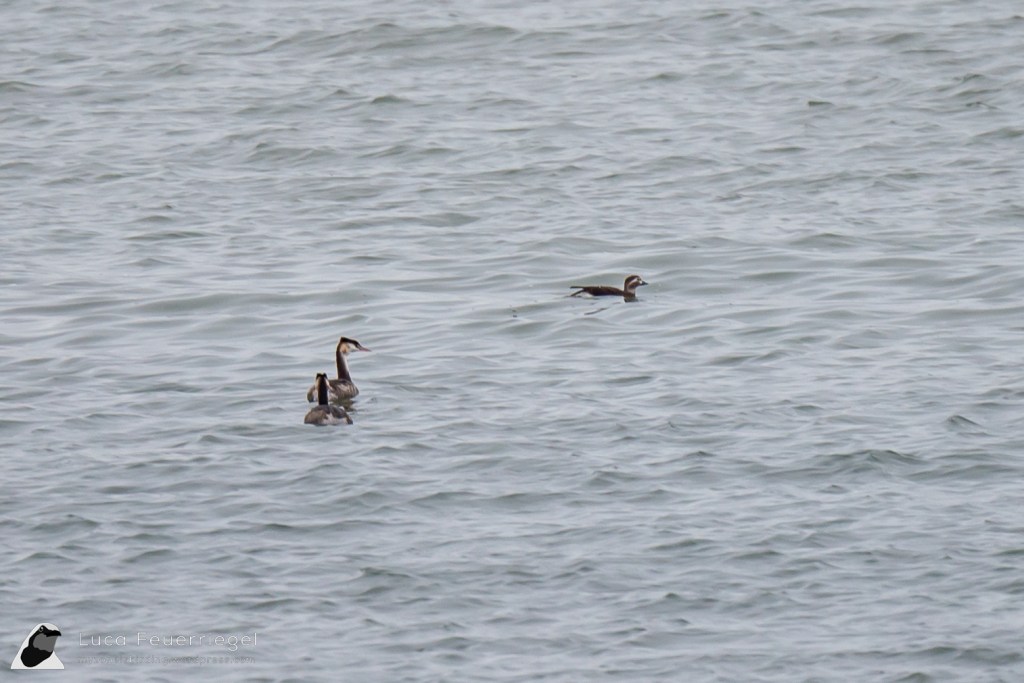
I walked around the eastern of the two waterbodies to the south and back to De Mockbaai, adding Common Pochard, a flushed Eurasian Woodcock, Common Greenshank, Northern Goshawk, Eurasian Goldfinch, Eurasian Greenfinch, and Eurasian Blackcap to the trip list. Continuing towards the Bunker Den Hoorn (location) without any interesting sightings, I saw that the Long-tailed Duck had been seen in De Mokbaai again. Thus, I walked a loop back via the Loodmansduin campsite and only realized upon arrival at De Mockbaai that it’s permitted to walk further than the parking spot and towards the military base. From here, I eventually found the distant Long-tailed Duck amongst Great Crested Grebes.
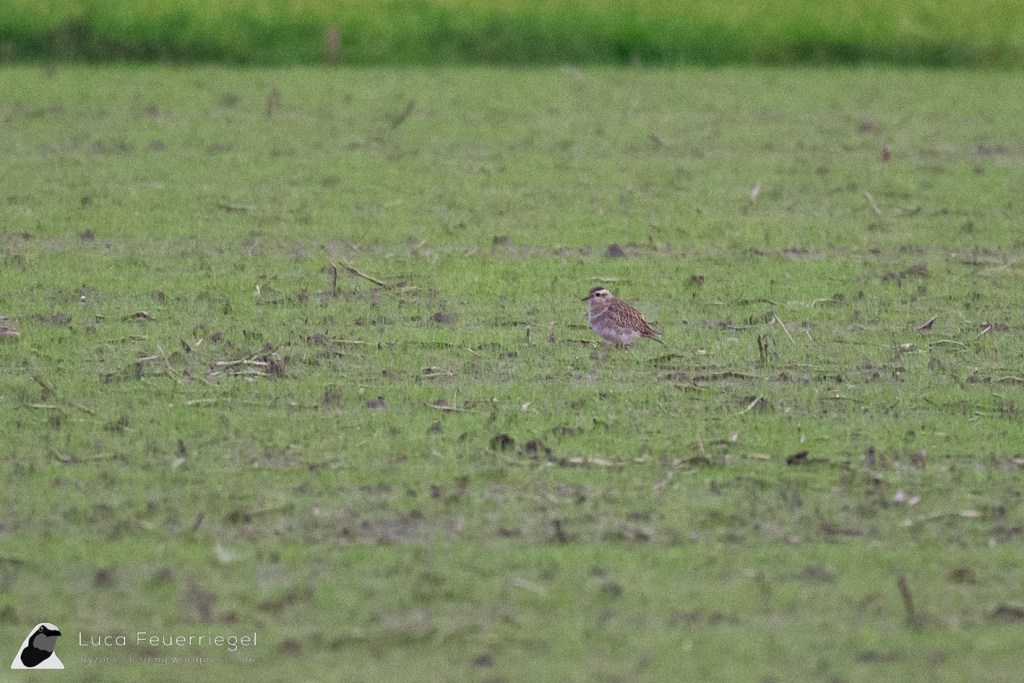
I decided to explore a farmland area north of Den Burg (here) afterwards. A Red-necked Phalarope was seen in this area a week earlier. I did not expect it to still be there but was curious to explore a more central part of the island. The usual waterfowl were around, and I added a Green Sandpiper and Spotted Redshank to the trip list – the latter feeding alongside its Common cousin, making for a nice comparison. I explored the area a bit more and then walked towards de Koog and decided to scan through a resting flock of European Golden-Plovers on the way. I was extremely happy when literally the last bird of the flock turned out to be a Eurasian Dotterel. Another lifer, and a bird I had wanted to see for years as well!
26.10.
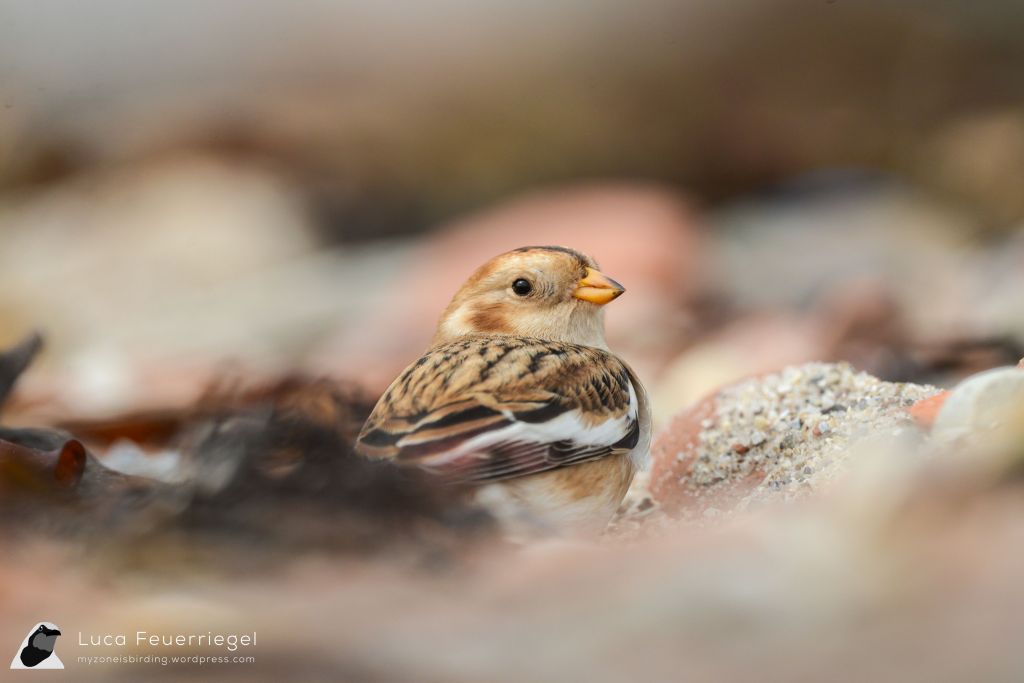
Intense fog in the morning meant that I could barely see further than 10m when I arrived at the lighthouse. However, the sun broke through occasionally and I had some Meadow Pipits and Snow Buntings on the beach. I hoped for Horned Lark and particularly Lapland Longspur, but was not lucky. Some tame Goldcrests and a Hen Harrier were nice distractions, but not much was seen. I did enjoy spending some time with the Goldcrests though as I always find them extremely cute, and as a large group was feeding around me, I attempted to photograph them.
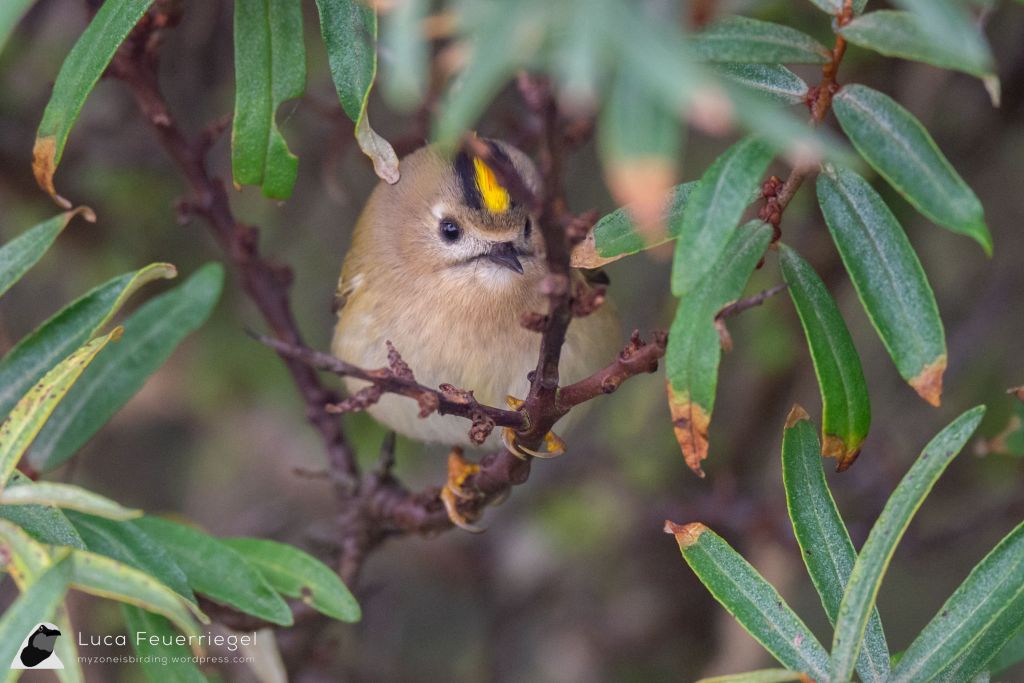
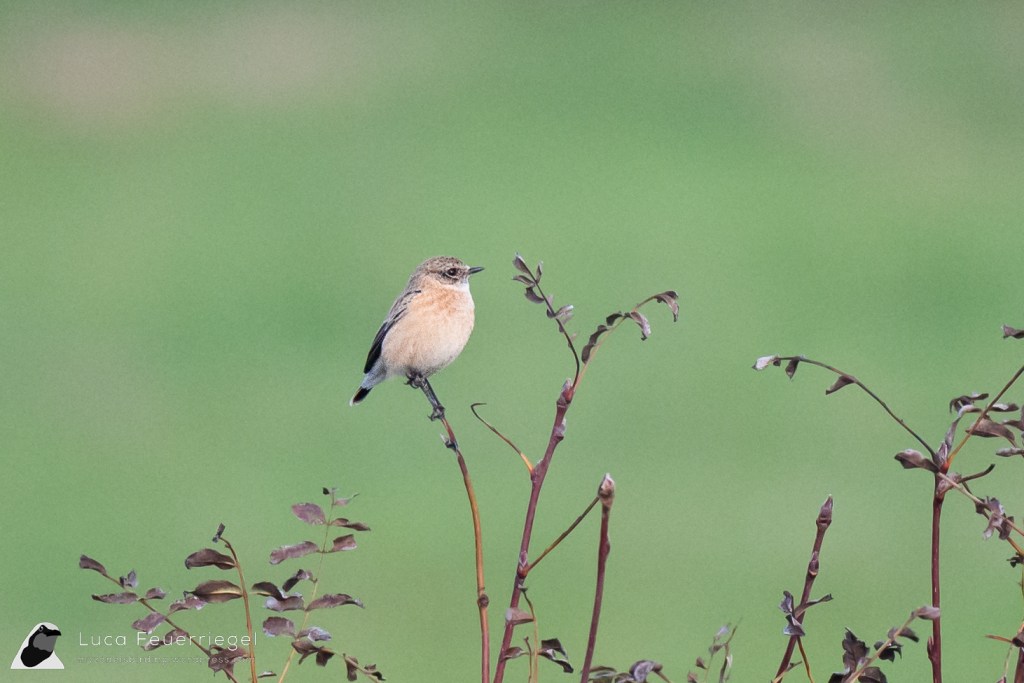
I walked to Paal 28 and hoped for Black-throated Diver, but only had some Common Guillemots. I then crossed the island and arrived in De Cocksdorp, were Eurasian Collared Doves were common. Scanning through the waterfowl and waders from the pier here was enjoyable and this place held many birds just as on my last visit. Black-tailed and Bar-tailed Godwits were feeding next to the usual waterbirds. As I did not find anything exciting, I walked north towards the lighthouse as a Siberian Stonechat was found the previous day and relocated there earlier that day. I arrived at the site when the afternoon sun broke through briefly and had very nice views of this bird. Eastern Stonechat (including both Amur and Siberian) can sometimes be impossible to pin down but fortunately this very light individual could be safely identified as a Siberian Stonechat.
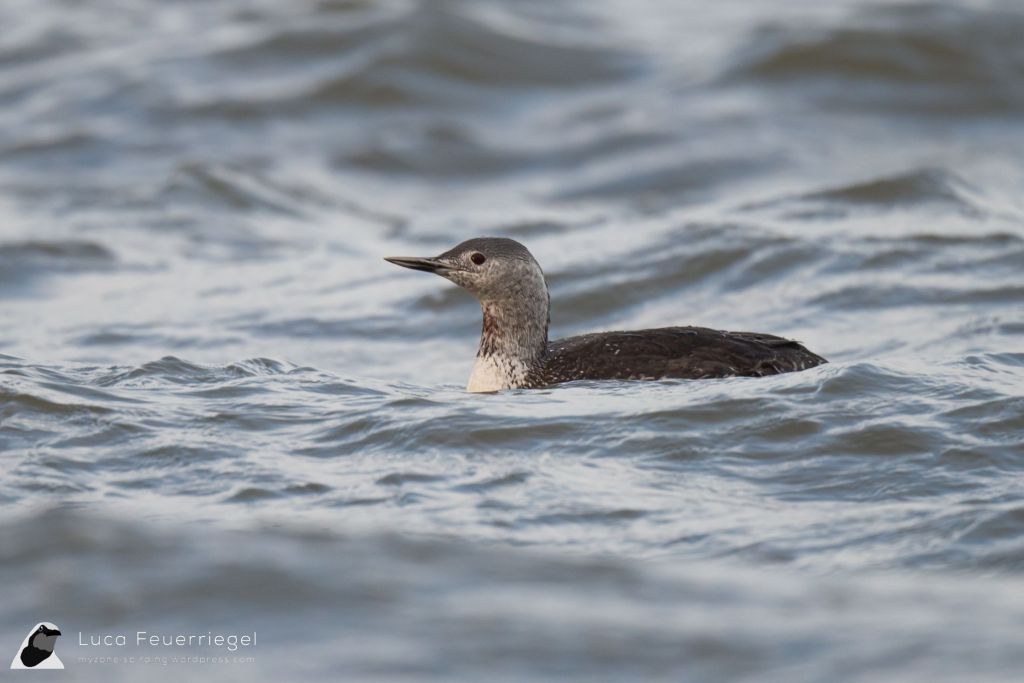
Happy with this sighting, I booked a Texelhopper and watched some Red-throated Divers from the beach at the lighthouse while waiting. I dreamt of finding a Black-throated Diver, which would be a lifer, as this species was seen by other birders along the west coast of the island over the past few days. I briefly saw a more distant diver that appeared larger and had a pale flank patch, but could not get it in the scope again to be sure.
27.10.
On my final morning, I initially decided not to fit in any birding, instead opting for a more relaxed breakfast. Arriving at the ferry however, I could not resist throwing in a brief seawatching session and taking a later ferry. My motivation for this was Red-breasted Merganser, which I had probably seen together with the Long-tailed Duck but couldn’t be sure due to the distance. Razorbill and Guillemot, in addition to several gull species, were the only birds around though.
This short trip turned out much more productive than I had anticipated. Migration was still in full swing, and most of the special birds are species that I had wanted to see for a long time, or ones that had become particularly appealing after not having seen them during my recent month of volunteering on Heligoland (which I posted here and here). Birding on Texel at a more relaxing pace was also fun and I was happy to have explored more areas of this island than before.
 My Zone Is Birding
One thought on “The Island of Texel, 23. – 27.10.2023”