
The Wadden Sea island of Texel is considered a premier, if not the best, birding spot in the Netherlands. Because of its position along a major migration route, over 400 bird species have been recorded. This makes the island extremely popular amongst birders. Things are not always as ideal as they sound – while birders are an obvious feature on Texel, birds are not always as cooperative. A day-trip to the island in October 2020 produced some good sightings, but birding was very slow (somehow I didn’t end up writing a blog post about that visit). It was thus only a matter of time before I decided to give it another shot. An ideal opportunity presented itself when I stopped in Amsterdam for a few days to visit my friend Rashmi before heading to London for my semester abroad. We decided to stay a night on the island in order to have enough time to explore the different areas.
We left in the afternoon after Rashmi had finished a university class, taking the train to Den Helder. The ferry crossing to Texel was uneventful, with only some Sandwich Terns and Herring and Black-headed Gulls cruising around in the wind. We then took the Bus to den Burg, and from there booked a Texelhopper to take us to Oudeschild. The Texelhopper service, a network of vans that have stops all over the island (map), is very helpful to take you around the island if you don’t have a car, but the stops are not always very clearly marked and it sometimes takes over an hour for the van to arrive. A Texelhopper took us to stop number 82 in Oudeschild, where we arrived in the dark. Our plan was to stay the night at the Dijkmanshuizen bird hide, as accommodation on the island was way beyond our budget. When it started to rain as we trudged along the road towards the hide and the drivers of the few passing cars glanced at us with expressions of amusement and confusion, we started to doubt this plan. The hide was weatherproof and dry however, and despite concerns about being seen by people in the farmhouse across the field, we slept well.
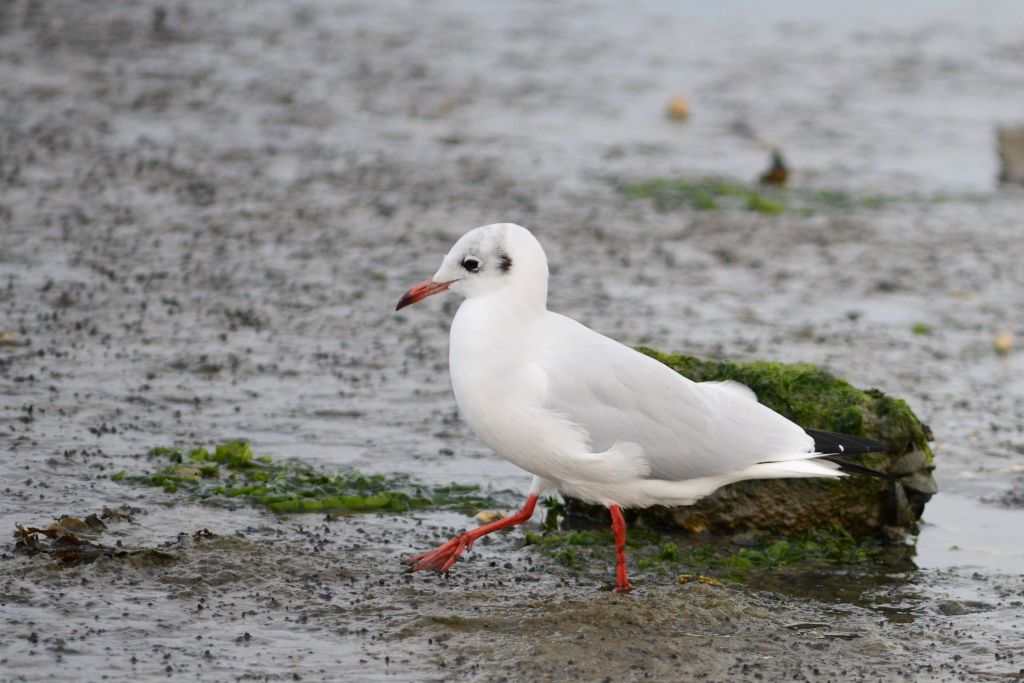
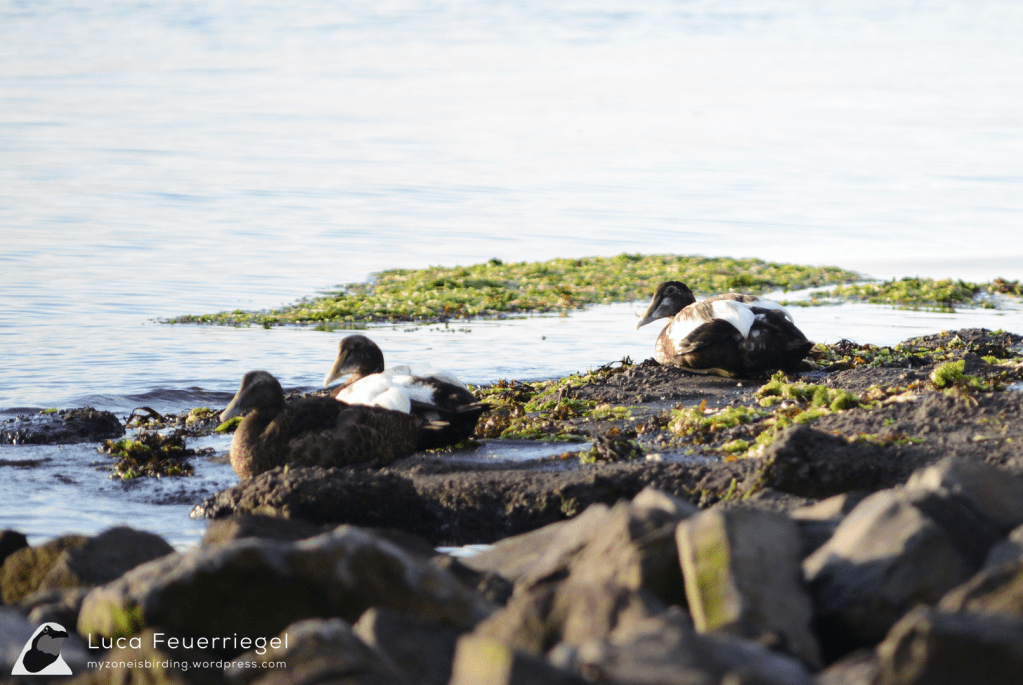
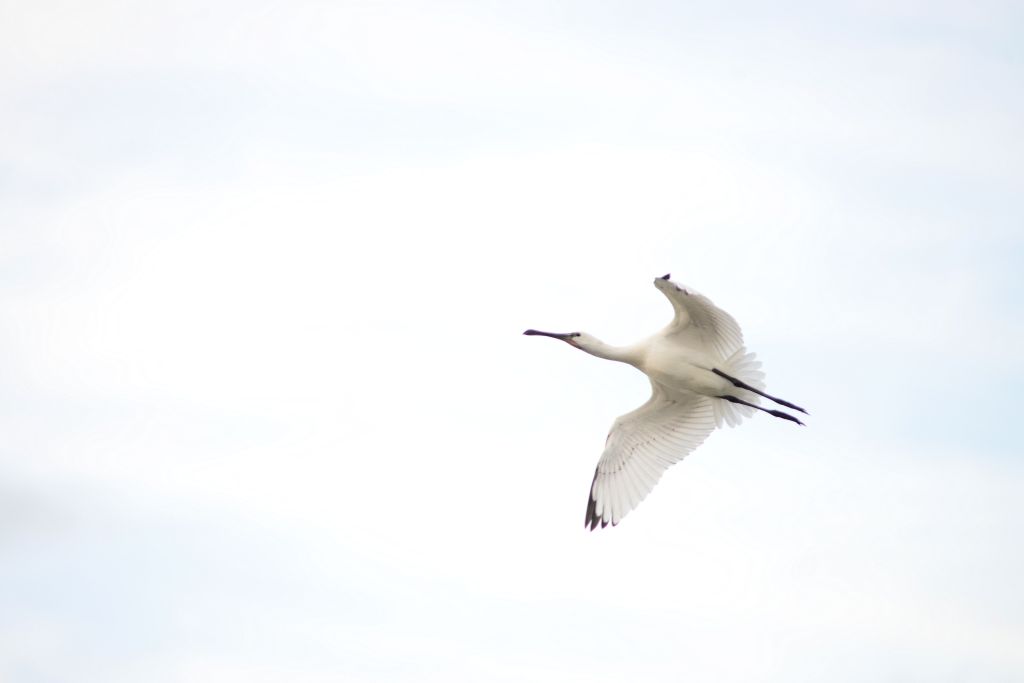
While packing up our sleeping bags and eating a small breakfast, Egyptian Goose, European Curlew, Tufted Duck and Eurasian Coot were visible from the hide. We then walked northwards along the dyke by the sea, from where we saw Yellow Wagtail, Meadow Pipit, Common Eider, Northern Wheatear, European Golden Plover, Northern Lapwing, Common Snipe, European Oystercatcher, Black-winged Stilt, Sandwich Tern, Eurasian Spoonbill, European Shag and Great Cormorant. I was hoping for a Long-tailed Duck here, but to no avail.
The farmland area produced Stock Doves, European Collared Dove, a Green Sandpiper, European Goldfinch, Great Spotted Woodpecker, Common Pheasant, Great White Egret, and Grey Heron, among other common countryside birds. During a short coffee break in Oosterend we watched Barn Swallows and Common House-Martins catch some last insects before their southwards migration. From Oosterend we took the Texelhopper to the Eierlandse Duinen (stop 107), from where we walked north to the lighthouse at the northern tip of the island. Northern Wheatears, European Stonechats were present in the dunes together with Common Reed Bunting, while large groups of Meadow Pipit passed overhead. This area was less active than I had hoped for – my last visit produced several snipes including a probable Jack Snipe along the muddy verges of the small wetlands in this area. They were all dry during this visit.
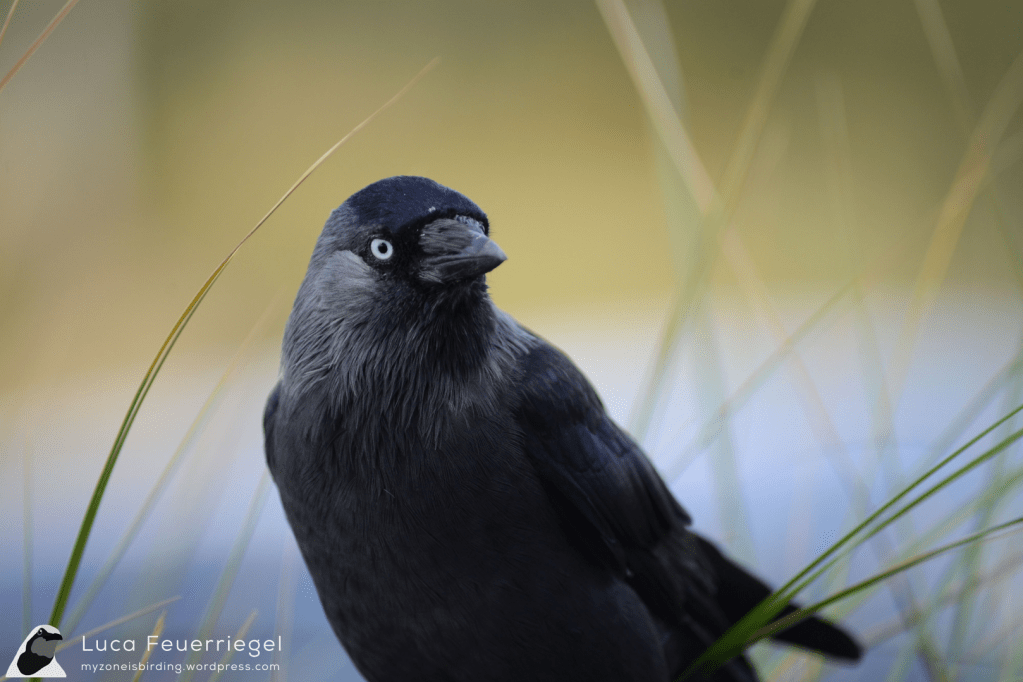
We enjoyed some fish and chips in the company of Eurasian Jackdaws at the restaurant next to the lighthouse at the northern tip of the island, and then walked to De Cocksdorp. We had an hour before our Texelhopper would arrive here, so we went back to the coast where a small pier provided excellent viewing conditions of the exposed mudflats. We got excellent comparisons between Black-tailed and Bar-tailed Godwits, studied a non-breeding Common Ringed-Plover through the scope, and had good views of Common Greenshank, Red Knot, Little Stint, Common Redshank, Eurasian Spoonbill, and very attractive Northern Pintails. We could have spent more time at this enjoyable spot but instead tried to take the Texelhopper to a spot close to Den Hoorn where a Pectoral Sandpiper had been seen. This would have been a lifer for me, but we arrived too late to get to the spot. All we managed was a short stroll around the Loodsmanduin campsite before catching the last van back to the ferry.
It was great to be out and explore Texel a second time, and share the quaint scenery and birds with Rashmi. While Texel is not big, a longer stay is definitely preferable. Having been there twice now, I would enjoy a visit of two full days to explore the island properly. Upon the return to Amsterdam we spent two days in the city. This was very enjoyable as Rashmi showed me some spots that she regularly visits with her friends. We also spent some time with her housemates, who are all very fun and welcoming. On September 16, I caught the Eurostar train to London for my semester abroad. Before getting caught up in two things I was very excited about, exploring this amazing city and meeting new people, I spent three very productive days birding on the South coast of England, which I’ll cover in my next post.
 My Zone Is Birding
One thought on “The Island of Texel, 12. – 13.09.2022”