
This is my first blog post since I moved to Sri Lanka, and so far, I’ve had many memorable experiences, both cultural and bird wise. Despite having had lots to do after moving into our new home and settling in the new school, I already had many chances to see some of the country’s birds. One the day we arrived in the country, I saw 14 new bird species from my balcony. In the first five or so weeks I added approximately 100 species to my life list.
We are very fortunate to have many wetlands in close to our home in Battaramulla, and these have so far been the places I concentrated on. The park I’ll be covering in this blog is 20 minutes from our home with the bicycle, and was established not long ago. We visited the park twice that day.
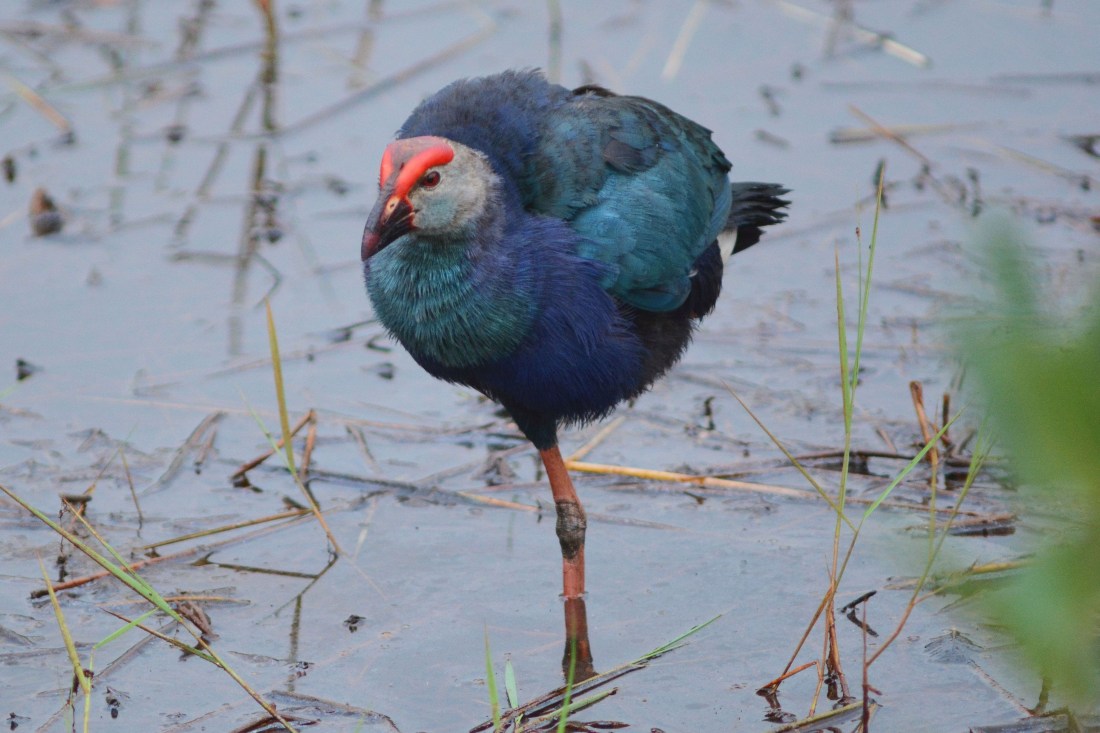
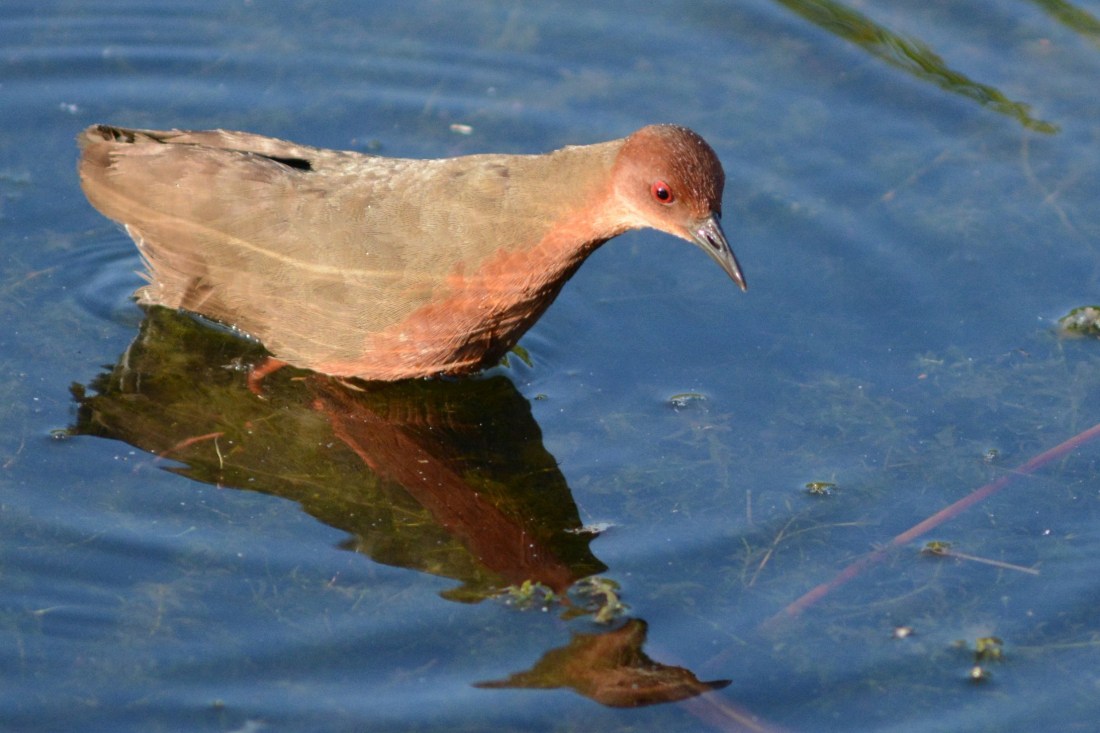
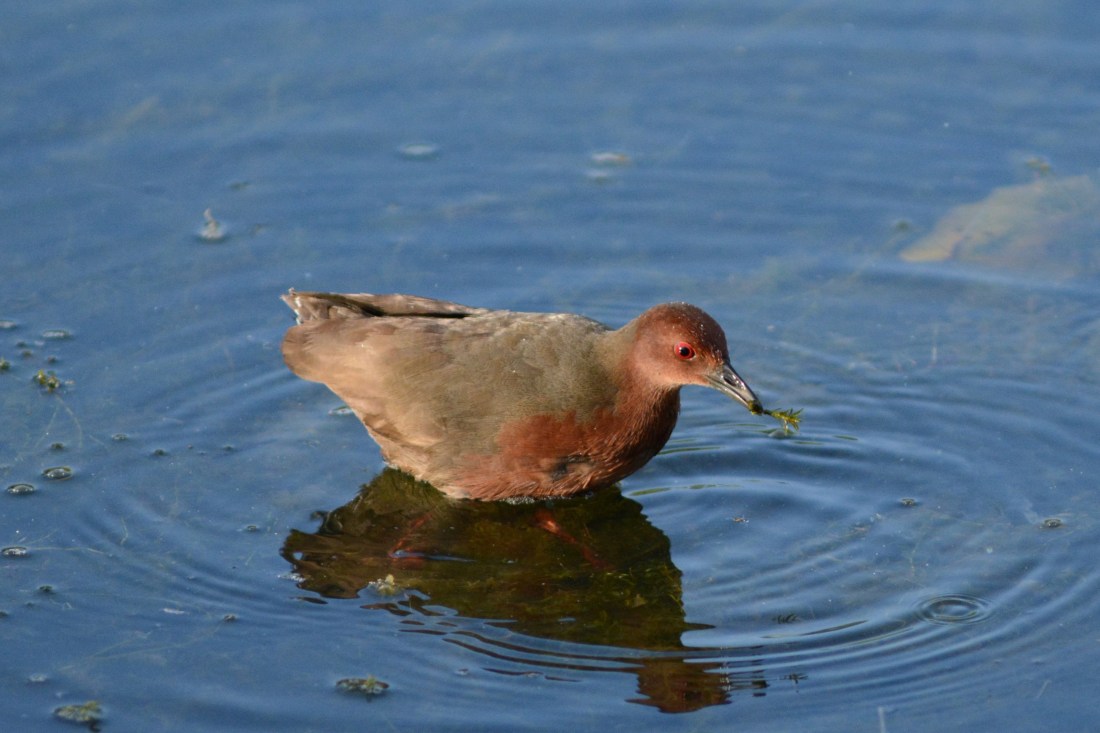
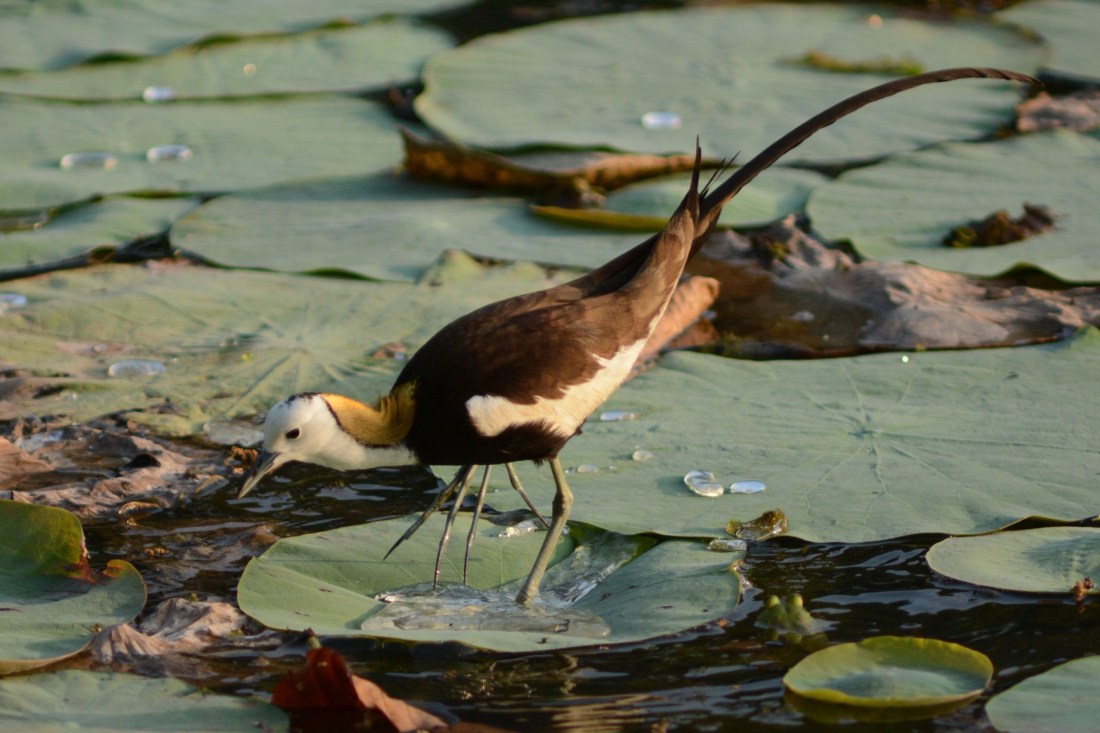
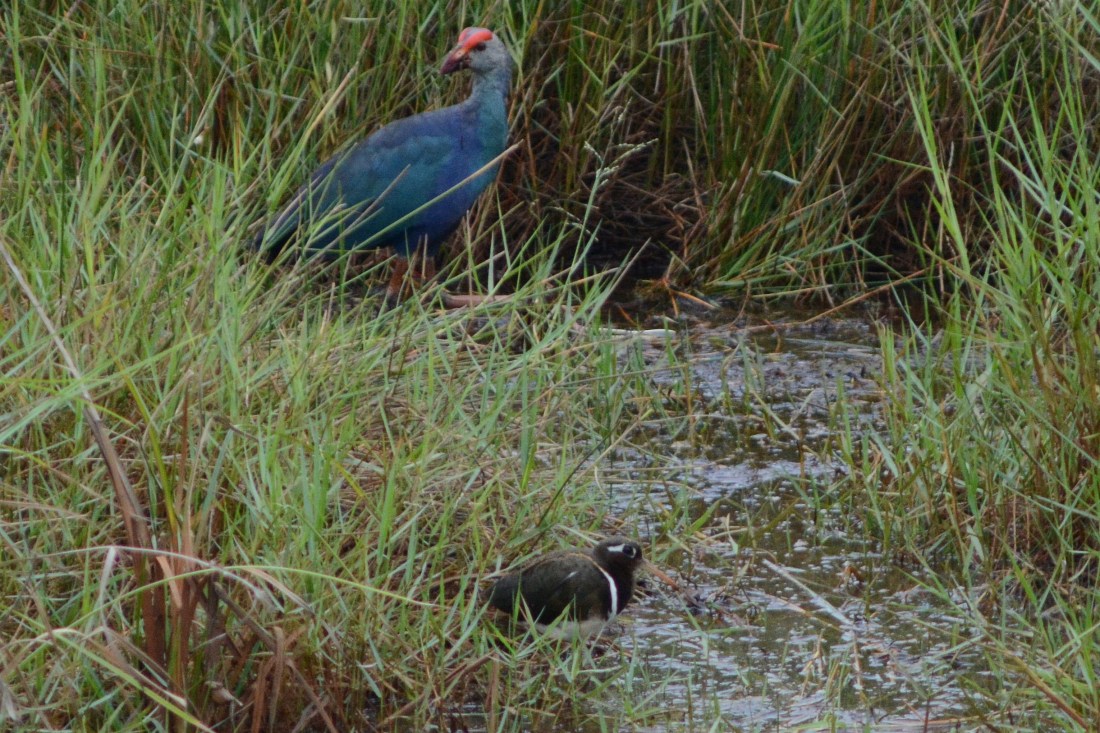
I arrived with my mother at 7:00 in the morning and we saw many common species, including Yellow-billed Babbler, Red-vented Bulbul, White-throated Kingfisher, Brown-headed Barbet, Black-hooded Oriole and Shikra in the tiny lightly wooded entrance area. Lesser Whistling-Duck, Asian Openbill, Grey-headed Swamphen, White-breasted Waterhen, Black-headed Ibis and Plain Prinia were conspicuous in the wetland area. Other birds were Common and Pied Kingfishers, Yellow Bittern, Purple Heron and Indian Pond-Heron, Darter and Indian Cormorant. When we crossed one of the wooden bridges that traverse a small area we saw a teacher from my school, who is also an avid birder. It turned out he was photographing a Ruddy-breasted Crake that hangs out in the area. We had some extended views of it as it fed in the open with some other people just a few metres away. What a great new bird! After some time with great views we continued on the path, heading to the lookout tower. From here we saw White-bellied Sea Eagle, Brahminy Kite, Asian Paradise-Flycatcher, stunning Pheasant-tailed Jacana and Loten’s and Purple-rumped Sunbirds and a few more. We cycled back home, very happy about the crake sighting, considering that rallids are mostly very shy and elusive birds.
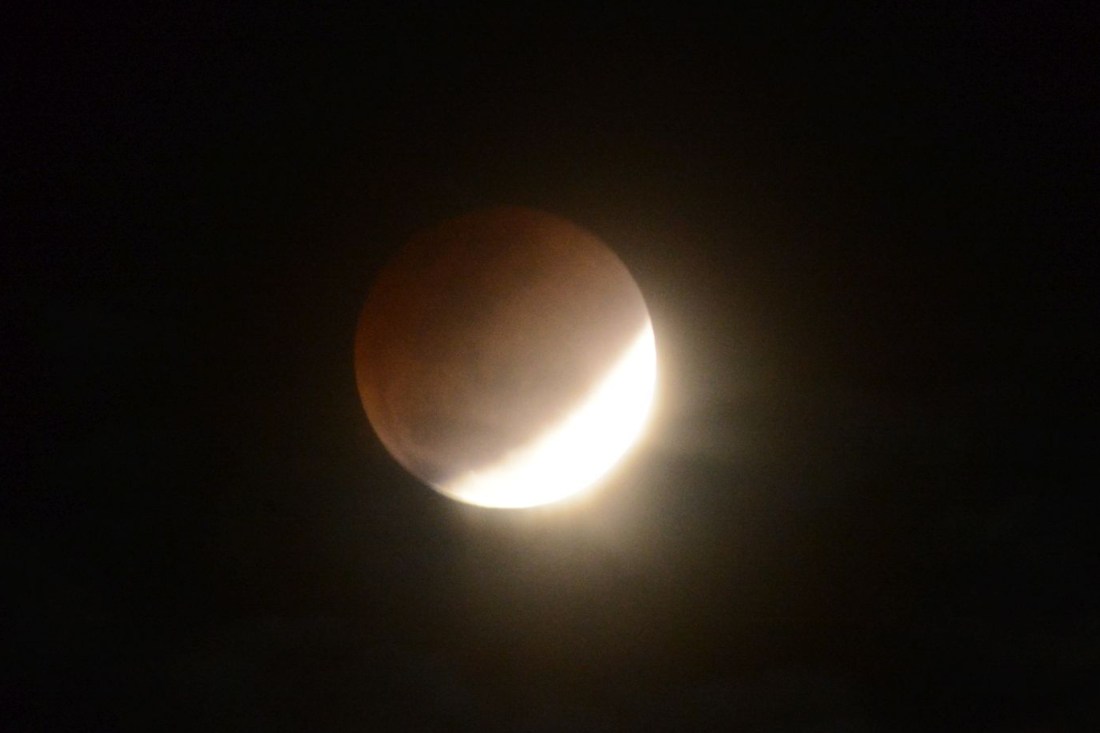
We returned in the early evening, in the hope of getting good views of the lunar eclipse, which also fell on a blue moon. The sky was cloudy, unfortunately, but the birding definitely made up to it. When we got home, the lunar eclipse started disappearing, but the sky was clearer and we still had some great views.
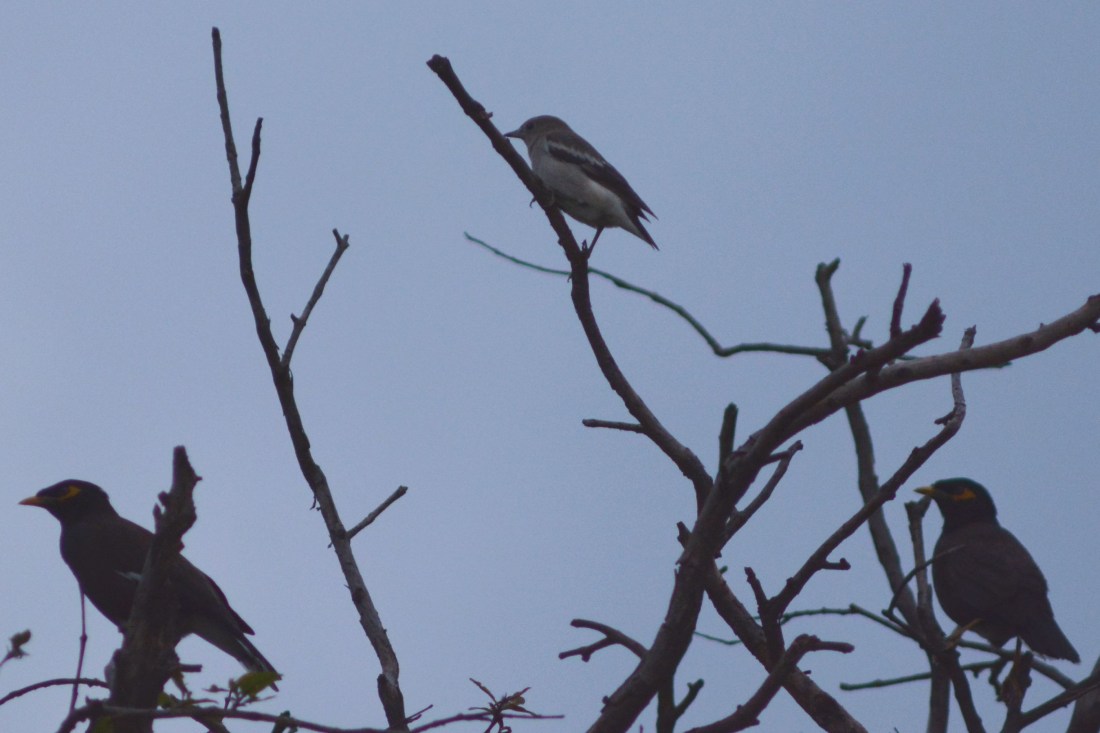
When we arrived, I spotted a small greyish bird in a dead tree. It looked like a large flycatcher with a conspicuous white wing-bar. I took some photos and went on, intending to check in my guide when I come home. I had the feeling that it was an unusual bird as I didn’t remember anything similar from the field guide. The birding thereafter was normal, with many common waterbirds present, Rose-ringed Parakeets, House Crow and Cattle Egrets flying to their roosting sites, and impressive Indian Flying Foxes emerging from theirs – a typical evening sky in our area. From the lookout tower, my mother spotted a female Greater Painted Snipe in a pond, a very special bird here, same as back in South Africa, where I only saw it once.
When we came home, I checked my field guide for the flycatcher-like bird, but couldn’t find anything. I spoke to the teacher two days later at school and he told me a female Daurian Starling, a rare vagrant for Sri Lanka, has been seen in the park. I checked for pictures on the internet, and the ID was confirmed!
This is a newly developed park, but the birding is excellent. What is also nice is that there is no entrance fee, so you can visit the park as often as you like. It was great that I arrived without knowing anything about the specials present there, and I ended up seeing both. A few days later I saw a Cinnamon Bittern in the park, another new bird for me.
 My Zone Is Birding